
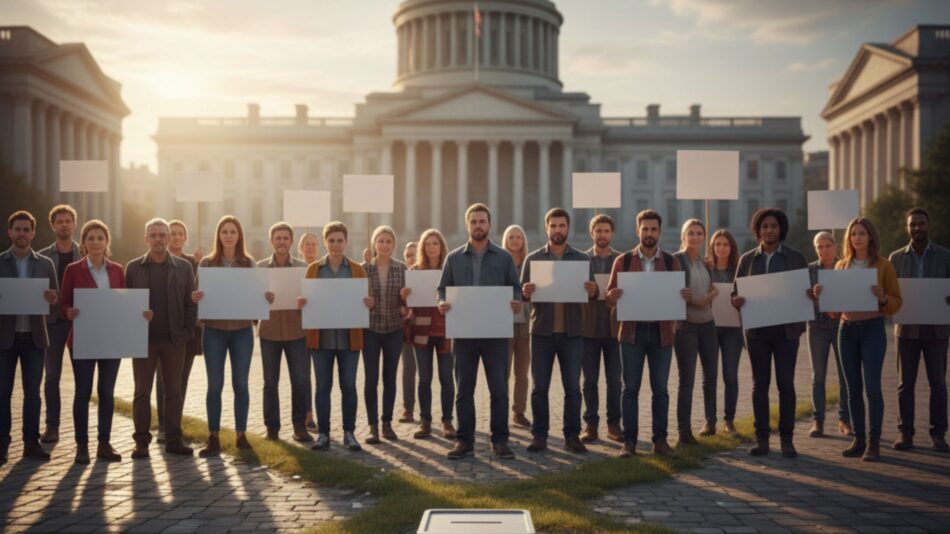
Across the world, citizens often feel they have limited choices during elections. The idea of a none of the above campaign has become a growing subject of discussion among reform advocates. People feel disappointed when political parties fail to provide leaders who inspire trust, honesty, and a real sense of representation. In the UK, groups like Veto Campaign have been raising awareness about the importance of having a clear choice to reject all candidates. This conversation is not about stopping democracy but about improving it. A campaign like this could give people more power over the political process.
Why voters feel a need for better choices?
For many citizens, elections no longer feel like a true choice. They see the same parties with similar promises, often without real change once the votes are counted. The none of the above campaign responds to this frustration by giving people a formal way to express disapproval. Instead of staying home, voters can make their voice clear that none of the candidates are good enough. Supporters of this idea believe it increases turnout because it allows engagement without forced loyalty. Critics may argue that this is a negative vote, but many people see it as an honest one.
How voter frustration influences turnout?
When voters believe their voice does not matter, many simply stop showing up. A none of the above option could bring them back. By adding this choice to the ballot, elections may see increased participation. Rather than choosing the lesser evil, people can make a statement. Over time, this can push political parties to present stronger candidates. The aim is not to reject democracy but to strengthen it by making it more responsive.
What the none of the above campaign means in practice?
The none of the above campaign seeks to introduce a legal ballot option that allows voters to reject all listed candidates. If this choice receives significant votes, it would signal public dissatisfaction. Veto Campaign explains that this does not end the election but highlights the need for reform. In countries like India, this option already exists, and it has given citizens a peaceful tool of protest. Implementing it in the UK would require careful planning, debate, and changes in law. Supporters argue that it could lead to healthier competition among political parties.
Examples from other nations
India introduced NOTA in 2013, and it has been used in both national and state elections. The United States has seen similar options in certain states, such as Nevada, where voters can select “None of These Candidates.” These examples show that the idea is not impossible but requires adjustments to fit each country’s system. By studying these cases, campaigners in the UK believe they can adapt the approach in a way that makes sense.
Could public trust improve with such a campaign?
Trust is at the heart of democracy. Many people lose faith when they feel they must settle for candidates they dislike. A none of the above campaign can act as a pressure point, encouraging parties to think more carefully about who they nominate. Veto Campaign has pointed out that political leaders need to be accountable, and offering a rejection choice may push them to listen more closely. Over time, voters may feel their opinions are valued. Trust does not rebuild overnight, but reforms like this can begin the process.
How parties may react to change
Political parties may not welcome this idea at first. They fear it could expose weaknesses and reduce their vote share. However, the presence of a none of the above option could motivate them to offer better candidates. Competition would no longer just be against other parties but against public rejection. This shift could raise standards in politics. Parties that respond positively may gain long-term respect, while those that ignore voter sentiment risk losing relevance.
Challenges facing a none of the above campaign
Every reform faces hurdles, and the none of the above campaign is no exception. Legal changes, public awareness, and political resistance are some of the biggest barriers. Some leaders argue that introducing this option may cause confusion or slow down elections. Others fear it could be used only for protest without leading to constructive results. Yet, supporters believe that giving voters a choice is always better than forcing them to choose the lesser evil. Veto Campaign continues to stress the importance of fairness and clear communication in building support.
Overcoming resistance through awareness
The first step in making this idea real is public education. Many voters may not fully understand what a none of the above campaign would mean. Campaigners must explain how it works and why it matters. Using community events, media outreach, and digital platforms, advocates can build momentum. Once people see that other nations have implemented similar reforms, they may feel more confident in supporting it. Awareness is the foundation of political change.
Would this campaign truly win public support?
The question of success depends on how the public reacts. People who feel ignored by politics are more likely to welcome the idea. Those who still trust traditional parties may see it as unnecessary. A none of the above campaign will only win if it can connect with the average citizen and show real benefits. Veto Campaign believes that framing it as an empowering choice, rather than a protest tool, is the key. Winning public support is not only about presenting the option but about proving its value.
Building long-term acceptance
Once introduced, the campaign would need time to gain recognition. At first, only a small percentage might use it. But with consistency and trust, it could grow. Over time, as more voters embrace it, political parties would be forced to adapt. This gradual shift could reshape the political environment. Change often takes years, but steady support can make it a permanent part of democracy.
Conclusion
Looking at the debate, one can see that the none of the above campaign holds real potential. It offers voters a peaceful way to show dissatisfaction and demand higher standards from politicians. By giving people a formal choice to reject unworthy candidates, democracy itself could grow stronger. Critics may see it as unnecessary, but supporters understand it as a tool of accountability. In the long run, reforms like this are less about protest and more about progress. it is clear that public trust in politics is fragile, and movements like Veto Campaign highlight the need for solutions. Whether or not such a campaign wins wide support, it sparks important discussions about the future of democracy in the UK.
Here, you can find more articles.


