
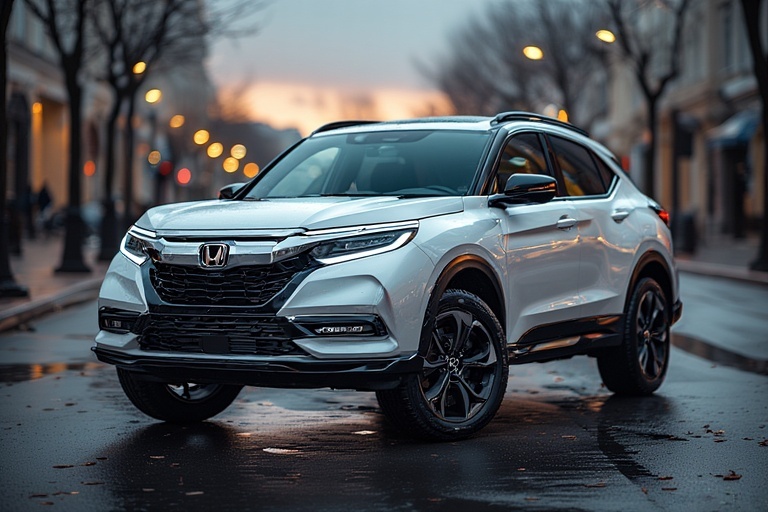
The popularity of second-hand cars from Japan isn’t a random trend; it’s a global phenomenon built on a strong reputation for quality, value, and reliability. Buyers worldwide, from private consumers to major dealerships, consistently look to the Japanese market for their used vehicle needs. The hype is entirely justified, stemming from Japan’s strict maintenance culture and a unique domestic economic system that pushes almost-new cars into the export market.
Why Japan’s Used Cars Are in High Demand?
The core reason Japanese used cars are so desirable comes down to a few key factors that create a superior supply compared to other global markets. If you’re specifically looking for a reliable ride, you’ll find an enormous selection of Honda used cars in Japan, alongside Toyota, Nissan, and Mazda, all known for their durability.
Unbeatable Reliability and Engineering
Japanese automakers (like Toyota, Honda, and Nissan) are globally famous for their engineering precision. These cars are simply built to last.
- Longevity: It’s common for Japanese engines to run smoothly for hundreds of thousands of kilometers with minimal major mechanical issues. This longevity gives buyers confidence that they are getting years of dependable service, even from a used model.
- Fuel Efficiency: Japan’s focus on fuel-efficient and hybrid technology means that many used export models offer better mileage than comparable cars sold locally in other countries, leading to significant long-term savings.
The ‘Shaken’ System and Low Mileage
The Japanese government has a stringent mandatory vehicle inspection system called Shaken. This inspection is required every two years and is very comprehensive and expensive, particularly for older cars.
- Frequent Turnover: The high cost of the Shaken encourages many Japanese car owners to sell their vehicles while they are still relatively new (often after only 3 to 5 years) rather than pay for the inspection.
- Low Mileage: Because Japan has an excellent public transport system, personal cars often aren’t used for long daily commutes. This means that many cars exported from Japan have surprisingly low mileage for their age, reducing wear and tear.
What Makes the Purchase Process Trusted?
One of the biggest concerns with buying any used car is knowing its true condition and history. The Japanese export system has processes in place to build buyer trust globally.
Transparent Auction Grading
Most used cars are sold through large Japanese auction houses, which follow a strict, standardized grading system.
- Detailed Reports: Professional inspectors assess the vehicle’s interior (Grade A, B, C), exterior (scratches, dents), and overall condition (Grade 4, 4.5, 5).
- Trust and Confidence: Buyers receive a detailed auction sheet report that includes the car’s actual mileage and any repair history (like ‘R’ for repair). This transparency makes it easier for international buyers to know exactly what they are paying for without physically inspecting the car.
Advanced Features for Less Money
Because of the rapid turnover rate, the used cars available for export are often newer models equipped with modern technology that might still be considered premium in other markets.
- High Specification: Buyers frequently find features like advanced safety mechanisms, reverse cameras, GPS navigation, and automatic climate control on used Japanese cars.
- Better Value: Even after factoring in shipping costs, duties, and taxes, a used car from Japan often offers a better package—better condition, lower mileage, and more features—than a similarly priced vehicle available in the local market.
Is It Right for You?
The hype surrounding second-hand Japanese cars is a result of a reliable product meeting a unique, competitive market structure. They offer a strong combination of quality, dependability, and value.
While the process of importing requires working with an agent and understanding local import rules, the end result for millions of buyers around the world is a well-maintained vehicle that provides peace of mind and excellent service for years to come.


