
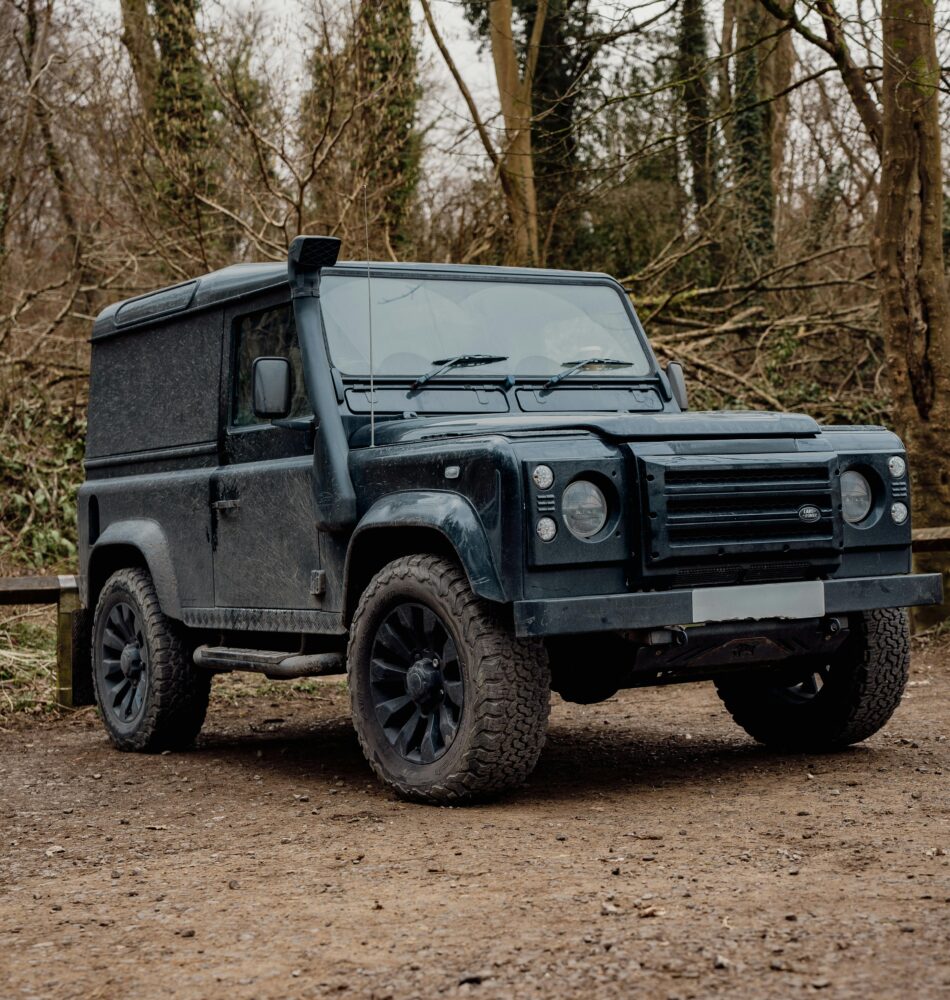
The Land Rover Defender 110 is one of the most iconic off-road vehicles ever built admired for its simplicity, strength, and unmistakable design. But buying a used Defender in the U.S. isn’t as simple as picking one from a classified listing. Between imports, restorations, and rebuilds, every Defender has a story and not all of them are good ones.
Here’s a clear, step-by-step guide on what to check before buying a used Land Rover Defender 110 in the U.S., so you can avoid costly surprises and end up with a truck worth every penny.
1. Verify Import Legality and VIN
The first and most critical step is confirming that the Defender is legally imported.
The U.S. has strict import laws under the 25-year rule only models that are at least 25 years old and retain their original drivetrain are exempt from EPA and DOT regulations.
Check that:
- The VIN matches across the title, chassis, and registration.
- The vehicle comes with U.S. Customs import paperwork (EPA 3520-1 and HS-7 forms).
- There are no signs of VIN tampering or re-stamping — a common red flag with illegally imported Defenders.
If the documents seem incomplete or inconsistent, walk away. Registering an illegal import in the U.S. can be nearly impossible.
2. Inspect the Chassis and Bulkhead for Rust
The Defender’s steel chassis is its backbone but it’s also its biggest weakness. Rust is the most common issue, especially in older imports from the U.K. or Europe.
Focus your inspection on:
- Rear crossmember
- Outriggers
- Suspension mounting points
- Bulkhead corners
- Door frames and footwells
Surface rust is manageable, but deep corrosion means costly repairs. A galvanized replacement chassis is a plus if installed by a reputable restorer.
For more insight on Defender rust problems and real solutions, Defenders-US shares detailed examples from their own restoration projects.
3. Evaluate Engine Health
Most imported 110s feature one of these engines:
- 200Tdi or 300Tdi diesel
- Older 2.5L NA diesel
- Occasionally, petrol V8s
Start the engine cold — it should fire quickly without heavy smoke.
Watch for:
-
Blue smoke: burning oil
-
White smoke: coolant or fuel timing issues
-
Knocking noises: internal wear
-
Oil leaks: common but should be minor
A compression test or professional inspection will reveal more about engine condition. A well-maintained diesel Defender can easily last over 200,000 miles.
4. Transmission and Drivetrain Condition
The R380 gearbox (found in most mid-90s Defenders) is sturdy but can show signs of age.
Check for:
- Smooth gear changes
- No grinding or whining noises
- Tight clutch pedal feel
Also, test the transfer box and differentials. If you hear clunks when shifting between drive and reverse, expect wear in the drivetrain.
A solid drivetrain ensures your Defender 110 can handle both highway miles and off-road adventures with confidence.
5. Electrical System and Lights
Older Defenders often have weak or corroded wiring. Test every electrical function:
- Headlights, indicators, and brake lights
- Wipers and heater fan
- Dash lights and gauges
Check under the dash and behind fuse panels for messy wiring this could mean previous electrical “repairs” done poorly.
Restorers like Defenders-US often replace full wiring looms during rebuilds, ensuring reliability and safety.
6. Suspension and Steering Check
A Defender 110 should feel firm, not loose or bouncy. During a test drive:
- Listen for clunks or squeaks over bumps (bad bushings or joints).
- Check for uneven tire wear (alignment issues).
- Ensure steering response is consistent excessive play suggests wear in the steering box or linkage.
Replacing suspension components isn’t overly expensive, but it’s a sign of how well the vehicle has been cared for.
7. Interior and Body Condition
Defenders aren’t known for luxury, but a clean, solid interior shows pride of ownership.
Inspect:
- Seat condition and mounting brackets
- Floorboards for water leaks or rust
- Roof lining and door seals
Don’t be alarmed by simple interiors practicality was always part of the Defender’s charm. However, signs of dampness, mold, or mismatched panels may indicate poor restoration work.
8. Documentation and Service Records
A good Defender always comes with a paper trail. Look for:
- Maintenance invoices
- Import and customs records
- Restoration receipts
- Ownership history
These documents prove authenticity and make resale much easier. Reputable builders like Defenders-US provide complete documentation with every project something you should always expect.
9. Test Drive: Feel Before You Buy
A short test drive can tell you more than hours of visual inspection.
Pay attention to:
- Engine response and noise
- Gear shifts and clutch engagement
- Brake feel
- Steering behavior on turns
The Defender shouldn’t feel fast but it should feel solid, predictable, and responsive. Listen carefully; rattles or vibrations could mean worn mounts or loose components.
10. Get a Specialist Inspection
Before finalizing your purchase, have the vehicle inspected by a Land Rover specialist familiar with Defenders. They’ll spot things most general mechanics miss like frame misalignment, bulkhead corrosion, or VIN irregularities.
Even if the Defender looks great on the surface, a second opinion protects you from hidden problems that could cost thousands later.
Final Thoughts
Buying a used Land Rover Defender 110 in the U.S. is both exciting and challenging. These vehicles carry a legacy that few others can match but finding a good one takes patience and careful inspection.
Start with legality, then focus on mechanical integrity and documentation. When in doubt, get expert help.
If you want to see how a properly restored Defender should look and perform, Defenders-US is a great reference point they specialize in building and importing fully compliant, road-ready Defenders for U.S. owners.


