
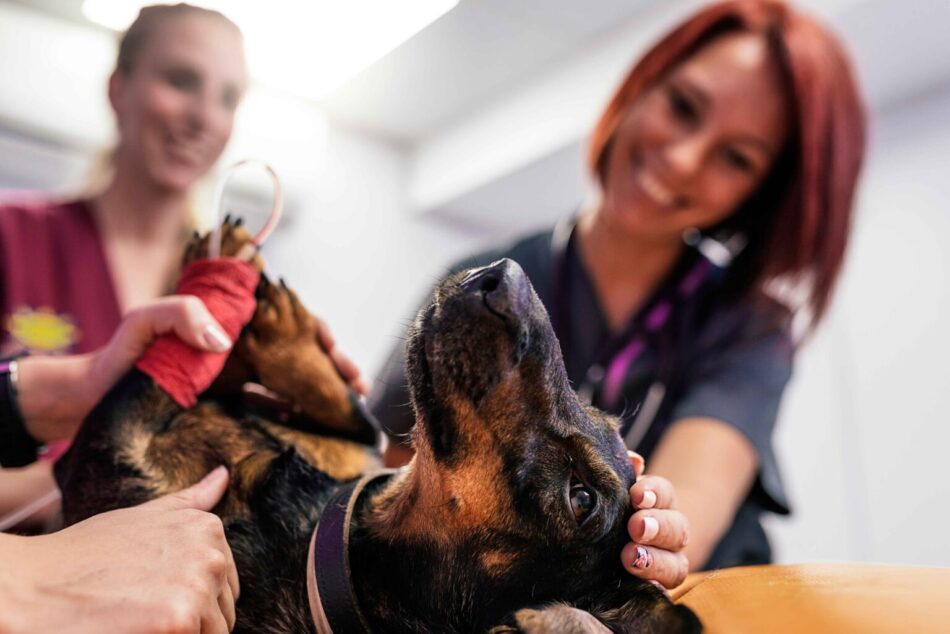
When your furry companion gets hurt, every second feels like an eternity. Whether it’s a deep cut, a bite from another animal, or an unexpected accident at home, proper dog wound treatment becomes crucial instantly. This is exactly where pet emergency trauma services step in. These specialized services are designed to handle critical injuries quickly, ensuring your pet receives the urgent medical care needed to prevent infections, complications, or long-term damage. Understanding how these services work—and why fast action matters—can make all the difference in your pet’s recovery. The more prepared you are, the better you can respond during stressful moments.
Why Dog Wounds Need Immediate Attention
Dogs are naturally curious, energetic, and sometimes fearless. From running through rough brush to scuffling with other animals, injuries are more common than we think. The problem is that even a wound that looks small can turn into a major issue if ignored. Open wounds expose your dog to bacteria, debris, and infection. A small cut can become swollen, painful, or filled with pus. A deeper wound may damage muscles, nerves, or blood vessels. Quick medical evaluation is key, and this is where the training and equipment behind pet emergency trauma services become invaluable. If a wound is bleeding heavily, seems deep, or your dog is in visible pain, don’t wait. Getting immediate care can prevent complications that are harder—and more expensive—to treat later.
Common Types of Dog Wounds and What They Mean
Not all wounds are created equal. Each type requires a different approach, and recognizing the severity can help you decide when to visit an emergency clinic.
1. Lacerations
These are often caused by sharp objects such as glass, metal, or thorns. Lacerations can vary in depth and may require sutures.
2. Bite Wounds
Bites from other animals can be misleading. Even punctures that appear small often hide deeper tissue damage or harmful bacteria.
3. Abrasions
Scrapes are usually superficial but can still become infected if left untreated, especially if dirt enters the wound.
In all cases, a professional evaluation ensures that internal injuries are ruled out and proper cleaning and treatment are performed.
How Pet Emergency Trauma Services Handle Critical Wounds
Emergency trauma centers are equipped with advanced tools and trained teams who specialize in urgent situations. When you arrive with an injured pet, the process often begins immediately. Here’s how emergency teams usually respond:
Initial Assessment
Your dog’s vital signs are checked first—heart rate, breathing, level of consciousness—to ensure stability.
Wound Cleaning and Debridement
Professionals thoroughly clean the wound, removing debris, bacteria, and damaged tissue.
Pain Management
Medication or sedation is used to control pain and keep your dog calm.
Suturing or Bandaging
Deep or open wounds may need stitches; others are cleaned and securely bandaged.
Diagnostic Imaging
If internal injury is suspected, X-rays or ultrasounds may be used.
Aftercare Planning
You’ll receive instructions on cleaning, medications, and follow-up visits.
This level of care is exactly why pet emergency trauma services are essential. They provide immediate, expert treatment that goes far beyond what a pet owner can safely do at home.
Why Fast Dog Wound Treatment Prevents Long-Term Problems
Acting quickly isn’t just about stopping bleeding—it’s about preventing complications that may develop hours or days later. Untreated or poorly treated wounds can lead to swelling, abscesses, fever, tissue death, or even systemic infections. Even minor wounds can become serious if bacteria enter the bloodstream, if a foreign object is trapped inside the skin, if the wound closes too quickly, or if the injury involves deeper structures like muscles and nerves. With professional care, these risks are minimized, and your dog’s chances of a smooth recovery increase significantly.
What You Can Do Before Reaching the Emergency Clinic
While professional help is necessary, your immediate response still matters. Here are two simple steps pet owners can safely take before reaching an emergency facility: Apply gentle pressure to bleeding wounds with clean cloth or gauze to slow blood loss. Prevent your dog from licking or scratching the wound, as this can worsen damage or introduce bacteria. Avoid human antiseptics like hydrogen peroxide or alcohol—they can irritate tissues or be unsafe for pets. Leave deeper cleaning to professionals.
How Pet Owners Can Be Prepared for Future Emergencies
Preparation can reduce panic during a crisis. Keep a basic pet first-aid kit with gauze, bandages, and clean clothes. Save the phone number and address of your nearest emergency vet clinic. Learn the signs of wounds that require urgent care and those that can be managed temporarily at home. Preparation not only saves time—it may save your pet’s life.
Final Thoughts: Your Pet Deserves Fast, Trusted Care
Dog injuries can happen unexpectedly, but knowing how and where to respond makes all the difference. With prompt dog wound treatment and reliable pet emergency trauma services, you can act confidently during critical moments and protect your dog from serious complications. If your pet ever experiences a sudden wound or trauma, don’t wait. Reach out to a trusted emergency veterinary clinic immediately. Fast action is one of the most important tools you have and it could be the key to your pet’s full recovery.


