
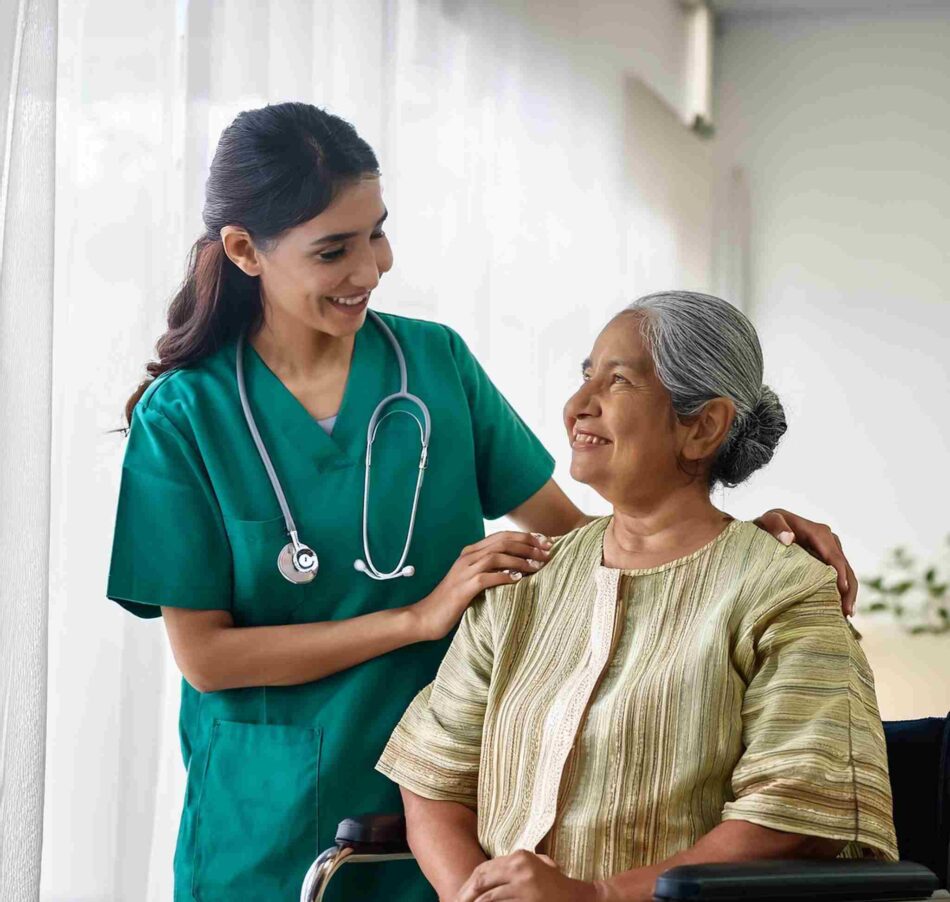
Heart conditions such as hypertension, heart failure, arrhythmias, and post-surgical recovery require vigilant monitoring. Home nurses provide:
-
Regular vital signs assessment (blood pressure, heart rate, oxygen saturation)
-
Medication administration and adherence monitoring
-
Symptom tracking, including chest pain, fatigue, or shortness of breath
-
Lifestyle guidance on diet, exercise, and stress management
-
Early detection of complications to prevent hospital readmissions
By combining medical expertise with personalized attention, home nurses support heart patients in maintaining optimal health.
How Home Nurses Monitor Heart Conditions at Home?
Home nursing (التمريض المنزلي)pinvolves systematic observation and proactive care. Here’s how nurses monitor patients with cardiovascular issues:
Vital Signs Monitoring:
Vital signs are essential indicators of heart health. Home nurses routinely measure:
-
Blood Pressure (BP): Detects hypertension or hypotension, which can affect heart function.
-
Heart Rate (HR): Monitors for arrhythmias or abnormal rhythm patterns.
-
Oxygen Saturation (SpO₂): Ensures proper oxygen delivery, particularly in heart failure patients.
-
Temperature: Helps identify infections that can strain the heart.
Symptom Tracking:
Home nurses assess and record symptoms such as:
-
Shortness of breath or difficulty breathing
-
Swelling in the legs or abdomen
-
Chest pain or discomfort
-
Fatigue or dizziness
-
Irregular heartbeat
These observations are communicated promptly to the patient’s family doctor to adjust treatment if necessary.
Medication Management:
Heart patients often take multiple medications, including:
-
Antihypertensives
-
Blood thinners
-
Diuretics
-
Beta-blockers
Home nurses ensure patients adhere to the prescribed schedule, monitor for side effects, and report any complications to the doctor.
Lifestyle Guidance:
Nurses provide practical support for heart-healthy living:
-
Advising on low-sodium, balanced diets
-
Encouraging safe physical activity
-
Stress reduction techniques
-
Monitoring weight to detect fluid retention
Emergency Preparedness:
Home nurses are trained to recognize early signs of cardiac emergencies. They:
-
Maintain emergency protocols
-
Coordinate with family doctors for immediate interventions
-
Call for hospital assistance if life-threatening symptoms appear
Tools and Technology Used by Home Nurses:
Modern home nursing in Dubai leverages technology to enhance monitoring:
-
Digital Blood Pressure Monitors: For accurate daily readings
-
Pulse Oximeters: Non-invasive oxygen level tracking
-
ECG Monitors: Portable devices to detect arrhythmias
-
Telemedicine Platforms: Allow real-time communication with cardiologists
-
Health Apps: Track vitals, medication schedules, and symptoms
These tools enable continuous observation and timely medical decisions without requiring hospital visits.
Benefits of Home Nursing for Heart Patients:
Home nursing offers several advantages for patients managing cardiovascular conditions:
-
Continuous Monitoring: Detects early signs of deterioration.
-
Personalized Care: Plans are tailored to individual health needs.
-
Reduced Hospitalizations: Prevents complications through proactive interventions.
-
Comfort and Convenience: Patients recover in a familiar home environment.
-
Family Support: Caregivers receive guidance and reassurance from professionals.
Key Benefits Table:
| Benefit | Description |
|---|---|
| Continuous Monitoring | Daily tracking of vitals and symptoms |
| Early Intervention | Quick response to complications |
| Medication Adherence | Ensures proper administration and compliance |
| Personalized Care | Tailored plans for each patient’s condition |
| Emotional Support | Comfort and reassurance for patient and family |
Tips for Families to Support Home Nursing Care
Maintain Accurate Records: Track daily vitals and symptom changes.
Provide a Safe Environment: Ensure easy access to medical devices and reduce fall risks.
Stay Involved: Communicate regularly with the home nurse and family doctor.
Follow Lifestyle Advice: Encourage adherence to diet, exercise, and medication plans.
Be Prepared for Emergencies: Know the emergency protocols shared by the nurse.
FAQs About Heart Patient Monitoring at Home
How often do home nurses check heart vitals?
Frequency depends on the patient’s condition; it can range from once daily to multiple times a day for high-risk patients.
Can home nurses adjust medications?
No. Nurses follow the doctor’s prescriptions but report any side effects or abnormal readings for physician adjustments.
Is telemonitoring available for heart patients?
Yes. Many home nursing services in Dubai use telemedicine for real-time updates to cardiologists.
Can nurses handle emergencies like heart attacks?
Home nurses are trained for emergency response, providing immediate first aid and contacting medical teams promptly.
Are heart patients suitable for home nursing?
Yes. Most stable patients or post-hospitalization cases can benefit from home nursing for continuous monitoring and support.
Conclusion:
Home nursing in Dubai provides comprehensive, personalized monitoring for patients with heart conditions. Through vital signs assessment, symptom tracking, medication management, and lifestyle guidance, home nurses ensure early detection of complications and seamless coordination with family doctors.
For patients recovering from cardiac events, managing chronic heart disease, or requiring post-surgical care,Home nursing in Dubai (التمريض المنزلي في دبي)offers a safe, convenient, and effective solution, combining professional medical care with the comfort of home.


