
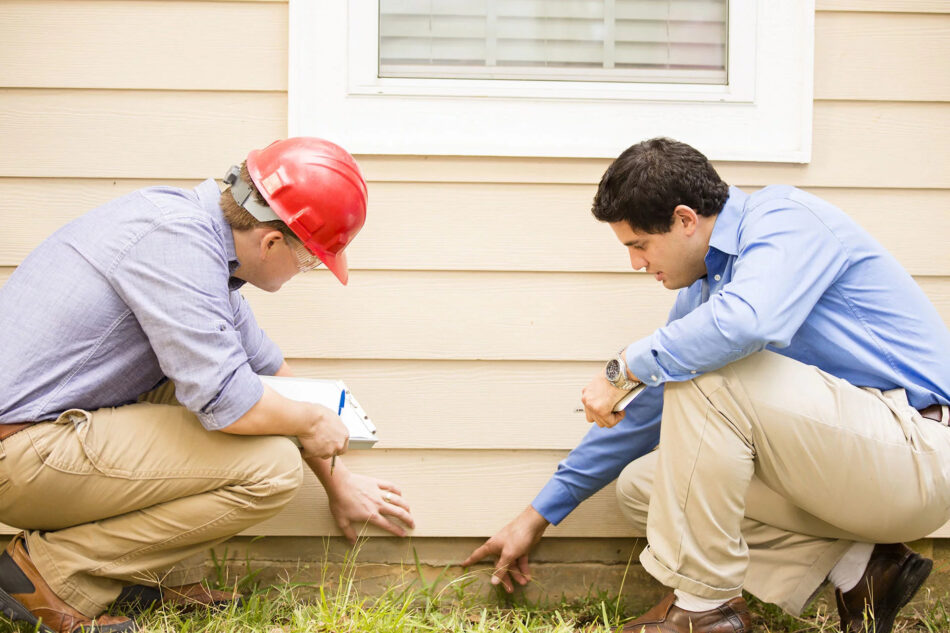
Buying a home is a major investment, and before you make such a significant decision, it’s important to understand the condition of the property. One of the most crucial steps in this process is the home inspection. This guide will walk you through the home inspection process, helping you understand what to expect and how to prepare. Whether you’re a first-time buyer or have experience in real estate, knowing what happens during a home inspection will give you peace of mind and help you make an informed decision.
1. What is a Home Inspection?
A home inspection is a detailed evaluation of a property’s condition. It’s usually performed by a licensed inspector who will assess both the interior and exterior of the house. The inspector will check for any structural issues, plumbing, electrical systems, roofing, and more. The goal is to identify any potential problems that might require repairs or affect the value of the home.
In most cases, the home inspection is scheduled after an offer has been accepted, but before the sale is finalized. It provides the bu Home Inspection Process: What Happens?
During the inspection, the inspector will examine various parts of the home. Here’s a breakdown of what to expect:
-
Exterior: The inspector will examine the foundation, roof, siding, gutters, windows, and doors. They will look for cracks, signs of water damage, or any issues that could affect the home’s stability.
-
Interior: The inspector will check the walls, ceilings, floors, and windows. They will also look at doors, staircases, and other structural components to ensure there are no safety hazards.
-
Plumbing: The inspector will evaluate the plumbing system, including water pressure, pipes, and the condition of the water heater. They will also check for leaks and any potential issues with the sewer system.
-
Electrical System: The inspector will test the electrical systems, including the wiring, outlets, circuit breaker panel, and light switches. They’ll check to see if everything is up to code and functioning properly.
-
HVAC: The heating, ventilation, and air conditioning systems will be tested to ensure they are working efficiently. The inspector may also look at the age and condition of these systems to help predict potential future issues.
-
Attic and Basement: These areas will be checked for insulation, mold, and any signs of damage. The inspector will also assess the overall condition of the roof structure, framing, and flooring.
What Will the Inspector Look For?
The inspector will look for visible and accessible signs of damage or wear. Some common issues that may arise include:
-
Roof Damage: Leaks, missing shingles, or signs of water damage may be a concern.
-
Foundation Problems: Cracks, settling, or shifting foundations could lead to expensive repairs down the line.
-
Electrical Issues: Faulty wiring or outdated electrical systems can pose safety hazards.
-
Plumbing Problems: Leaks, poor water pressure, or malfunctioning pipes can cause significant damage over time.
-
Pest Infestations: Rodents, termites, and other pests can create long-term problems for homeowners.
While some issues are minor, others could require expensive repairs or indicate more serious problems. This is where Residential Home Inspection Services come into play. A licensed and experienced inspector will be able to give you an unbiased, comprehensive report on the home’s condition.
Should You Attend the Inspection?
While it’s not required for you to be present during the inspection, it can be helpful. Attending the inspection allows you to ask the inspector questions in real-time and gain a better understanding of the property. You’ll also have the chance to see the areas that are being evaluated. Some buyers prefer to walk through the home with the inspector at the end of the inspection to discuss their findings.
If you can’t attend in person, ask for a detailed report. Most inspectors provide a written report with photos and descriptions of any issues discovered during the inspection. This can give you an overview of the home’s condition, allowing you to make informed decisions moving forward.
After the Inspection: What Happens Next?
Once the inspection is complete, you’ll receive the inspection report. This document will outline all the issues found during the inspection, from major repairs to minor cosmetic issues. Based on the findings, you’ll need to decide what steps to take.
-
Negotiate Repairs: If significant problems are found, you may be able to negotiate with the seller for repairs or a price reduction.
-
Request Seller Concessions: In some cases, the seller may agree to cover certain repair costs or offer a credit toward repairs.
-
Walk Away: If serious problems are uncovered and you’re not comfortable with the costs of repairs, you may choose to walk away from the deal. Your purchase agreement may include a contingency that allows you to back out of the contract based on the inspection results.
Pre Purchase Home Inspection: A Vital Step
For buyers looking to purchase a home, a Pre Purchase Home Inspection is an essential step in the home-buying process. This inspection can help identify any major issues that might not be apparent during a regular viewing. A pre-purchase inspection allows buyers to make a fully informed decision, potentially avoiding costly repairs or purchases that don’t meet their needs.
Conclusion: Should You Move Forward After the Inspection?
After the home inspection, you’ll need to evaluate the findings carefully. If major issues are discovered, they can be used as a negotiation tool or may even be a deal-breaker. However, not all findings should automatically raise alarm. Some issues, like worn-out paint or minor plumbing leaks, may be easy to fix and won’t significantly impact your decision. Ultimately, the home inspection provides valuable insight into the property’s condition, ensuring that you’re making an informed purchase. Whether you’re moving forward with the sale or walking away, understanding the results of the inspection is critical to the success of your home-buying journey. A Pre Purchase Home Inspection will give you the clarity you need before making that final commitment.


