
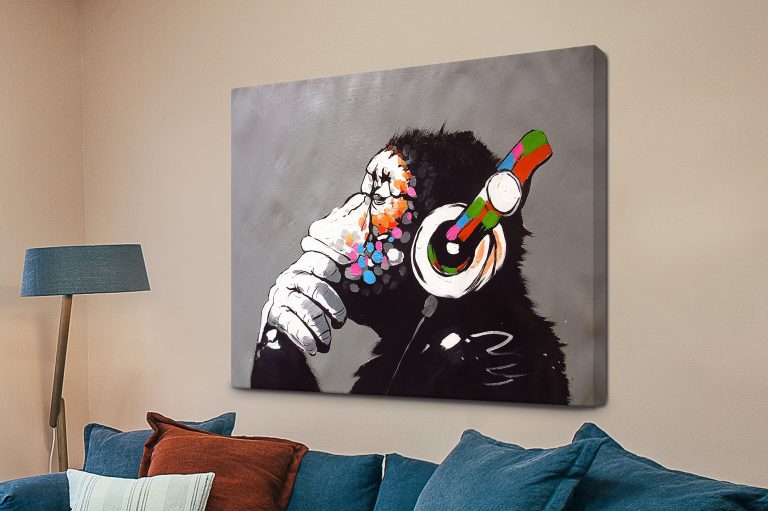
When starting with wall art, many people wonder which canvas size and orientation to choose. It’s one of those small details that make a big difference in how your artwork looks. Whether you’re new to art collecting or decorating your home, learning how to select the right canvas print helps you create the best visual impact. Let’s go step by step to understand what really matters when picking your canvas.
Understanding the Basics of Canvas Size
Before you buy, it’s helpful to know that canvas sizes vary widely. From small 8×10 pieces to large wall-filling panels, each serves a unique purpose. The right size depends on your wall space, the type of image, and your design goals.
Smaller canvases often suit intimate areas like hallways, entryways, or bedside walls. They create subtle charm without overpowering the room. Medium sizes are great for living rooms or dining areas where people gather. Large canvases, on the other hand, command attention and instantly turn any wall into a statement piece.
When selecting a canvas print, remember to measure the wall carefully. Leave some breathing room around the artwork so it doesn’t look crowded. For example, if your wall is 8 feet wide, keep the artwork about 60 to 70 percent of that width for balanced proportions.
Why Orientation Matters
Canvas orientation refers to the way the image is positioned: portrait, landscape, or square. Choosing the right one is essential because it affects how people view and feel the artwork.
Portrait orientation works best for vertical subjects like people, trees, or tall buildings. It naturally draws the eye upward and adds a sense of height to your space. Landscape orientation, on the other hand, highlights wide scenes such as beaches, sunsets, or cityscapes. It’s calming and fits perfectly above sofas or beds.
Square canvases offer a balanced and modern look. They work well in grids or as part of a gallery wall. If you’re unsure, this layout gives you flexibility since it suits almost any photo type.
Balancing Canvas Size With Room Scale
A small artwork can get lost on a large wall, while an oversized piece may overwhelm a small room. To create harmony, consider how the canvas fits with the surrounding furniture.
In living rooms, large horizontal canvas prints over sofas or mantels feel naturally aligned. Bedrooms, however, often benefit from portrait orientations near dressers or bedside walls. Kitchens and bathrooms can use smaller canvases to add personality without cluttering the space.
If you’re designing a gallery wall, use multiple small to medium canvases arranged evenly. Keep equal spacing between each to maintain balance. You can mix orientations to add variety without losing cohesion.
How to Choose the Right Canvas Size for Your Wall
Here’s a quick guide to match common canvas sizes with wall areas:
-
Small walls: Try 8×10, 10×12, or 12×16 inches. These fit perfectly in tight spots.
-
Medium walls: Go for 16×20, 18×24, or 20×24 inches. They offer noticeable presence without taking over.
-
Large walls: Choose 24×36, 30×40, or even 36×48 inches for dramatic impact.
A simple trick is to use painter’s tape to mark the size on your wall before ordering. This helps you visualize how the final piece will look in your space.
Common Question: What Canvas Orientation Should I Choose for My Photo?
The best way to decide is by analyzing the subject of your image. If the main focus is taller than it is wide, a portrait orientation usually fits. For wide landscapes, go with a landscape layout.
However, sometimes a photo looks amazing in both orientations. Try cropping the image both ways using an editing tool. This quick step helps you see which format enhances the visual story. Remember, orientation should complement the subject, not restrict it.
The Impact of Canvas Size on Mood
Different sizes create different emotional effects. Large canvases make bold statements and add confidence to a room. They work great in modern or open spaces. Smaller pieces bring warmth and coziness, making them great for personal corners or reading nooks.
Grouping several small canvases can also create a storytelling effect. You can display family moments, travel memories, or artistic series in a way that captures attention without a single oversized piece.
So when you choose a canvas print, think about the mood you want your space to reflect.
Framed or Stretched? Understanding Canvas Presentation
When buying wall art, you’ll often see two popular terms: stretched and framed canvases. Knowing the difference helps you pick the right one for your decor.
A stretched canvas wraps the printed image around the sides of a wooden frame. This style gives a modern, clean look with no outer frame required. It’s lightweight and easy to hang, which makes it a favorite for minimalist interiors.
A framed canvas, meanwhile, adds a stylish border around the stretched piece. Frames bring structure and sophistication, often matching other furniture or decor tones. Both options are available from many online art stores, and Canvas Print Australia offers high quality artwork available in stretched, framed, and other canvases, giving buyers a wide range of presentation choices.
How to Match Canvas Size With Furniture
Art should complement, not compete, with furniture. For example, when placing a canvas above a sofa, the width should be about two-thirds of the sofa’s width. This ratio helps the space look balanced and thoughtfully arranged.
Above a bed, a large horizontal canvas print works beautifully. In dining rooms, medium or square canvases look more relaxed and conversational. Always leave a few inches of space between furniture and artwork to keep everything visually connected yet comfortable.
If your room has high ceilings, use vertical arrangements to emphasize height. In smaller rooms, go horizontal to make the space feel wider and more open.
Considering Aspect Ratios
Aspect ratio means the proportional relationship between width and height. Common ratios include 3:2, 4:3, and 1:1. Understanding this helps you choose the right canvas for your image.
For example:
-
3:2 is perfect for panoramic landscapes.
-
4:3 fits portraits or general photography.
-
1:1 suits artistic compositions or minimalist photos.
When ordering a canvas print, make sure your photo matches the selected aspect ratio to avoid awkward cropping or blank borders.
Tips for Choosing the Right Canvas Print for Your Home
Here are a few simple tips to make your selection easier:
-
Test placement before buying. Use masking tape to visualize different sizes.
-
Stick to one theme. A cohesive theme creates a more polished appearance.
-
Think lighting. Natural or artificial light changes how colors appear on canvas.
-
Don’t ignore orientation. It’s as important as the photo itself.
By taking a few minutes to plan, you’ll end up with artwork that enhances your room beautifully.
How Canvas Print Australia Makes Selection Easy
If you’re still unsure where to start, exploring options from Canvas Print Australia can help. The brand offers a wide selection of sizes, orientations, and finishes. Whether you love framed, stretched, or custom designs, you’ll find something that fits your wall perfectly.
Their collection includes scenic landscapes, abstract pieces, and personal photo prints. Each piece is printed on premium materials that ensure long-lasting colors and durability. It’s an easy way to bring professional-grade art into your home without the guesswork.
Final Thoughts on Choosing the Right Canvas Size and Orientation
Selecting the right canvas print is more than a design decision, it’s about creating connection and comfort in your space. The right size and orientation help your art feel at home in your room.
Start by understanding your wall dimensions and the image’s subject. Then, consider how orientation and framing influence your room’s feel. Small adjustments make a big difference in the overall harmony of your space.


