
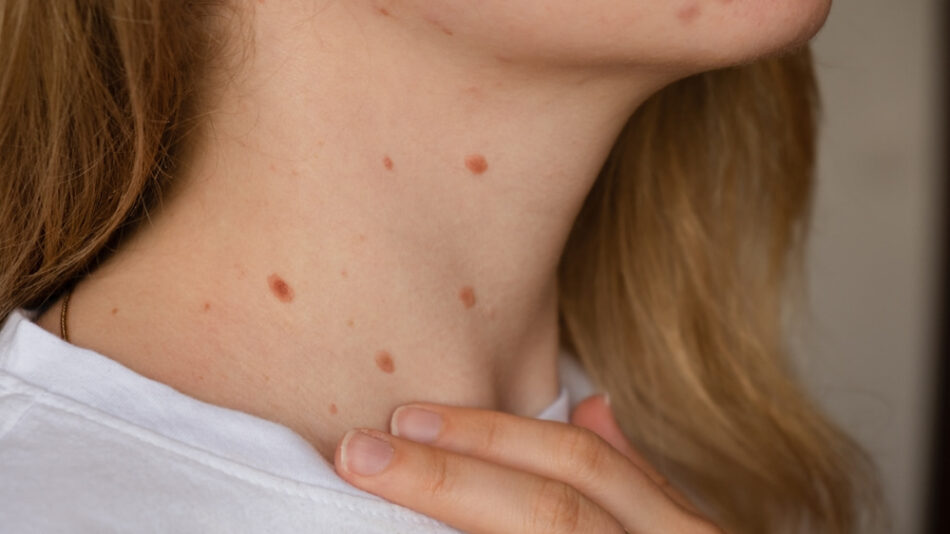
Skin tags are one of the most common benign skin growths, affecting millions of people worldwide. They often appear on areas prone to friction, such as the neck, armpits, eyelids, and groin. While harmless, many people worry about whether skin tags can spread to others. In this article, we explore Are Skin Tags Contagious, their real causes, risks, and effective treatment options.
What Are Skin Tags?
Skin tags, or acrochordons, are soft, small, flesh-colored growths that hang from the skin by a thin stalk. They are painless in most cases and usually do not pose a health risk.
Although they may resemble warts or moles, skin tags differ because they are not caused by viral infections. This distinction is key when answering the question: Are Skin Tags Contagious?
The Real Causes of Skin Tags
Dermatologists explain that skin tags form due to several non-infectious factors:
-
Friction: Skin folds and areas of repeated rubbing are more likely to develop tags.
-
Genetics: A family history of skin tags increases susceptibility.
-
Hormonal changes: Pregnancy or other hormonal shifts can trigger them.
-
Age: Adults over 40 are more prone to developing skin tags.
-
Medical conditions: Obesity, type 2 diabetes, and metabolic syndrome increase the likelihood.
Because these growths are caused by mechanical and genetic factors rather than infectious agents, this clarifies why Are Skin Tags Contagious is a common myth.
Myth vs. Fact: Are Skin Tags Contagious?
Many people assume skin tags can spread through touch, shared clothing, or towels. However, dermatologists and scientific studies confirm that this is false.
Skin tags are non-infectious. Unlike warts, which are caused by the human papillomavirus (HPV), skin tags cannot be transmitted from person to person. Multiple family members may have skin tags due to shared genetics, not because of contagion.
Understanding this fact helps eliminate unnecessary concern and allows individuals to focus on prevention and proper care.
How to Identify Skin Tags
Recognizing skin tags is usually straightforward. Common characteristics include:
-
Small, soft, flesh-colored or slightly darker growths
-
Hanging from the skin on a thin stalk
-
Found on the neck, armpits, eyelids, groin, or under breasts
-
Typically painless, though friction may cause irritation or redness
Proper identification is important to differentiate skin tags from other skin conditions that may require medical attention.
Health and Wellness Considerations
While discussing Are Skin Tags Contagious, it’s essential to also consider their implications for health and wellness.
Skin tags are mostly harmless but may indicate underlying conditions such as insulin resistance, obesity, or hormonal imbalances. Maintaining a healthy lifestyle—including balanced nutrition, regular exercise, and proper skin care—can reduce irritation and minimize the formation of additional skin tags.
Monitoring your overall health ensures that skin tags remain a cosmetic concern rather than a signal of deeper medical issues.
When to Consult a Dermatologist
Most skin tags do not require treatment. However, consultation is advised if:
-
The skin tag changes in size, color, or shape
-
It bleeds, becomes painful, or shows signs of infection
-
There is uncertainty whether it is a skin tag or another skin growth
A dermatologist can confirm the diagnosis and recommend safe removal methods if needed, ensuring comfort and peace of mind.
Treatment Options for Skin Tags
Several safe and effective treatments exist for removing skin tags:
-
Snipping: Cutting off the tag with sterile instruments
-
Cryotherapy: Freezing the skin tag with liquid nitrogen
-
Electrocautery: Burning the tag using a small electrical current
-
Over-the-counter solutions: Topical products may help, but should be used with caution
Home remedies, such as apple cider vinegar or tea tree oil, are not recommended due to the risk of irritation or infection. Regardless of treatment, the question Are Skin Tags Contagious remains “no”—they do not spread to others.
Tips for Preventing Skin Tags
While complete prevention is not always possible, these strategies can help reduce the risk:
-
Wear loose-fitting clothing to minimize friction
-
Keep skin clean and dry in areas prone to tags
-
Maintain a healthy weight to reduce skin folds
-
Monitor new growths and consult a dermatologist if changes occur
These tips can limit irritation, discomfort, and cosmetic concerns, though genetics and hormonal factors may still contribute to skin tag formation.
Conclusion: Understanding Skin Tags
In conclusion, Are Skin Tags Contagious? The answer is no. Skin tags are benign, non-infectious growths caused by friction, genetics, hormones, or metabolic factors. They cannot spread through touch, shared items, or close contact.
From a health and wellness perspective, skin tags are generally harmless, though they may indicate metabolic or hormonal conditions. Consulting a dermatologist can provide safe removal options if they cause discomfort or aesthetic concerns.
By understanding the real causes and separating myth from fact, individuals can confidently manage skin tags while maintaining skin health and overall well-being.


