
Viscose fabric is a staple in the fashion world. It offers a luxurious feel similar to silk but at a much more accessible price point. Designers love it for its drape and softness, making it a top choice for dresses, blouses, and linings. However, despite its popularity, viscose fabric is known for being a bit high-maintenance. If you don’t handle it correctly, you might face shrinkage, wrinkling, or fading that can ruin a beautiful garment.
Understanding the characteristics of this material is the first step to maintaining it. Whether you are a fashion designer sourcing from a wholesale fabric supplier or a consumer looking to care for your wardrobe, knowing how to handle viscose makes all the difference. In this guide, we will break down exactly what viscose is, the common problems associated with it, and the actionable steps you can take to keep your viscose items looking pristine.
Introduction to Viscose Fabric
Before tackling the issues, we need to understand the material itself. Viscose fabric is a type of rayon, a semi-synthetic fiber made from natural sources like wood pulp. It sits right in the middle of natural fibers (like cotton and silk) and synthetic fibers (like polyester).
What is Viscose and Its Properties?
Viscose is manufactured by treating cellulose with chemicals to create a liquid substance, which is then spun into fibers. This process results in a material that is incredibly absorbent, breathable, and soft to the touch. It dyes easily, which means it can hold deep, vibrant colors that look stunning on a finished garment.
Because it is derived from plants, it shares many properties with cotton. It absorbs moisture well, which makes it comfortable to wear in warm weather. However, unlike cotton, viscose is structurally weaker when wet. This specific property is the root cause of many issues discussed later in this article. When you buy fabric online, checking the product description for “viscose” or “rayon” alerts you to these specific care requirements immediately.
Why is Viscose a Popular Choice?
Designers and brands frequently choose viscose fabric for several compelling reasons. First, the drape is exceptional. It hangs loosely and flows with movement, giving garments an expensive, high-end look without the high cost of silk.
Second, it is versatile. You can find viscose in everything from lightweight summer dresses to heavy, structured jackets. It blends well with other fibers like cotton, polyester, and spandex, adding softness to those blends. For businesses looking for a wholesale fabric supplier, viscose offers a balance of cost-effectiveness and consumer appeal. It feels premium on the skin, which is a major selling point for clothing brands.
Common Issues with Viscose Fabric

Despite its beauty, viscose has a reputation for being delicate. Several common issues arise during the lifecycle of a viscose garment, mostly related to washing and wear.
Shrinkage After Washing
The most notorious issue with viscose fabric is shrinkage. You might wash a perfectly fitting dress only to find it looks two sizes smaller when it comes out of the machine. This happens because the fibers swell when they get wet and relax into a shorter shape as they dry.
Viscose can shrink significantly—sometimes up to 25%—if washed in hot water or subjected to the high heat of a dryer. This structural change is often permanent. Unlike cotton, which might stretch back out with wear, shrunken viscose fibers are difficult to restore to their original length. This creates frustration for consumers who didn’t check the care label and for manufacturers who receive returns due to “defective” sizing.
Wrinkling and How to Minimize It
If you own a viscose shirt, you know it wrinkles easily. The fibers have low elasticity and resilience. When the fabric is folded or compressed, the fibers bend and stay bent, creating sharp creases. This is different from polyester, which naturally resists wrinkling.
Wrinkling often happens during the shipping process when you buy fabric online or simply during daily wear. Sitting in a car or at a desk for hours can leave the back of a viscose skirt looking crumpled. While the wrinkles usually press out easily, the constant need for ironing can be a hassle for the end-user.
Color Fading
Viscose absorbs dye beautifully, allowing for rich, saturated colors. However, maintaining that color requires care. The fibers can release dye if washed in water that is too hot or with harsh detergents. This is known as “bleeding.”
Additionally, viscose fabric is susceptible to fading from sunlight. Prolonged exposure to direct UV rays can break down the dye molecules, leaving the fabric looking dull or bleached in patches. This is particularly problematic for curtains or clothing dried outside on a line.
Pilling and Abrasion
Pilling refers to those small, fuzzy balls that form on the surface of the fabric. Viscose fibers are relatively short compared to synthetic filaments. With friction—such as rubbing against a bag strap or the friction of thighs walking—these short fibers break and tangle together on the surface.
Abrasion resistance is low in viscose. This means the fabric wears thin faster than cotton or polyester in high-friction areas. If you examine an old pair of viscose trousers, you will often see thinning between the legs long before the rest of the garment shows age.
Best Practices for Viscose Care
The key to longevity for any viscose garment lies in how you handle it during cleaning and storage. By following strict care protocols, you can avoid almost all the issues mentioned above.
Washing Techniques
The golden rule for viscose fabric is to keep it cool and gentle.
Hand Washing is Best: The safest method is hand washing in cool water. Use a mild detergent formulated for delicate fabrics. Submerge the garment and gently agitate the water with your hands. Do not wring, twist, or scrub the fabric aggressively. Remember, viscose is weaker when wet; twisting it can break the fibers or distort the shape permanently.
Machine Washing Precautions: If you must use a washing machine, use a mesh laundry bag. This protects the item from getting snagged on other clothes or the drum. Select the “delicate” or “hand wash” cycle with cold water and a low spin speed. High spin speeds can cause severe wrinkling and stress the fibers.
When you buy fabric online for sewing projects, it is wise to pre-wash the fabric using the method you intend to use for the finished garment. This allows any initial shrinkage to happen before you cut and sew, ensuring your final size remains accurate.
Drying Methods
Never put viscose fabric in a tumble dryer. The combination of heat and tumbling action is the fastest way to shrink and damage the material.
Air Drying: Lay the item flat on a clean, dry towel. Roll the towel up with the garment inside to press out excess water gently—do not wring it. Then, unroll it and lay the garment flat on a drying rack. Hanging wet viscose can cause it to stretch out of shape due to the weight of the water, so flat drying is superior.
If you must hang it, use padded hangers and ensure the garment is not dripping wet. Avoid direct sunlight. Dry it in a shaded, well-ventilated area to prevent color fading and fiber damage from UV rays.
Ironing Recommendations
Because viscose wrinkles so easily, ironing is often necessary. However, direct heat can scorch the fibers, leaving shiny marks that are impossible to remove.
Iron Inside Out: Always iron viscose fabric on the reverse side. This protects the visible surface from potential heat damage.
Use Low Heat: Set your iron to the “rayon” or “silk” setting (usually a low to medium heat). If your iron is too hot, the fibers can melt or burn.
Use a Pressing Cloth: For extra protection, place a plain white cotton cloth between the iron and the viscose. This acts as a barrier, ensuring the heat smooths the wrinkles without scorching the delicate fibers.
Steaming: A garment steamer is an excellent alternative to ironing. The steam relaxes the fibers and releases wrinkles without compressing the fabric. It is generally safer and faster than traditional ironing for viscose items.
Storage Tips
How you store viscose affects its lifespan.
Hanging vs. Folding: Structured viscose items like jackets or heavy shirts can hang on padded hangers. However, for knits or heavy dresses that might stretch, folding is safer. Store them in a cool, dry place.
Avoid Plastic: Do not store viscose in plastic bags for long periods. The fabric needs to breathe. Plastic can trap moisture, leading to mildew or yellowing over time. Cotton garment bags are a better choice for long-term storage.
Moth Prevention: Since viscose is a cellulose fiber (like cotton and linen), moths are generally less attracted to it than wool or silk. However, silverfish can eat rayon. Ensure your storage area is clean and dry to keep pests away.
Sourcing Quality Viscose
For fashion brands and designers, avoiding issues starts with sourcing high-quality material. Not all viscose is created equal. The quality of the wood pulp and the manufacturing process dictates how the final fabric performs.
When looking for a wholesale fabric supplier, inquire about the origin and specifications of the viscose. Higher-quality variations, like high-wet-modulus rayon, are stronger and resist shrinkage better than standard viscose.
Suppliers like Fabriclore offer a vast range of viscose fabrics, ensuring quality and variety for fashion businesses. While other stores like Mood Fabrics or Joann might stock viscose, Fabriclore specializes in catering to private labels with customized design and printing options at low minimum order quantities (MOQ). This allows brands to experiment with high-quality viscose without committing to massive stock initially.
If you decide to buy fabric online, always order a swatch first. Test the swatch by washing and drying it to see how it behaves. This small step can save you from a production disaster later on.
Conclusion
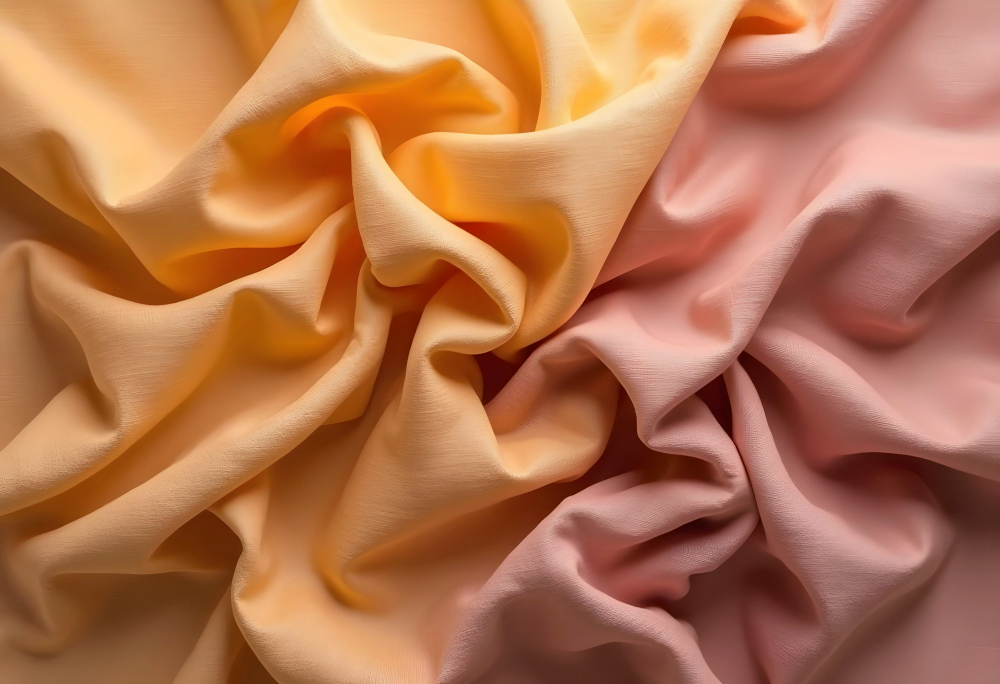
Viscose fabric remains a powerhouse in the textile industry. Its ability to mimic the luxury of silk while offering the comfort of cotton makes it irreplaceable for many designers. However, its tendency to shrink, wrinkle, and weaken when wet requires a specific approach to care.
By understanding the nature of the fiber, you can mitigate the common risks. Hand washing in cool water, air drying flat, and ironing with protection are the pillars of maintaining viscose. For brands, partnering with a reliable wholesale fabric supplier ensures that the base material you work with meets high standards, reducing the likelihood of consumer complaints.
Whether you are sewing a custom piece or managing a fashion line, treating viscose with respect ensures it stays beautiful, vibrant, and soft for years to come. Next time you buy fabric online, you can add viscose to your cart with confidence, knowing exactly how to handle it.


