
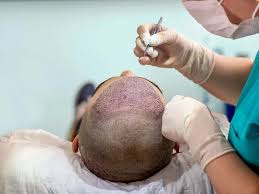
Undergoing a Hair Transplant in Dubai is one of the most effective ways to permanently restore your natural hair. However, the real success of the procedure depends not only on the surgery itself but also on the recovery process that follows. The way you care for your scalp and newly transplanted grafts during the healing period determines how well your hair grows and how natural your results look.
This blog will walk you through the most essential recovery tips after a hair transplant — from immediate aftercare to long-term scalp maintenance — to ensure you achieve the best, most natural-looking results.
1. Understanding the Recovery Phase After Hair Transplant in Dubai
After undergoing a hair restoration procedure, your scalp goes through several healing stages. This is a completely natural process and happens in all types of transplants, whether it’s FUE (Follicular Unit Extraction), FUT (Follicular Unit Transplantation), or DHI (Direct Hair Implantation).
Typical recovery timeline:
-
Days 1–3: Mild redness, tenderness, and swelling. Grafts begin to settle.
-
Days 4–10: Scabs and small crusts form; transplanted follicles start healing.
-
Weeks 2–4: Temporary shedding of transplanted hair (known as shock loss).
-
Months 3–4: New hair growth begins as follicles enter the active growth phase.
-
Months 6–12: Continuous improvement in thickness and natural density.
Understanding this timeline helps manage expectations and ensures you don’t panic during normal post-transplant phases such as shedding or mild itching.
2. Follow Immediate Aftercare Instructions
The first 72 hours after your Hair Transplant in Dubai are critical for ensuring graft survival. During this time, the transplanted follicles are still fragile and can be easily displaced if mishandled.
Essential early-care steps:
-
Avoid touching or scratching the transplanted area.
-
Sleep with your head elevated using two pillows to minimize swelling.
-
Do not wash your hair for at least 48 hours post-surgery.
-
Avoid sweating or heavy activities that could cause irritation.
After the third day, you can gently rinse your scalp with a mild, sulfate-free shampoo, as recommended by your surgeon.
3. Protect Your Scalp from the Sun
Dubai’s sunny weather can be harsh on a healing scalp. Direct sun exposure may cause irritation, dryness, or even damage to newly transplanted grafts.
Best practices:
-
Avoid going out in the sun for at least two weeks.
-
If necessary, wear a loose-fitting hat made of breathable fabric.
-
Never apply sunscreen or hair products directly on your scalp during the early healing phase.
Protecting your scalp from UV rays helps prevent inflammation and supports faster recovery after a Hair Transplant in Dubai.
4. Manage Swelling and Redness Naturally
It’s completely normal to experience slight swelling or redness after a FUE or FUT hair transplant. These symptoms usually appear around the forehead or temples and disappear within a few days.
To reduce swelling:
-
Apply a cold compress gently above the transplanted area (never directly on grafts).
-
Stay hydrated and avoid salty foods.
-
Sleep with your head elevated.
These small actions improve circulation and minimize inflammation without disturbing the transplanted follicles.
5. Avoid Physical Activities and Workouts
One of the most common recovery mistakes after a Hair Transplant in Dubai is returning to exercise too soon. Sweat and increased blood pressure can affect graft stability and delay healing.
Activity restrictions:
-
Avoid heavy workouts, weightlifting, and running for at least 10–14 days.
-
Light walking is fine after the first week.
-
Stay away from saunas, steam rooms, and swimming pools for 3–4 weeks.
By giving your scalp enough rest, you increase the survival rate of transplanted follicles.
6. Handle Scabs and Crusting with Care
Scabs and small crusts form naturally around the grafts during healing. These are signs that your body is protecting and repairing the scalp. However, it’s essential not to pick or scratch them.
Instead, gently massage your scalp with mild shampoo after 10 days to help them fall off naturally. Improper handling can cause graft dislodgement or scarring, which may affect final results.
7. Watch for the Shedding Phase
Many patients worry when transplanted hair starts falling out around 2–4 weeks post-surgery. This is completely normal and scientifically known as shock loss.
The follicles remain intact under the skin, while the visible hair shafts shed temporarily to make room for new, healthy hair growth.
Patience during this stage is vital, as noticeable regrowth usually begins around the third or fourth month.
8. Support Hair Growth with PRP Therapy
To accelerate healing and boost hair regrowth, many specialists recommend Platelet-Rich Plasma (PRP) therapy after a Hair Transplant in Dubai.
PRP involves using your own blood’s platelets — rich in growth factors — to stimulate new cell formation and improve blood circulation in the scalp. This scientifically enhances follicle health, increases density, and speeds up recovery.
Typically, PRP sessions are suggested every 4–6 weeks for the first few months after surgery for optimal results.
9. Maintain a Healthy Diet for Stronger Regrowth
Your body needs proper nutrition to support new hair growth. A diet rich in essential vitamins, minerals, and proteins strengthens follicles and speeds up recovery.
Hair-friendly nutrients include:
-
Protein: Found in eggs, fish, and lean meat for strong hair structure.
-
Iron: Helps deliver oxygen to hair follicles.
-
Zinc and Biotin: Essential for new hair cell development.
-
Omega-3 fatty acids: Support scalp hydration and follicle health.
Staying hydrated and avoiding processed foods also helps create the best internal environment for regrowth.
10. Avoid Smoking and Alcohol During Recovery
Both smoking and alcohol negatively affect blood circulation, slowing down healing and reducing graft survival rates.
For the best recovery after a Hair Transplant in Dubai, it’s recommended to avoid smoking and drinking for at least 2–3 weeks post-procedure. This ensures that your follicles receive the oxygen and nutrients they need to grow successfully.
11. Keep Your Scalp Clean and Moisturized
A clean scalp prevents infection and supports faster healing. However, harsh shampoos or chemical-based products can irritate sensitive areas.
Use gentle, fragrance-free shampoos and avoid hair gels, sprays, or oils for the first month. After the initial healing period, you can reintroduce mild conditioners or natural oils like argan or coconut to keep your scalp hydrated.
12. Monitor Your Sleep Position
Your sleeping posture affects graft protection during the early recovery stage. Sleeping flat can cause swelling and even damage transplanted follicles.
For the first week:
-
Sleep on your back with your head slightly elevated.
-
Avoid sleeping on your stomach or sides.
-
Use a travel pillow to prevent accidental contact with your scalp.
These simple adjustments ensure grafts remain secure and undisturbed throughout recovery.
13. Be Patient with the Hair Growth Process
Hair restoration is a gradual journey that requires patience. It takes time for transplanted follicles to establish and produce new hair.
Typically:
-
3–4 months: Soft new hair starts to appear.
-
6–8 months: Noticeable thickening and improvement in coverage.
-
12 months and beyond: Full results with natural texture and density.
Each person’s growth timeline may vary based on individual hair characteristics and the technique used.
14. Follow-Up Appointments Are Essential
Post-procedure checkups allow your surgeon to assess healing progress and guide you through the regrowth phase. During these visits, you’ll receive professional advice on:
-
When to resume styling or cutting your hair
-
Whether to consider PRP or laser therapy
-
How to manage any scalp sensitivity or minor shedding
Following your doctor’s advice ensures a smooth and successful recovery after a Hair Transplant in Dubai.
15. Long-Term Hair Care Routine
After full recovery, maintaining your transplanted hair is just as important as the procedure itself.
Long-term care tips:
-
Use mild, sulfate-free shampoos.
-
Avoid overuse of heat tools or chemical treatments.
-
Trim regularly to keep hair healthy.
-
Massage your scalp gently to boost blood flow.
Consistency is key — proper maintenance ensures your new hair remains strong, thick, and natural-looking for years to come.
Final Thoughts
The success of your Hair Transplant in Dubai relies heavily on how well you care for your scalp and newly transplanted grafts during recovery. Following the right aftercare practices, maintaining a healthy lifestyle, and keeping patience during the regrowth phase will help you achieve the most natural and lasting results.
From protecting your scalp and managing swelling to nourishing your hair and following medical advice, each small step contributes to the overall outcome.
If you’re planning your journey toward confident, natural hair restoration, connect with Tajmeels Clinic. Their experienced professionals specialize in advanced hair transplant and recovery care — helping you achieve thicker, healthier hair with results that truly last.


