
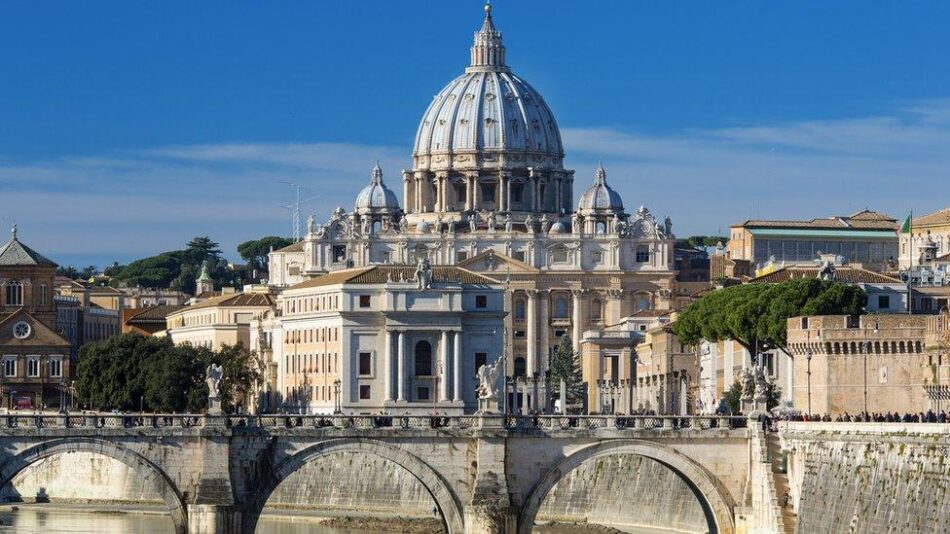
The history of Italy is a journey through some of the world’s most influential civilizations, cultural movements, and political transformations. Known as the birthplace of the Roman Empire, the Catholic Church, and the Renaissance, Italy shaped not only Europe but also global history. From ancient Rome’s dominance to the unification of Italy in the 19th century and its role in modern Europe, Italy’s story is one of resilience, innovation, and cultural brilliance.
In the middle of Italy’s long history, the country became the center of the Roman Empire, a civilization that influenced law, architecture, politics, and language worldwide. Later, during the Renaissance, Italy sparked an intellectual and artistic revolution that still inspires the world today.
Ancient Italy – Early Civilizations
Before Rome’s rise, Italy was home to various peoples, including the Etruscans, Greeks, and Latins.
- Etruscans (8th–3rd century BCE): The Etruscans built advanced cities in central Italy and influenced Roman religion, engineering, and urban planning.
- Greek Colonies: Southern Italy, known as Magna Graecia, hosted Greek settlements that brought philosophy, art, and trade.
- Latins: The Latin people, who lived near the Tiber River, laid the foundation for what would become Rome.
The Roman Kingdom, Republic, and Empire
The Roman Kingdom (753–509 BCE)
According to legend, Rome was founded in 753 BCE by Romulus and Remus. The early Roman Kingdom developed political and religious institutions that would later expand.
The Roman Republic (509–27 BCE)
After overthrowing monarchy, Rome became a Republic governed by elected officials and a Senate. It expanded through military conquests, controlling much of Italy and later the Mediterranean. The Republic also faced internal struggles between the patricians (nobles) and plebeians (commoners).
The Roman Empire (27 BCE–476 CE)
With the rise of Augustus Caesar in 27 BCE, Rome transitioned into an empire. It became the most powerful civilization of the ancient world, stretching from Britain to the Middle East.
Key achievements of Rome included:
- A legal system that inspired modern law.
- Architectural wonders like the Colosseum and aqueducts.
- Roads that connected vast regions.
- Latin language, which evolved into Italian and other Romance languages.
However, political corruption, economic troubles, and invasions led to the fall of the Western Roman Empire in 476 CE.
The Middle Ages in Italy
After Rome’s fall, Italy fragmented into kingdoms, city-states, and territories.
- Byzantine Control: The Eastern Roman (Byzantine) Empire ruled parts of Italy.
- Lombards and Franks: Germanic tribes settled, while Charlemagne and the Holy Roman Empire influenced northern Italy.
- The Papal States: The Catholic Church governed central Italy from Rome, turning the Pope into both a spiritual and political leader.
- City-States: Florence, Venice, Milan, and Genoa rose as wealthy centers of trade, banking, and politics.
This period was marked by both instability and prosperity in different regions.
The Renaissance – Italy’s Golden Age
Beginning in the 14th century, Italy became the birthplace of the Renaissance, a cultural and intellectual movement that spread across Europe.
- Art: Masters like Leonardo da Vinci, Michelangelo, and Raphael created timeless works.
- Literature: Dante Alighieri, Petrarch, and Boccaccio shaped modern European thought.
- Science: Figures like Galileo Galilei challenged old beliefs and advanced scientific knowledge.
- Architecture: Florence’s Duomo, St. Peter’s Basilica, and countless palaces symbolized innovation.
The Renaissance made Italy the cultural heart of Europe, blending art, science, and humanism.
Foreign Domination and Fragmentation
From the 16th to the 18th century, Italy lost much of its independence to foreign powers.
- Spain controlled Naples, Sicily, and Milan.
- Austria dominated northern Italy.
- France frequently fought for influence.
Despite foreign rule, Italian culture continued to thrive, especially through art, music, and literature.
The Risorgimento – Unification of Italy
By the 19th century, nationalist movements called for Italian unification, known as the Risorgimento.
Key figures included:
- Giuseppe Mazzini: The visionary who inspired Italian nationalism.
- Count Camillo di Cavour: Prime Minister of Piedmont-Sardinia who united northern Italy.
- Giuseppe Garibaldi: A revolutionary leader who led the famous “Red Shirts” to liberate southern Italy.
In 1861, the Kingdom of Italy was officially proclaimed with Victor Emmanuel II as its first king. Rome became the capital in 1871, completing unification.
Italy in the 20th Century
World War I
Italy joined the Allies in World War I, hoping to gain territories. Although victorious, the country faced economic struggles afterward.
Rise of Fascism
In 1922, Benito Mussolini rose to power, creating a Fascist dictatorship. Italy allied with Nazi Germany during World War II. However, Mussolini’s rule ended when Italy surrendered in 1943, and he was executed in 1945.
World War II and Aftermath
Italy suffered heavily during the war but emerged as a republic after a 1946 referendum abolished the monarchy.
Post-War Italy
Italy rebuilt its economy, becoming a founding member of NATO and the European Economic Community (later the EU). By the 1960s, Italy experienced rapid industrial growth, known as the “Italian Economic Miracle.”
Modern Italy
Today, Italy is known for its art, fashion, cuisine, design, and tourism. It remains a key member of the European Union and the G7. Italian cities like Rome, Milan, Venice, and Florence attract millions of visitors every year.
Italy’s history continues to shape global culture through food, architecture, literature, and cinema.
Conclusion
The history of Italy is a story of empires, revolutions, and cultural brilliance. From ancient Rome’s dominance to the artistic heights of the Renaissance and the struggles of unification, Italy has shaped the identity of Europe and the world.
Modern Italy stands as a proud nation rooted in tradition yet fully engaged with the future. Its history reminds us of the enduring power of culture, innovation, and resilience.


