
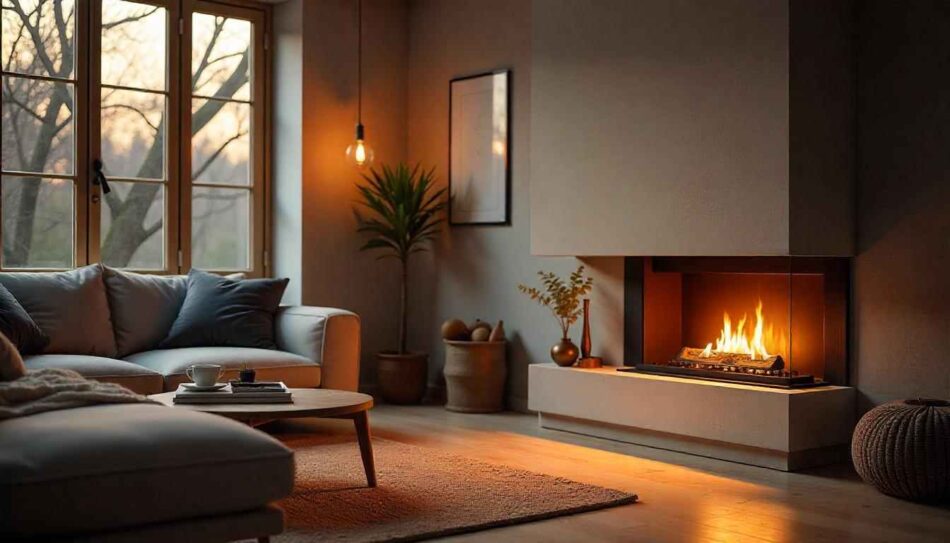
With energy prices rising across the board, many homeowners are searching for ways to cut heating costs without spending thousands on a new furnace or boiler. So the big question is: How can I lower my home heating costs without replacing my system? The good news is that there are many strategies to reduce your energy bill while keeping your current heating setup in place.
Understand Where Heat Loss Happens
The first step to cutting heating costs is identifying where your home loses heat. Even the most efficient system can’t help if heat escapes through unsealed windows, under doors, or into uninsulated attics. Heat loss forces your system to work harder, driving up your monthly bill.
Start by checking insulation in your attic, walls, and floors. If it’s lacking, upgrade it. In many cases, adding insulation to key areas can slash heating costs by 15–25%. Weatherstrip doors and windows, seal gaps with caulk, and use draft blockers under doors. These simple measures prevent warm air from leaking out and cold air from creeping in.
If you want to dig deeper into why insulation plays such a vital role in cutting heating expenses, click here for info about how different heating systems rely on a well-insulated home to perform at their best.
Improve Thermostat Control
Many homes still rely on manual thermostats, but upgrading to a programmable or smart thermostat can make a big difference. By automatically lowering the temperature when you’re asleep or away from home, you can save up to 10% annually on heating.
Setting your thermostat to 68°F when you’re home and turning it down 7–10 degrees for 8 hours a day can lead to substantial savings. Smart thermostats also learn your habits and optimize heating schedules for both comfort and efficiency.
For homes with zoned systems—like ductless mini-splits—individual thermostats in different rooms allow for even more control. Heat only the rooms you use, and reduce energy waste.
Maintain Your Current System
Regular maintenance is often overlooked but is one of the most effective ways to improve heating efficiency. Dirty filters, clogged vents, and neglected burners can all make your system work harder and consume more energy.
Whether you’re using a gas furnace, electric boiler, or heat pump, make sure to clean or replace filters every 1–3 months during the heating season. Schedule annual checkups with a professional technician who can inspect and tune your system for optimal performance.
For more in-depth guidance on how maintenance affects system efficiency and costs, you can read more from trusted home energy sources.
Maximize Sunlight and Minimize Heat Loss
Using natural resources like sunlight is another smart way to reduce reliance on your heating system. During the day, open curtains on south-facing windows to allow sunlight to warm your rooms naturally. Close them at night to keep the heat in.
Invest in heavy thermal curtains that block drafts and help trap warmth indoors. Area rugs also help insulate floors, especially in homes with tile or hardwood. These small, affordable additions can make your space feel warmer and reduce the need to constantly crank up the thermostat.
Use Supplementary Heating Wisely
In some cases, using a small space heater in a frequently used room can be more efficient than heating the entire home. This is especially true for large homes with underused areas. Just make sure your space heater is energy-efficient and safe—look for models with automatic shut-off and tip-over protection.
Zone heating with a wood stove or pellet stove is another cost-effective supplement in rural areas where wood is affordable and abundant. These units can reduce your dependence on central heating by providing powerful, localized warmth.
Final Thought
You don’t need to install a brand-new heating system to see serious savings. By combining insulation upgrades, thermostat control, maintenance, and smart heating habits, you can lower your heating costs significantly without replacing a thing.


