
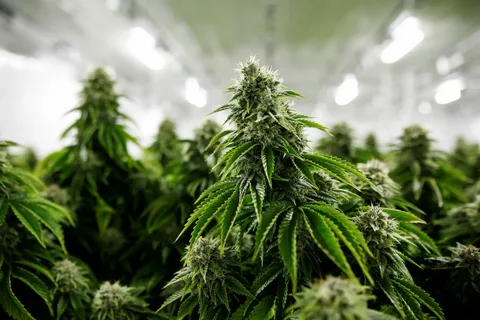
The global cannabis industry is evolving rapidly, yet one significant external factor is transforming cultivation practices at an unprecedented pace: climate change. As shifting weather patterns reshape environments across the world, cannabis growers are faced with both new challenges and opportunities. Understanding the profound implications of climate dynamics is crucial for anyone involved in cultivation, distribution, and cannabis regulation. In this article, we explore how climate change affects cannabis growth, potency, yield, and sustainability, along with strategies that secure long-term viability in an unpredictable ecological future.
The Direct Environmental Impact of Climate Change on Cannabis Growth
Rising Temperatures and Their Effects on Cannabinoid Production
Cannabis thrives within a controlled temperature range, typically between 20°C and 30°C. As global temperatures rise, regions historically known for growing cannabis are experiencing excessive heatwaves. These extreme temperatures stress cannabis plants, resulting in:
- Reduced trichome production
- Altered cannabinoid levels, especially THC and CBD
- Accelerated flowering cycles
- Poor terpene profiles due to heat degradation
While moderate increases in light and heat can boost THC levels, prolonged exposure above optimal thresholds diminishes plant quality. Growers must now adopt innovative cooling systems, shaded greenhouses, and genetic adaptation to maintain consistent cannabinoid output.
Changing Rainfall Patterns and Water Scarcity Challenges
Water is pivotal for cannabis cultivation, requiring 6 to 15 gallons per plant depending on growth stage and environment. Climate change has caused rainfall irregularities, leading to:
- Extended droughts
- Contaminated water sources due to flooding
- Competition for agricultural water supplies
- Stricter irrigation laws in water-stressed regions
Cannabis growers face increasing pressure to transition towards water-efficient cultivation systems such as:
- Drip irrigation
- Closed-loop hydroponics
- Rainwater harvesting mechanisms
Producers who invest in sustainable solutions not only reduce environmental impact but also secure long-term operational stability in a climate-strained world.
Increased Pests and Diseases: A Growing Threat to Cannabis Crops
Climate change accelerates pest migration and disease proliferation. Warmer seasons allow insects and fungi to survive year-round, invading cannabis farms and greenhouse operations. Key threats include:
- Spider mites and aphids thriving in humid, warm climates
- Botrytis cinerea (bud rot) flourishing in fluctuating humidity
- Powdery mildew spreading rapidly in damp, poorly ventilated spaces
Traditional pest control may no longer suffice. Growers must adopt Integrated Pest Management (IPM) systems combining biological controls, beneficial insects, and environmentally safe fungicides to combat climate-driven infestations.
Wildfires and Smoke Damage: A New Era of Agricultural Risk
Wildfires—now more frequent due to climate change—pose a critical challenge to cannabis cultivators. Even if fields escape the flames, smoke and ash can:
- Affect photosynthesis
- Alter terpene and cannabinoid expression
- Leave lingering contaminants, rendering crops unsellable
Regions like California have already witnessed millions in coast mountain cannabis crop losses from smoke contamination alone. Cultivators are turning to fire-resilient infrastructure, insurance diversification, and covered cultivation environments for protection.
The Impact of Climate Change on Indoor vs Outdoor Cannabis Cultivation
Outdoor Cultivation: A Struggle for Stability
Outdoor growers historically benefit from natural sunlight, but climate unpredictability now threatens consistency. Excessive rain, late frost, and heat surges can derail annual harvest cycles, making outdoor cultivation risky without advanced forecasting and adaptive genetics.
Indoor Cultivation: Increased Costs and Carbon Footprint
Indoor cannabis farming offers environmental control but escalates energy consumption. Climate change may trigger:
- Higher electricity prices
- Increased reliance on HVAC systems
- Pressure to reduce carbon emissions
To balance sustainability with yield, cultivators invest in renewable energy sources such as solar, geothermal cooling, and LED grow lights that reduce environmental stress while maintaining high-quality production.
Soil Degradation and Nutrient Imbalance
Cannabis requires nutrient-rich soil to flourish, yet climate-induced erosion, salinization, and nutrient runoff compromise soil quality. Cannabis plants become susceptible to:
- Nutrient deficiencies
- Weakened root systems
- Reduced terpene output
To safeguard soil health, growers utilize regenerative agriculture practices, including crop rotation, compost enrichment, and mycorrhizal fungi to rebuild soil ecosystems.
Genetic Innovation: Breeding Climate-Resilient Cannabis Strains
As environmental pressures intensify, breeders develop cannabis strains capable of thriving under extreme conditions. These climate-resilient genetics feature:
- Enhanced drought tolerance
- Resistance to heat and humidity stress
- Improved pest and mold resistance
- Stable cannabinoid expression under fluctuating climates
This evolution in cannabis genetics ensures cultivators can maintain both quality and yield despite global climatic shifts.
Future of Cannabis Cultivation: Opportunities in a Changing Climate
While climate change poses substantial threats, it also opens doors to new growing regions previously unsuitable for cannabis farming. Countries at higher latitudes now experience warmer climates, extending the geographical footprint of cannabis production.
Investment in:
- Smart agriculture
- AI-driven environmental analytics
- Renewable-powered cultivation
- Sustainable irrigation methods
will define the next era of cannabis agronomy, transforming challenges into strategic advantages.
Conclusion: Preparing Cannabis Cultivation for a Climate-Driven Future
Climate change is not a distant threat—it is reshaping cannabis cultivation today. From rising temperatures and shifting rainfall to expanding pest populations and wildfire risks, growers across the globe must adapt quickly to ensure crop quality and profitability. The future belongs to cultivators who adopt sustainable, technologically advanced, and genetically resilient strategies that align cannabis production with ecological realities.


