

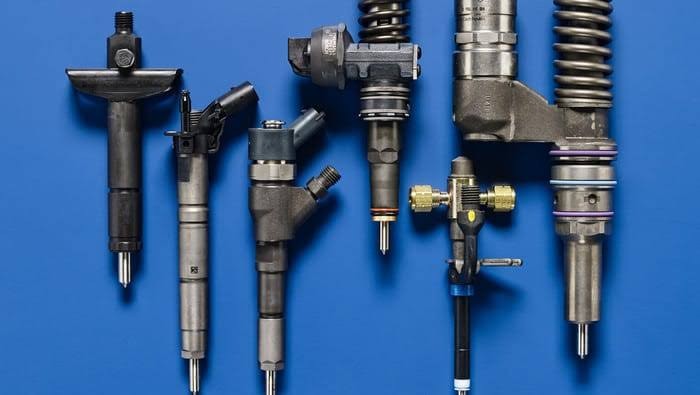
Injector nozzles are a critical component in diesel and other fuel-injected engines, directly influencing engine performance, fuel economy, and emissions. These nozzles are responsible for spraying fuel into the combustion chamber in a precise, atomized form that promotes complete combustion. Poorly functioning or worn injector nozzles can lead to uneven fuel delivery, incomplete combustion, higher fuel consumption, and increased smoke. Understanding how injector nozzles work and how they affect engine efficiency is essential for vehicle owners, fleet operators, and mechanics alike.
Properly functioning injector nozzles ensure that fuel is delivered evenly and efficiently to the combustion chamber, optimizing the engine’s power output. The shape, size, and spray pattern of each nozzle are designed to promote thorough mixing of fuel and air, ensuring efficient combustion. By maintaining or replacing worn injector nozzles, vehicle owners can prevent performance issues, reduce fuel costs, and minimize harmful emissions.
Maintaining efficient injector nozzles also protects the engine from damage. Incomplete combustion caused by faulty nozzles increases carbon buildup, leads to engine knock, and can shorten the lifespan of pistons, valves, and other critical components. Investing in high-quality injector nozzles and regular maintenance ensures reliable engine operation, better fuel efficiency, and reduced environmental impact.
The Role of Injector Nozzles in Engine Performance
Injector nozzles are a vital component in fuel-injected engines, directly impacting combustion quality, power output, and fuel efficiency. Their primary function is to atomize fuel into fine droplets and deliver it into the combustion chamber at the correct pressure and timing. Proper atomization ensures that the fuel mixes thoroughly with air, allowing for complete and efficient combustion. When injector nozzles are functioning optimally, engines can achieve better fuel economy, smoother acceleration, and reduced emissions.
The design and condition of the injector nozzle significantly influence performance. Nozzle tip size, spray pattern, and hole configuration determine how evenly fuel is distributed in the combustion chamber. For example, multi-hole nozzles provide a finer, more uniform spray, promoting complete combustion even at varying engine speeds. Conversely, worn or clogged nozzles produce uneven fuel distribution, leading to incomplete combustion, engine knocking, or poor acceleration. Maintaining injector nozzles in good condition ensures that fuel burns efficiently, directly contributing to engine efficiency and longevity.
Another key aspect of injector nozzles is their timing and pressure control. Modern engines rely on precise injection events to maximize efficiency. Any deviation caused by nozzle wear, clogging, or incorrect calibration can reduce the engine’s overall performance. Over time, this can lead to higher fuel consumption, increased smoke, and greater wear on engine components. Proper selection and maintenance of injector nozzles are therefore critical for ensuring reliable engine performance and optimal fuel utilization.
Common Issues Caused by Faulty Injector Nozzles
Faulty or worn injector nozzles can severely impact engine efficiency and performance. One of the most obvious symptoms is reduced fuel economy. When nozzles fail to atomize fuel properly, combustion becomes incomplete, and more fuel is required to produce the same power. This not only increases operating costs but also places additional strain on the engine.
Excessive smoke from the exhaust is another common issue linked to injector nozzle problems. Black smoke typically indicates unburned fuel due to poor atomization, while blue or white smoke can suggest oil burning or fuel leakage caused by damaged nozzles. These issues not only reduce efficiency but also increase harmful emissions, affecting environmental compliance.
Other symptoms include rough idling, misfires, engine knocking, and decreased acceleration. Worn or clogged injector nozzles fail to deliver fuel uniformly, causing uneven combustion cycles. This uneven operation stresses engine components such as pistons, valves, and cylinder walls, reducing the overall lifespan of the engine. Regular inspection, cleaning, or replacement of injector nozzles ensures that the engine maintains optimal efficiency, performance, and reliability.
By understanding the role and importance of injector nozzles, vehicle owners and technicians can take proactive measures to maintain them. High-quality, well-maintained nozzles improve combustion efficiency, enhance engine power, reduce emissions, and extend the life of critical engine components. Proper care ensures the engine operates at peak efficiency under all conditions.
Understanding Injector Nozzles

Function of Injector Nozzles
Injector nozzles atomize fuel and deliver it into the combustion chamber in a precise spray pattern. This ensures complete fuel combustion and optimal engine performance.
Components of an Injector Nozzle
- Nozzle tip: Atomizes fuel into fine droplets for efficient combustion.
- Needle valve: Regulates fuel flow and opens at specific pressures.
- Spring mechanism: Controls needle operation for consistent injection timing.
- Seals and body: Prevent fuel leaks and maintain structural integrity.
How Nozzles Influence Engine Performance
The efficiency of fuel atomization and delivery directly affects combustion quality, power output, and fuel consumption. Worn or clogged nozzles cause misfires, poor acceleration, rough idling, and higher emissions.
Benefits of Maintaining High-Quality Injector Nozzles
Enhanced Fuel Efficiency
Properly atomized fuel burns more completely, reducing fuel consumption and lowering operating costs.
Improved Engine Performance
Efficient injectors provide consistent fuel delivery, resulting in smooth acceleration, better throttle response, and optimal power output.
Reduced Emissions
Complete combustion minimizes unburned fuel and particulate matter, helping engines comply with emission standards.
Longer Engine Life
Efficient fuel delivery prevents excessive carbon buildup, reduces stress on engine components, and extends overall engine longevity.
Types of Injector Nozzles
Pintle Nozzles
Pintle-style nozzles provide durability and are common in heavy-duty diesel engines. They offer reliable performance but may produce slightly less uniform fuel spray patterns.
Hole-Type Nozzles
These nozzles feature multiple small holes for fine atomization and improved spray distribution, enhancing fuel efficiency and combustion quality.
Electronic or Solenoid-Controlled Nozzles
Advanced electronic injectors use solenoids or piezo technology to precisely control injection timing and fuel quantity, providing superior performance in modern diesel engines.
Signs You Need Injector Nozzle Maintenance
Poor Acceleration or Power Loss
If the engine struggles to deliver expected power, nozzle wear or clogging could be a contributing factor.
Excessive Smoke
Black or white smoke indicates incomplete combustion, often caused by worn or dirty injector nozzles.
Rough Idling
Uneven fuel delivery can cause vibration, knocking, or irregular engine idle.
Increased Fuel Consumption
Inefficient atomization results in higher fuel usage, signaling a possible injector nozzle issue.
Maintenance Tips for Injector Nozzles
Regular Cleaning
Professional cleaning removes carbon deposits and ensures the nozzle spray pattern is accurate.
Use High-Quality Fuel
Clean, high-grade fuel reduces contaminants that can clog injector nozzles and maintain performance.
Periodic Inspections
Regularly inspecting nozzle tips, seals, and flow characteristics prevents failure and ensures consistent engine efficiency.
Timely Replacement
Replacing worn or damaged nozzles restores optimal fuel atomization, protecting engine components and improving overall performance.
Advantages of Proper Injector Nozzle Maintenance
Consistent Fuel Delivery
Maintains uniform fuel flow for smooth engine operation and improved combustion.
Improved Combustion Efficiency
Fine atomization ensures complete fuel burn, enhancing power and reducing emissions.
Reduced Engine Wear
Prevents excessive stress on pistons, valves, and cylinder walls caused by incomplete combustion.
Cost Savings
Efficient injectors lower fuel consumption, reduce maintenance costs, and prevent expensive engine repairs.
Frequently Asked Questions
What are injector nozzles?
Injector nozzles are components that atomize fuel and deliver it precisely into the combustion chamber for efficient and complete combustion.
How do injector nozzles affect engine efficiency?
They control fuel atomization and spray pattern, directly influencing combustion quality, power output, and fuel consumption.
When should injector nozzles be replaced?
Signs include poor acceleration, excessive smoke, rough idling, or increased fuel consumption.
Can cleaning restore injector nozzles?
Yes, professional cleaning can remove carbon buildup and restore performance, but severely worn or damaged nozzles should be replaced.
Does fuel quality impact injector nozzle performance?
Absolutely. High-quality fuel prevents clogging and carbon buildup, extending nozzle life and maintaining engine efficiency.


