
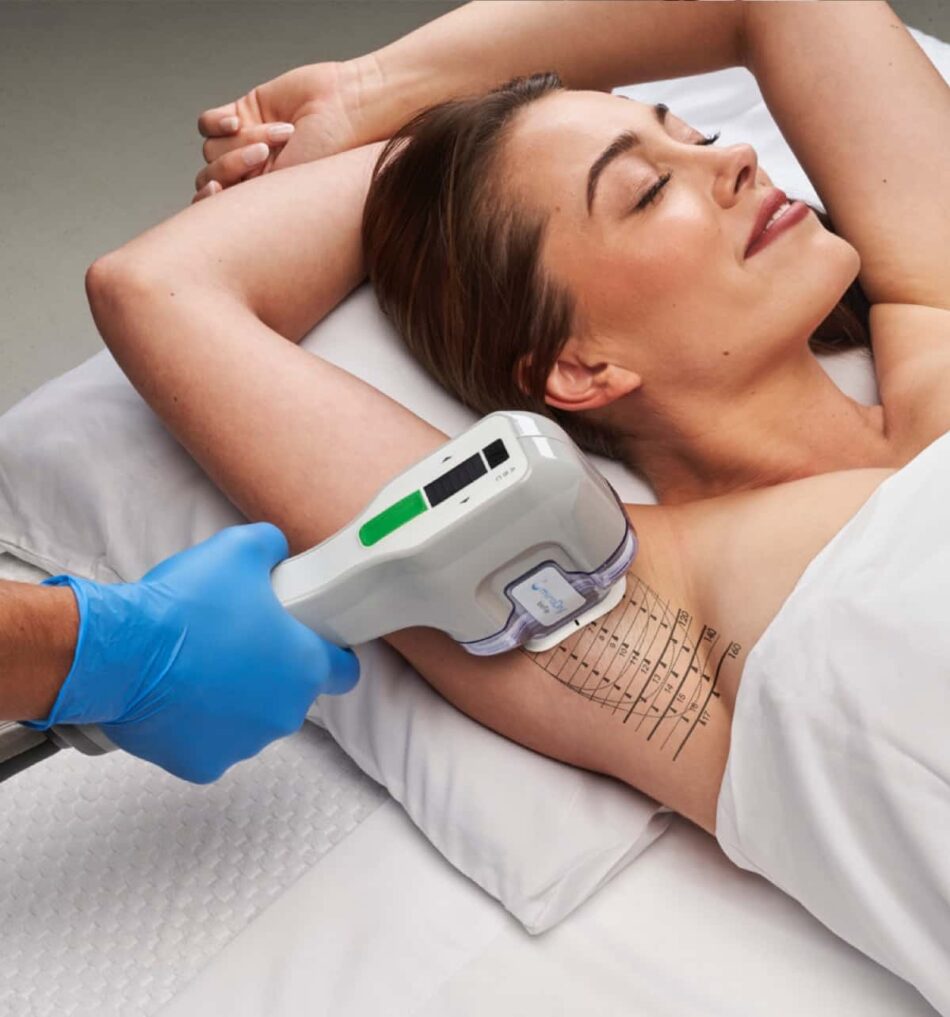
Living in a hot and humid climate can make excessive sweating more than just a minor annoyance, especially for those with hyperhidrosis. Residents of Abu Dhabi looking for relief have access to several non-surgical options. Hyperhidrosis Treatment in Abu Dhabi offers a variety of approaches that vary in technique and effectiveness, allowing individuals to select a solution tailored to their specific needs, lifestyle, and the areas affected. Here’s an overview of the main non-surgical hyperhidrosis treatments, how they work, the areas they target, and what to expect during treatment.
What Is Hyperhidrosis and Who It Affects
Hyperhidrosis is characterized by excessive sweating beyond what the body needs for temperature regulation. It can occur in the underarms, hands, feet, face, scalp, or other areas. Some people experience primary hyperhidrosis, where no underlying medical condition is present, while others have secondary hyperhidrosis triggered by another health condition or medication.
Excessive sweating can affect confidence, social interactions, and daily activities. Those who experience hyperhidrosis often find practical challenges in personal and professional settings, making effective treatment a valuable solution.
Main Non-Surgical Treatment Options
Several non-surgical and minimally invasive treatment options exist for managing hyperhidrosis. These approaches aim to reduce sweat gland activity without requiring surgery.
Topical Antiperspirants and Medical-Strength Formulations
Medical-grade antiperspirants are applied directly to the affected areas, such as underarms, hands, or feet. These products typically contain active ingredients that temporarily block sweat production. Regular use can provide significant reduction in perspiration, especially for mild to moderate cases of hyperhidrosis.
Iontophoresis
Iontophoresis is commonly used for hands and feet. This method involves immersing the affected areas in water while a low-level electrical current passes through. Repeated sessions can provide noticeable reduction in sweating, making it a practical option for those who have not had sufficient relief from topical treatments.
Neuromodulator Injections
Injections of Botulinum toxin, commonly known as Botox, are another effective non-surgical option. These injections block nerve signals that activate sweat glands, significantly reducing sweating in treated areas like underarms, hands, feet, or other localized regions. The effects generally last several months before a follow-up session is needed.
Energy-Based Therapies
Energy-based treatments such as microwave, radiofrequency, or laser therapies target and disrupt overactive sweat glands beneath the skin. These treatments can provide longer-lasting results with fewer sessions and are particularly useful for individuals seeking reliable, sustained reduction in sweating.
Oral Medications
For widespread hyperhidrosis, oral medications may be considered. These medications work internally to reduce overall perspiration and are typically reserved for cases that do not respond well to topical or localized treatments.
Choosing the Right Treatment
The best treatment depends on the location, severity, and frequency of sweating, as well as the individual’s preferences. Mild localized sweating may respond well to topical antiperspirants. Sweaty palms or feet may benefit from iontophoresis. For longer-lasting results or areas that are difficult to treat, neuromodulator injections or energy-based therapies may be ideal. Oral medications may be an option for generalized hyperhidrosis.
Often, a combination of treatments provides optimal results. For example, topical antiperspirants can be used alongside injections or energy-based therapy for enhanced effectiveness.
What to Expect During Treatment
Treatment sessions are generally brief and designed for comfort. Topical treatments require simple daily application, while iontophoresis sessions may last 20–40 minutes each. Neuromodulator injections and energy-based therapies are usually performed in short sessions with minimal discomfort. Most treatments allow individuals to return to their normal activities immediately after the procedure.
Results vary depending on the treatment and individual response. Some people notice improvement within days or weeks, while others experience gradual results over multiple sessions. Maintenance sessions may be needed to sustain long-term benefits.
Benefits of Non-Surgical Hyperhidrosis Treatments in Abu Dhabi
Non-surgical treatments offer practical solutions for managing excessive sweating in Abu Dhabi’s warm climate. These treatments generally require minimal downtime and help improve comfort, confidence, and quality of life. Individuals can participate in social, professional, and physical activities without worrying about visible sweat marks or discomfort.
FAQs About Hyperhidrosis Treatments
What non-surgical treatments are available for hyperhidrosis?
Available options include medical-grade topical antiperspirants, iontophoresis, neuromodulator injections, energy-based therapies, and oral medications.
Which treatment works best for sweaty hands or feet?
Iontophoresis is particularly effective for treating excessive sweating in hands and feet.
What if antiperspirants don’t work?
If topical treatments are insufficient, options such as neuromodulator injections or energy-based therapies can provide more significant relief.
Are there non-surgical options for long-term results?
Yes. Energy-based therapies and neuromodulator injections can provide longer-lasting reduction in sweating compared to temporary measures.
Can treatments be combined?
Yes. Combining treatments, such as using topical antiperspirants with occasional injections, often improves overall results.
Are these treatments suitable for generalized hyperhidrosis?
Yes. Some treatments, including oral medications or certain energy-based therapies, are appropriate for widespread excessive sweating.


