
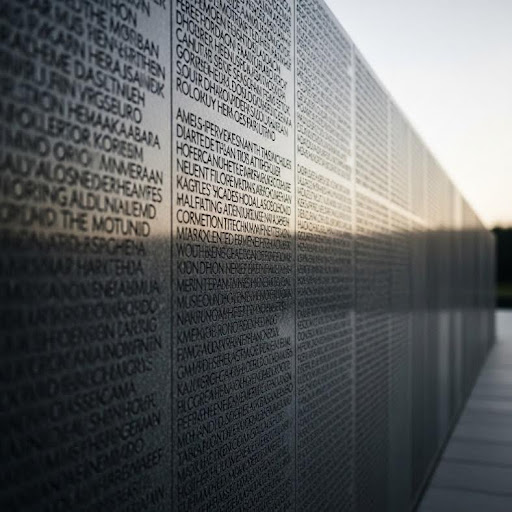
Some war stories tell you what happened. Others show you what it felt like. The Wall (The Wall and Beyond) by Aaron McCammon does both with rare honesty and emotional power. Through the eyes of Mark “Doc” Holliday, a former football star turned Vietnam soldier, readers experience war as a personal journey through heartbreak, combat, friendship, and survival. This is not a distant history lesson. This is a human life in motion.
The novel follows Doc’s point of view. His thoughts, memories, and struggles establish a direct connection between the reader and the character. His voice is strong, honest, and unfiltered. He speaks with the weight of someone who has lived through trauma and still carries its scars.
First-Person Perspective Creates a Deeper Connection
In The Wall, first-person storytelling pulls the reader into every moment. When Doc is leading his squad under sniper fire, the tension becomes real. When he lies awake after a patrol with a sense of dread, we feel it with him. The reader does not observe these events from a distance. The reader lives them.
Doc’s grief over the sudden loss of Mary Adams, his high school sweetheart, is deeply personal. His internal voice captures the emotional shock of that moment. Later, his struggles with PTSD unfold through flashbacks, confusion, and guilt. These emotions are not explained. They are experienced.
Relationships Build the Heart of the Story
The friendships in The Wall bring warmth and humanity to a brutal setting. Doc’s bond with squadmates like Johnny Webster, Juan Carlos Menendez, and Jerry “MoTown” Miller gives the novel its emotional core. These men are not just soldiers. They are individuals with personalities, fears, and moments of humor. They tease each other. They save each other. They depend on each other.
Doc’s love story with Mary Chandler also shows the healing side of human connection. She is a nurse who helps him face his pain. Through their quiet moments, the novel explores how love can survive even in the aftermath of war.
The Wall as a Place of Reckoning
The Vietnam Veterans Memorial becomes the emotional center of the novel. When Doc visits the Wall, he confronts both memory and reality. He sees the names of the men he served with. His vision blurs. His emotions rise. The experience is haunting and powerful.
This moment captures what war leaves behind. The Wall becomes a place of reckoning. Doc does not just remember the war. He relives it. His reaction at the Wall shows how memory can be both painful and healing.
Symbols Strengthen the Emotional Impact
The Montagnard bracelet given to Doc by a grateful Vietnamese village becomes a powerful symbol. It represents honor, sacrifice, and connection. Doc receives it after helping save the village. Later in life, he reunites with Cara Nguyen, a child he once protected. The bracelet links the past to the present. It shows how one act of courage can echo across time.
A Veteran’s Voice Brings Authenticity
Aaron McCammon served in Vietnam. His experience gives the novel credibility and depth. He understands the details of combat. He knows the emotions soldiers carry. This personal knowledge fills every scene with realism. The sound of an M-16, the stress of command, the silence after loss, these moments come from truth, not research.
Doc’s voice speaks for all who have lived through trauma and carried it home. His story reveals the power of friendship, the pain of memory, and the strength it takes to keep going.
Readers do not just read The Wall (The Wall and Beyond). They feel it. They remember it.
And in remembering, they honor those who lived it.


