
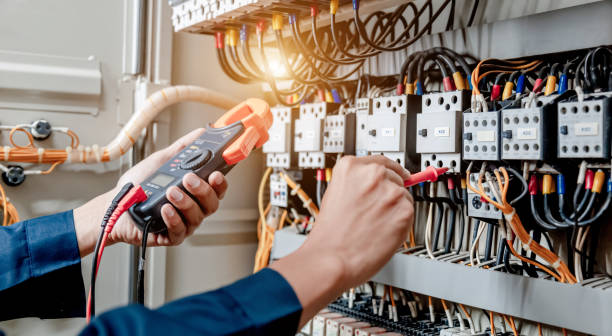
When it comes to your home’s electrical system, safety and efficiency should always be a top priority. Proper wiring not only ensures that your devices and appliances function properly, but it also helps protect your home from potential hazards. Whether you’re building a new home, upgrading your current system, or just want to understand how to keep things running smoothly, this guide will walk you through the essential steps for safe and efficient home wiring.
Understanding Electrical Wiring Basics
Before diving into the details, it’s important to understand the basics of electrical wiring. Every electrical system in your home operates using a network of wires that connect outlets, switches, lights, and appliances to a power source. These wires carry electrical currents, but if not installed or maintained correctly, they can pose serious risks such as short circuits, fires, and electrical shocks.
The key components of a basic electrical system include the service panel (also known as the breaker box), circuit breakers, wires, and outlets. The service panel distributes power from the utility company to the rest of your home, while circuit breakers protect against overloads. The wires transmit electricity, and outlets provide a safe place to plug in appliances.
The Importance of Proper Installation
Proper installation of electrical wiring is critical to both safety and efficiency. An improperly installed electrical system can result in short circuits, sparks, and even fires. That’s why it’s always a good idea to hire licensed professionals for any major wiring work. It’s also essential to follow local building codes, as these codes are designed to ensure safety and avoid potential issues.
In addition, you should never attempt to tackle major electrical work unless you are fully trained. Even experienced DIYers should avoid working with live wires, as improper handling can lead to injury or damage.
Tips for Safe and Efficient Wiring
-
Use the Right Gauge Wire
Different appliances and systems require different types of wiring. Using the correct gauge (thickness) of wire ensures that electrical currents flow safely without causing overheating or fires. Always follow the manufacturer’s recommendations for wiring specifications. -
Avoid Overloading Circuits
Overloading a circuit is one of the most common causes of electrical problems. Avoid plugging too many devices into a single outlet or extension cord. Spread out appliances across different circuits to ensure a balanced load and prevent overheating. -
Regularly Check Your Wiring
It’s important to check your home’s electrical system regularly for any signs of wear or damage. Over time, wires can deteriorate, especially if they’re exposed to moisture or heat. If you notice any flickering lights, burning smells, or sparking outlets, it’s time to call an expert for an inspection. -
Upgrade Outdated Wiring
Older homes often have outdated wiring that may not be up to modern standards. This can lead to inefficiency and safety concerns. If your home still has aluminum wiring, cloth-insulated wire, or outdated circuit breakers, consider upgrading to newer, safer materials. -
Install GFCI Outlets in High-Risk Areas
Ground Fault Circuit Interrupter (GFCI) outlets are designed to protect against electrical shock, especially in areas where water is present, like bathrooms, kitchens, and outdoor spaces. These outlets automatically cut off power when they detect a fault, adding an extra layer of safety to your home.
The Role of Electrical Services in Ensuring Safety
Many homeowners attempt to address minor electrical issues themselves, but there are certain situations where it’s best to call in professionals. Electrical services can help with everything from installing new wiring to troubleshooting complicated problems. If you’re planning any major electrical upgrades or repairs, hiring a licensed electrician ensures that the job is done safely and correctly.
Professionals can inspect your home’s wiring and provide recommendations on how to improve safety and efficiency. They can also install smart home devices, which help manage your energy usage more effectively and save you money in the long run. So when in doubt, don’t hesitate to reach out to experts for assistance.
Common Signs of Faulty Wiring
Faulty wiring can cause a variety of problems, some of which can be dangerous. If you notice any of these common signs, it’s time to schedule an inspection:
-
Frequent Circuit Breaker Tripping: If your circuit breaker trips frequently, it’s a sign that something is wrong with your wiring or the load on the circuit is too heavy.
-
Flickering or Dimming Lights: If your lights flicker or dim without reason, it may indicate a loose or faulty connection in your wiring.
-
Burning Smells: A burning smell or scorch marks near outlets or switches could indicate overheating wires, which is a fire hazard.
-
Buzzing or Crackling Sounds: If you hear unusual noises from your electrical outlets or switches, it could mean that wires are loose or damaged.
Ignoring these signs could lead to bigger issues, so it’s important to address them promptly.
Energy-Efficient Wiring: Save Money and the Environment
Wiring your home efficiently isn’t just about safety—it’s also about reducing energy consumption. By installing energy-efficient systems like LED lighting, smart thermostats, and solar-powered devices, you can reduce the load on your electrical system and lower your utility bills.
One of the easiest ways to improve energy efficiency is by upgrading to energy-efficient appliances and using the appropriate wiring for those devices. In addition, consider adding insulation around exposed wiring to prevent heat loss and save energy.
Conclusion
Wiring is a vital part of your home’s electrical system, and it plays a significant role in both safety and energy efficiency. By ensuring that your wiring is installed properly, regularly inspected, and maintained, you can avoid costly repairs and potential hazards. Remember that if you’re unsure about your home’s wiring or need major upgrades, always consult a professional for assistance. Prioritizing safety and efficiency will not only protect your home but also save you money in the long run.


