
Introduction
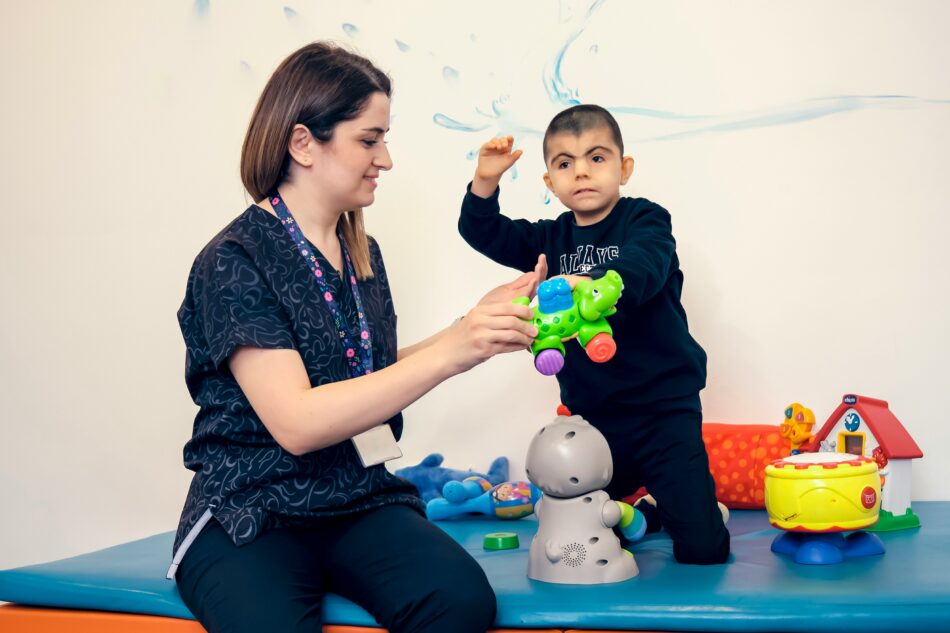
For children with Cerebral Palsy (CP), sensory challenges are often as significant as motor difficulties. Many kids with CP experience difficulty processing sensory input, such as touch, movement, balance, or spatial awareness. This can affect learning, communication, and emotional regulation.
Traditional sensory therapy involves structured exercises with equipment like swings, textured mats, or balance boards. While effective, these methods can sometimes feel repetitive or inaccessible for families at home.
This is where online games for cerebral palsy provide a groundbreaking alternative. By blending digital play with therapeutic goals, children can practice sensory integration in fun, engaging, and motivating ways—without needing specialized equipment.
What Is Sensory Integration?
Sensory integration is the brain’s ability to take in, organize, and interpret information from the senses to respond appropriately.
Children with CP may experience:
-
Over-responsiveness – becoming overwhelmed by sound, light, or touch.
-
Under-responsiveness – needing stronger stimulation to react.
-
Difficulty integrating multiple senses – struggling to combine visual, auditory, and physical inputs simultaneously.
Sensory integration therapy helps children learn to regulate these responses, improving focus, self-control, and functional independence.
How Online Games Help with Sensory Processing
1. Visual-Motor Integration
Games requiring children to move in response to visual cues (e.g., catching objects or tracing shapes) improve coordination between vision and motor actions.
2. Proprioception and Body Awareness
Movement-based games encourage children to understand their body’s position in space, strengthening balance and posture.
3. Auditory Processing
Interactive games with sound cues enhance listening skills and help children learn to follow instructions.
4. Multi-Sensory Engagement
Games combine sound, visuals, and motion, creating opportunities for children to practice integrating multiple sensory inputs in real time.
5. Regulation and Focus
By providing controlled sensory input, games reduce overstimulation and help children develop better self-regulation strategies.
WonderTree’s Sensory-Focused AR Games
WonderTree has designed a variety of games that support sensory integration for children with CP:
-
Balance It: Encourages core strength, balance, and spatial awareness.
-
Scoop’d: Improves hand-eye coordination and proprioception.
-
Color Match Games: Develop visual processing and reaction times.
Because these games run on any webcam-enabled device, children can practice therapy from home while still experiencing professional-level interventions.
👉 Check out more about digital sensory therapy games for CP that make therapy playful and impactful.
Benefits Beyond Therapy
-
Accessible Anywhere – No need for expensive equipment; just a computer and webcam.
-
Motivating for Children – Bright visuals and fun challenges increase willingness to participate.
-
Parental Involvement – Games allow families to actively engage in therapy sessions.
-
Trackable Progress – Built-in dashboards help parents and therapists measure improvements.
-
Inclusive Play – Siblings and peers can join in, creating social opportunities.
Practical Tips for Parents and Therapists
-
Start Slow: Introduce games gradually, especially if your child is sensitive to sensory input.
-
Create a Routine: Daily short sessions build stronger outcomes than occasional long ones.
-
Adapt Environment: Minimize background noise or distractions to enhance focus.
-
Celebrate Wins: Reward small achievements like longer attention spans or smoother balance.
Real-Life Impact
Occupational therapists using WonderTree’s sensory-focused games report that children show increased tolerance for sensory input after just a few weeks. Parents notice improvements in coordination, focus, and willingness to try new activities.
By making therapy fun and interactive, children are no longer resistant—instead, they eagerly anticipate their sessions.
Conclusion
For children with cerebral palsy, sensory integration is crucial for building independence, confidence, and participation in everyday activities. Online games transform this essential therapy into an engaging experience, bridging the gap between clinical support and home practice.
Platforms like WonderTree are redefining how therapy is delivered, giving children the chance to grow, learn, and thrive in ways that are motivating and accessible. By making therapy feel like play, children not only improve their sensory skills but also discover the joy of learning through movement and interaction.


