
In our fast-paced, convenience-driven world, tiny items like plastic stir sticks often go unnoticed. Whether used to mix coffee, tea, or cocktails, these small, single-use plastic tools have quietly become a significant source of environmental concern. While they may seem harmless due to their size, their widespread use and improper disposal contribute massively to plastic pollution across the globe.
In this blog, we’ll explore how plastic stir sticks affect our environment, why we need to rethink their use, and what sustainable alternatives are available. Along the way, we’ll also discuss related elements like standard straw length, straw covers, and the straw that changed modern beverage culture.
1. Understanding Plastic Stir Sticks
Stir sticks, also known as coffee stirrers, are small plastic rods used for blending beverages. They are commonly found in coffee shops, offices, airplanes, and restaurants. Typically made from polystyrene or polypropylene, these plastics are lightweight, inexpensive, and easy to produce — making them the go-to choice for disposable beverage accessories.
However, their very convenience is also their curse. Unlike organic materials, plastic does not biodegrade easily. Instead, it breaks down into microplastics that persist in the environment for hundreds of years, polluting oceans, harming wildlife, and entering our food chains.
2. The Scale of the Problem
It’s estimated that billions of stir sticks are used and discarded every year. Because of their small size and light weight, they often slip through recycling systems and end up in landfills or the natural environment.
According to environmental studies, plastic stir sticks rank among the top 10 single-use plastic items found during coastal cleanups. Similar to straws, they are often seen floating in rivers, lakes, and oceans, where they become part of the growing marine debris problem.
When compared to standard straw length items like drinking straws, stir sticks may seem insignificant. But collectively, their impact is substantial. A single coffee shop chain can use thousands of them daily — adding up to tons of non-biodegradable waste each year.
3. How Plastic Stir Sticks Affect the Environment
- a) Pollution and Marine Life
Once discarded, plastic stir sticks often find their way into waterways through storm drains or littering. Marine animals like turtles, fish, and seabirds can mistake these small plastics for food, leading to choking or internal injuries.
Over time, these plastics break down into microplastics, which are then consumed by marine organisms. These microplastics move up the food chain, ultimately affecting human health as well.
- b) Non-Biodegradable Nature
Plastics used in stir sticks take hundreds of years to degrade. Even after breaking down, they don’t disappear; instead, they become micro-sized particles that persist in soil and water. This continuous accumulation leads to long-term environmental degradation.
- c) Contribution to Carbon Footprint
From production to disposal, plastic stir sticks contribute to carbon emissions. Manufacturing plastic requires fossil fuels, and their transportation and incineration further add to greenhouse gas emissions — intensifying the global climate crisis.
4. Comparing Stir Sticks and Straws
Though both stir sticks and straws serve beverage-related functions, their use patterns differ. While standard straw length straws are designed for drinking, stir sticks are primarily for mixing. Yet both share a similar fate — single use followed by disposal.
Both items are made from similar types of plastic and contribute equally to littering issues. This is why global efforts to ban plastic straws have often included stir sticks in the same category.
Interestingly, the straw that started the global anti-plastic movement wasn’t just any straw — it became a symbol of change. The viral video of a turtle with a straw lodged in its nose sparked international outrage, leading governments, businesses, and consumers to rethink single-use plastics. This awareness has gradually extended to stir sticks as well.
5. The Hidden Dangers of Ignoring Stir Sticks
Ignoring the environmental impact of stir sticks can have severe long-term consequences:
- Waste buildup: Millions of tiny plastics accumulate in landfills, taking up space and releasing toxic chemicals as they degrade.
- Toxic leaching: When exposed to sunlight or heat, plastics can leach chemicals like BPA and styrene into the environment.
- Ecosystem disruption: Small plastics can disrupt aquatic ecosystems by blocking light or altering nutrient cycles.
- Human health risks: Through the food chain, microplastics from stir sticks may end up in seafood and drinking water.
6. Sustainable Alternatives to Plastic Stir Sticks
Thankfully, eco-friendly alternatives are emerging as businesses and consumers become more environmentally conscious. Let’s explore some sustainable substitutes:
- a) Wooden Stir Sticks
Wooden stir sticks are one of the most popular alternatives. Made from renewable resources, they are biodegradable and compostable. Many coffee shops have already switched to wood stirrers to minimize plastic waste.
- b) Bamboo Stir Sticks
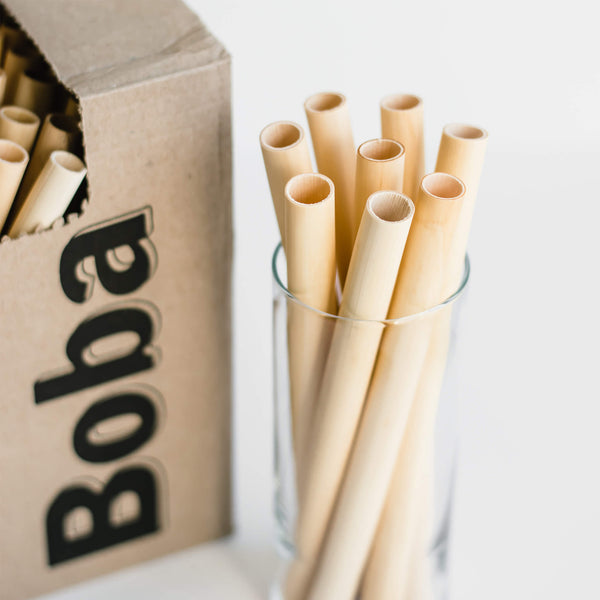
Bamboo stir sticks are durable, reusable, and fully biodegradable. They are ideal for cafes and restaurants looking for a more natural aesthetic while maintaining sustainability.
- c) Metal or Stainless-Steel Stirrers
Reusable metal stirrers eliminate the need for single-use options altogether. They are durable, easy to clean, and last for years — a perfect choice for both commercial and household use.
- d) Paper or Compostable Options
Some companies now produce compostable stir sticks made from materials like PLA (polylactic acid), a plant-based plastic alternative. These break down more easily than traditional plastics and have a much smaller environmental footprint.
7. The Role of Straw Covers and Sustainable Design
As part of eco-friendly packaging, straw covers also play a vital role in reducing plastic waste. Many beverage companies now use paper straw covers or biodegradable materials to replace traditional plastic wrappings.
By rethinking simple packaging elements like straw covers, companies can further minimize their overall environmental footprint. The same approach can be applied to stir sticks, ensuring that both the product and its packaging are sustainable.
In many sustainable cafes, stir sticks and straws are now being redesigned to match standard straw length for practical use, while ensuring eco-friendly materials like bamboo, paper, or cornstarch-based plastics are used instead of conventional plastics.
8. Corporate Responsibility and Policy Changes
Governments around the world have started to take action against single-use plastics. Several countries, including Canada, the UK, and members of the European Union, have banned or restricted items such as plastic stir sticks and straws.
Corporations are also stepping up. Global brands like Starbucks and McDonald’s have phased out plastic stir sticks, replacing them with wooden or paper alternatives.
For businesses, embracing sustainable practices not only helps the planet but also enhances brand reputation. Today’s consumers prefer companies that care about the environment. By adopting eco-friendly stir sticks and straw covers, businesses can attract environmentally conscious customers and contribute to a greener future.
9. What You Can Do as a Consumer
Even individual actions can make a big difference. Here’s how you can help reduce the impact of plastic stir sticks:
- Say no to plastic stir sticks — bring your own reusable stirrer or spoon.
- Support eco-friendly brands that use sustainable materials.
- Spread awareness about the issue through social media or community programs.
- Recycle responsibly and avoid littering.
- Encourage cafes and restaurants to switch to biodegradable alternatives.
Small changes, when adopted by many, can lead to big transformations.
10. The Future of Stir Sticks and Beverage Accessories
The future of stir sticks lies in innovation and sustainability. With increasing awareness and environmental regulations, the world is shifting towards biodegradable materials, recyclable designs, and zero-waste packaging.
We are already seeing companies experiment with plant-based plastics, edible straws, and paper stir sticks that dissolve naturally after use. Soon, the days of harmful single-use plastics like the straw that started a movement — and its cousin, the stir stick — will be behind us.
11. Final Thoughts
The story of plastic stir sticks may seem small, but it represents a much larger issue — the overreliance on single-use plastics. While they serve a simple purpose, their long-term environmental cost is far too great.
By choosing sustainable alternatives, adopting eco-friendly straw covers, and understanding the environmental cost of even tiny plastic items, we can all contribute to protecting our planet.
Every small decision matters — whether it’s saying no to a plastic stir stick or switching to a reusable option. Together, these small actions create a ripple effect that leads to real, lasting change.
🌿 Call to Action (CTA)
Let’s make a difference — one sip at a time!
Join the movement for a cleaner, greener planet by saying NO to plastic stir sticks and supporting eco-friendly alternatives. Visit our sustainable products section to explore biodegradable stir sticks, straw covers, and more.
Website: https://www.haystraws.com


