
🥩 Why Choosing the Right Frozen Meat Supplier Matters
When you buy frozen meat — whether for a restaurant, retail shop, or home kitchen — selecting a reliable supplier is about more than just price. The supplier affects meat quality, safety, freshness, and overall consistency. Poor handling or improper storage can lead to spoilage or health risks. A trustworthy supplier ensures proper freezing, handling, and transparent sourcing, which in turn protects your reputation (if you’re a retailer) or your family’s health (if you’re an individual buyer).
Given increasing demand for convenience and “ready‑to‑cook” foods — especially frozen meat — it’s more important than ever to know what to look for.
✅ What to Look For When Selecting a Frozen Meat Supplier
Here are the key criteria you should evaluate when vetting frozen‑meat suppliers:
Cold‑Chain Integrity & Temperature Control
-
Supplier must maintain consistent freezing/storage temperatures from processing to delivery and storage. This ensures safety and preserves meat quality.
-
Delivery vehicles and storage units should be insulated and monitored.
Hygiene, Safety & Compliance
-
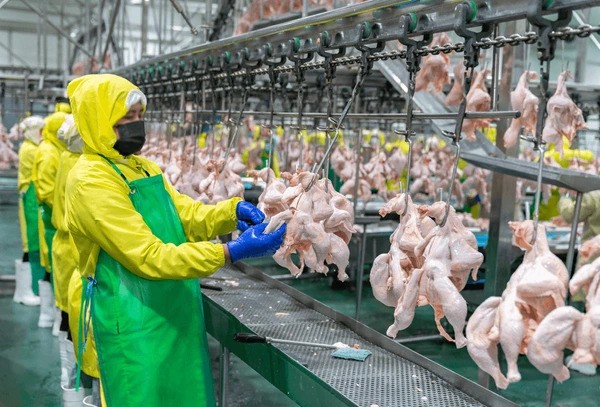
The facility should comply with food‑safety and hygiene standards.
-
Good suppliers often have safety/inspection certificates or documentation.
-
Proper handling during packaging and transport to avoid contamination.
Packaging Quality & Labeling
-
Meat should be vacuum sealed or tightly wrapped to avoid freezer burn or contamination.
-
Labels should clearly state cut type, weight, packaging date, and origin.
Transparency & Traceability
-
Reliable suppliers provide information about the source (farm or slaughterhouse), processing and packing date, and history of storage.
-
This traceability helps ensure quality and consumer trust.
Consistent Supply & Logistics
-
For businesses, regular, dependable deliveries are essential to avoid stock-outs and maintain inventory flow.
-
For individuals, supplier availability and delivery schedule matter — especially in areas where freezing/transport conditions may be challenging.
Fair Pricing & Value, Not Just Low Cost
-
Extremely cheap prices may hide compromised quality or shortcuts in storage/handling.
-
Aim for good value — fair price balanced with quality, safety, and trustworthiness.
Good Customer Service & Communication
-
Supplier should respond to queries about cuts, availability, delivery schedules, and safety standards.
-
Transparency about any delays, changes, or issues is a sign of professionalism.
✔️ Best Practices When Working With Frozen Meat Suppliers
Whether you’re a retailer, restaurant owner, or home buyer — applying these practices helps ensure quality and minimize risks:
-
Request documentation — ask for origin, processing date, and safety certificates when buying.
-
Inspect packaging on delivery — don’t accept packages with torn wrapping, signs of thawing, or visible freezer‑burn.
-
Label and rotate stock (FIFO: First In, First Out) — especially important for retailers or restaurants, to ensure older stock gets used first.
-
Maintain proper storage at your end — ensure your freezer is at stable freezing temperature and avoid frequent opening which may raise internal temperature.
-
Have backup suppliers — don’t rely on just one source; having alternatives helps if there’s supply disruption or quality issues.
-
Communicate clearly and regularly — maintain open lines with your supplier about demand, quality expectations, and delivery logistics.
-
Avoid over‑promotional tone — even if you run a business, write about suppliers with transparency, honesty, and focus on quality over marketing hype. This makes the content more credible and likely to be accepted by sites like Article Productions.
🌍 Why This Matters — Especially in Challenging Climates
In regions with high ambient temperature or unreliable electricity/storage facilities — as found in many places — these considerations become even more critical. Without proper cold‑chain management, meat quality can degrade rapidly.
-
Insist on insulated transport and cold‑storage facilities with backup power.
-
Prefer suppliers with shorter supply chains — less time in transit reduces risk of temperature fluctuations.
-
Always check packaging upon delivery for signs of melting or refreezing.
🧾 How to Use This Guide (For Businesses & Individuals)
-
If you own a restaurant or retail shop: Use this as a supplier checklist — require documentation, inspect packaging and storage, and maintain records.
-
If you’re a home buyer: Use these criteria to choose trusted suppliers only — and ensure safe storage at home.
-
If you’re writing a blog or informational post (like this one): Use clear headings, actionable tips, and transparent, honest advice. That matches the style accepted by general guest‑post platforms.
📢 Final Thoughts
Selecting a reliable frozen‑meat supplier isn’t just about saving money — it’s about ensuring quality, safety, transparency, and consistency. By focusing on cold‑chain integrity, hygiene, packaging, traceability, and fair practices, you can avoid health risks, spoilage, and poor-quality meat.
Whether you run a restaurant, retail business, or just want safe, quality meat at home — apply this guide to make informed choices. Over time, investing in good suppliers and careful handling pays off in better quality, consumer trust, and peace of mind.


