
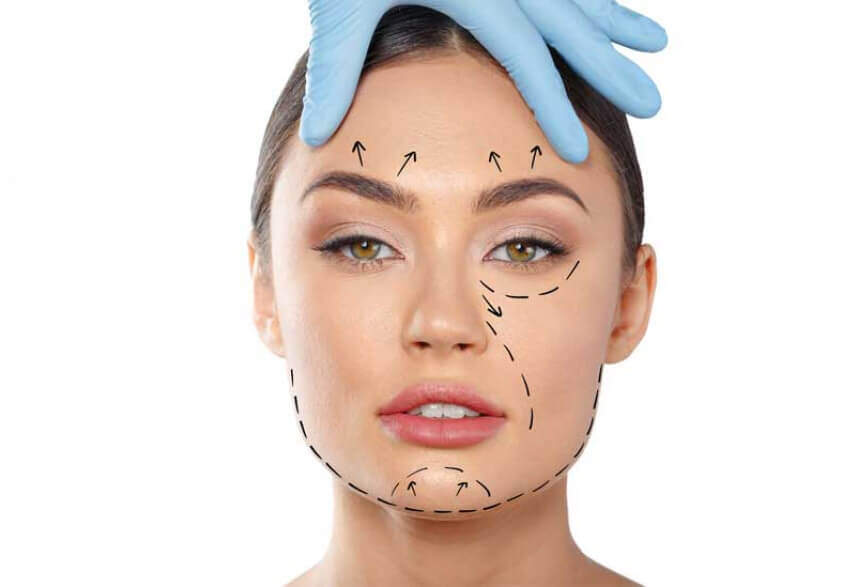
Facelift surgery in Dubai (جراحة شد الوجه في دبي) is a highly effective procedure to restore youthful contours, tighten sagging skin, and rejuvenate the face. Like any surgical procedure, it carries some risks and potential complications. Understanding these risks beforehand helps patients make informed decisions and ensures safer, more successful outcomes.
Why Awareness of Complications Matters?
While facelift surgery offers dramatic aesthetic improvements, being aware of possible complications can:
-
Help manage expectations realistically
-
Enable early recognition and prompt treatment
-
Improve overall recovery and satisfaction
Knowing what to watch for ensures patients feel more confident and prepared throughout the healing process.
Most Common Complications After Facelift Surgery:
Although serious complications are rare when the procedure is performed by experienced surgeons, some common post-operative issues include:
Swelling and Bruising:
-
Description: Temporary swelling and bruising are normal after facelift surgery.
-
Duration: Usually subsides within 1–3 weeks.
-
Management: Cold compresses, elevated head position, and gentle care reduce discomfort.
Hematoma:
-
Description: A hematoma is a collection of blood under the skin that can cause swelling, pain, or discoloration.
-
Frequency: Considered the most common surgical complication.
-
Management: Minor cases may resolve naturally, but larger hematomas require medical intervention.
Nerve Injury:
-
Description: Temporary numbness, tingling, or weakness can occur if facial nerves are affected.
-
Recovery: Most cases improve within weeks to months.
-
Note: Permanent nerve damage is rare but possible.
Infection:
-
Description: Infection is uncommon but can occur if bacteria enter the surgical site.
-
Prevention: Maintaining clean dressings, proper hygiene, and following post-op instructions reduce risk.
-
Management: Mild infections are treated with antibiotics; severe cases may need additional care.
Scarring:
-
Description: All surgical procedures result in some scarring.
-
Location: Incisions are usually placed along hairlines and natural creases to minimize visibility.
-
Improvement: Scars fade over months and can be treated with topical therapies if needed.
Hair Loss Around Incisions:
-
Description: Temporary hair thinning or loss can occur near incision sites.
-
Recovery: Hair usually regrows within a few months.
Skin Irregularities:
-
Description: Some patients notice uneven skin texture, mild dimpling, or discoloration.
-
Management: Gentle massage, topical treatments, or minor touch-ups can improve appearance.
Preventive Tips to Minimize Risks:
Following proper guidelines before and after surgery can reduce complications:
-
Pre-Surgery: Avoid smoking, certain medications, and supplements that increase bleeding risk.
-
During Surgery: Ensure procedures are performed in accredited facilities with experienced surgeons.
-
Post-Surgery: Follow recovery instructions strictly, including wound care, rest, and avoiding strenuous activity.
Benefits of Being Informed About Complications:
| Benefit | Description |
|---|---|
| Safer Recovery | Awareness allows for early intervention if issues arise |
| Improved Outcomes | Proper care reduces swelling, scarring, and other side effects |
| Peace of Mind | Patients feel more confident and in control |
| Faster Healing | Compliance with guidelines accelerates recovery |
| Long-lasting Results | Minimizes risk of complications that could affect aesthetic outcomes |
When to Seek Medical Attention?
Contact your surgeon immediately if you notice:
-
Excessive swelling or pain not relieved by medication
-
Sudden changes in skin color or temperature
-
Pus or foul-smelling discharge from incision sites
-
Persistent numbness, weakness, or drooping on one side of the face
-
Fever or other signs of systemic infection
Prompt evaluation can prevent minor complications from becoming serious problems.
FAQs About Facelift Surgery Complications:
How common are complications after facelift surgery?
Most patients experience minor side effects like swelling or bruising. Serious complications are rare, especially when performed by qualified surgeons.
Can nerve damage be permanent?
Permanent nerve damage is uncommon. Most patients experience temporary numbness or tingling that improves over time.
How long does it take to recover fully?
Initial recovery takes 1–3 weeks, but complete healing and final results may take several months.
Are there ways to reduce the risk of hematoma?
Yes. Avoiding blood-thinning medications before surgery, careful surgical technique, and proper post-op care help reduce hematoma risk.
Will scars be noticeable?
Incisions are placed strategically along hairlines and natural facial creases. Scars fade over time and are usually minimally visible.
Final Thoughts:
Facelift surgery in Dubai can deliver dramatic rejuvenation and restore youthful facial contours. While complications are possible, understanding the risks, following preventive measures, and adhering to post-operative care can significantly reduce them.
Awareness is empowering. By knowing what to expect and how to respond, patients can navigate recovery with confidence, ensuring safe, natural, and long-lasting results. Ultimately, facelift surgery is not just about appearance—it’s about feeling confident, refreshed, and comfortable in your own skin.


