
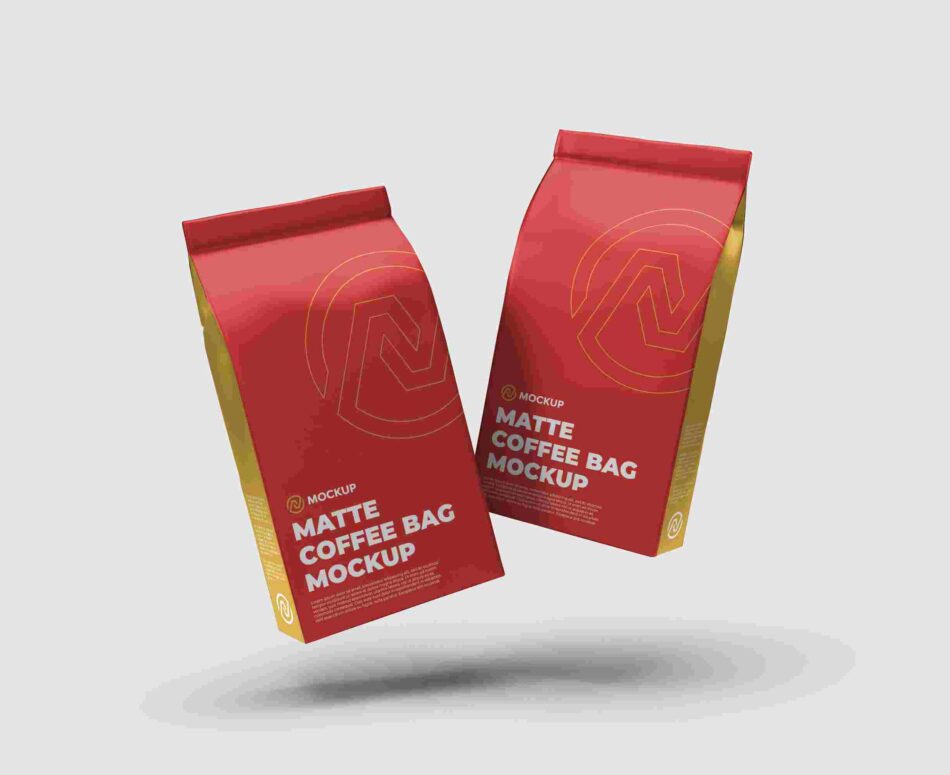
Of all the senses engaged in the experience of coffee—the rich aroma escaping the bag, the satisfying crunch of the seal breaking, the deep, complex flavor of the first sip—sight is often the first and most decisive. Before a customer ever smells the grounds or tastes the brew, their eyes have already made a judgment. In the fiercely competitive world of specialty coffee, where countless bags vie for attention on crowded shelves, colour is not merely a decorative afterthought. It is a silent salesman, a psychological trigger, and a crucial piece of the brand’s story. The strategic use of colour in coffee packaging is a fundamental component of marketing, communication, and ultimately, product preservation.
The Psychology of the Palette: Speaking Without Words
Colour psychology is the cornerstone of effective packaging design. Each hue evokes specific emotions and sets expectations for the product within.
-
Earth Tones (Browns, Greens, Beiges): These are the classic colours of coffee. Brown immediately signals the product—roasted coffee beans. It conveys a sense of richness, earthiness, and authenticity. Green often signifies an origin story, pointing to unroasted beans, environmental consciousness, or a specific terroir. Together, they create a natural, organic, and artisanal feel that appeals to consumers who value tradition and traceability.
-
Warm Tones (Reds, Oranges, Yellows): These are the colours of energy and vibrancy. A bold red can communicate a coffee with a bold, intense flavor profile, perhaps with notes of dark chocolate or spice. Orange is often associated with creativity, friendliness, and warmth, making it a suitable color for a brand with a vibrant, community-focused personality. Yellow, the colour of sunshine, can suggest a bright, citrusy, and acidic coffee, much like those from Ethiopian or Kenyan origins.
-
Cool Tones (Blues, Blacks, Purples): These colours often denote sophistication, luxury, and mystery. A sleek black bag with metallic accents immediately positions the coffee as a premium, high-end product. It suggests a dark roast, a complex, syrupy body, and an air of exclusivity. Blue, a colour of trust and dependability, can be used to build a sense of reliability and calm, while purple can imply royalty, rarity, and unique flavor combinations.
-
Minimalist & Bright (Whites, Neutrals, Pastels): A stark white or light grey bag acts as a clean canvas, forcing the focus onto the typography and the brand name. This approach signals modernity, purity, and a focus on the unadulterated quality of the coffee inside. Pastel colours can help a brand stand out in a sea of dark tones, projecting a softer, more approachable and contemporary image.
By carefully selecting a colour palette, a roaster can preemptively answer a customer’s question: “What will this coffee experience be like?”
Beyond Emotion: Communicating Roast and Flavor
While the “light roast = light bag, dark roast = dark bag” convention is a useful starting point, sophisticated brands use colour to communicate much more nuanced information. Colour can be a visual guide to the coffee’s expected flavor profile.
A bag designed for a light-roasted, fruity Ethiopian coffee might use a combination of bright yellow, light green, and a splash of red to hint at its lemony acidity and berry notes. Conversely, a Sumatra Mandheling, known for its earthy, full-bodied, and low-acidity profile, would be perfectly suited to a deep brown, burgundy, or dark green palette. This visual shorthand helps customers quickly navigate their preferences, building a bridge between the abstract tasting notes on the label and a tangible, visual expectation.
Building a Brand Identity in a Saturated Market
In a marketplace where many roasters may source beans from the same regions, a strong, colour-driven brand identity is what creates loyalty and recall. Colour is the most memorable element of a brand, with studies suggesting it increases brand recognition by up to 80%.
Think of the distinctive orange of Trollhattan Rösteri or the iconic minimalist white of many third-wave roasters. These colour choices become synonymous with the brand’s values and quality. Consistency in colour application across all packaging, from single-origin bags to espresso blends, creates a cohesive and professional brand universe that consumers learn to trust. This visual consistency assures customers that whether they pick up a bag in London or Tokyo, the quality and experience they have come to expect will be inside.
The Functional Role: Preservation Meets Design
The conversation about colour in coffee packaging must also address its functional role. Coffee is a perishable product, highly susceptible to its two greatest enemies: oxygen and light. While the barrier properties of the bag material are paramount, colour plays a supporting role in preservation.
Dark colours, particularly opaque black, brown, or dark green, are excellent at blocking out ultraviolet light. UV radiation accelerates the degradation of coffee oils, leading to staling and rancidity. Therefore, a dark-coloured bag is not just an aesthetic choice for a dark roast; it is a practical measure to extend the shelf life and protect the delicate flavors of the beans. Modern packaging solutions often involve a multi-layered approach, where the outer layer’s colour provides UV protection while the inner layers create a barrier against oxygen.
The Unboxing Experience: From Shelf to Social Media
In the age of e-commerce and social media, the role of packaging has expanded beyond the physical store. The “unboxing experience” is a marketing moment in itself. A beautifully designed package with a thoughtful, visually striking colour scheme is more likely to be shared on platforms like Instagram or YouTube.
A vibrant, photogenic bag acts as free advertising, reaching a potential customer base far beyond the local café. The colours chosen can make the product look more appealing in digital thumbnails and influence online purchasing decisions just as powerfully as on a physical shelf.
Conclusion
The colour of a coffee bag is a multifaceted tool. It is a psychological lever, a flavor forecaster, a brand-builder, and a preservation aid. It is the first handshake between the roaster and the consumer, a non-verbal promise of the experience contained within. In an industry where perception and quality are intrinsically linked, ignoring the power of colour is to overlook one of the most potent instruments in the modern roaster’s toolkit. The next time you choose a bag of coffee, pause for a moment and consider the story its colours are trying to tell you.
FAQs About the Importance of Colour in Coffee Packaging
1. Does the colour of the bag actually affect the coffee’s taste?
While the colour itself doesn’t change the chemical composition of the coffee, it significantly influences our perception of taste. This is due to a psychological phenomenon known as “sensation transference.” If a bag uses dark, rich colours like black and burgundy, our brain is primed to expect a bold, intense, and perhaps smoky flavor. If we then taste the coffee, we are more likely to focus on and interpret those characteristics. Conversely, a bright, yellow, and white bag might make us more perceptive to the coffee’s citrusy and acidic notes. The colour sets an expectation that our taste buds often follow.
2. Are there any functional benefits to using dark-coloured coffee bags?
Yes, absolutely. Dark colours, especially opaque ones like black, brown, or deep blue, are highly effective at blocking ultraviolet (UV) light. UV radiation is a major contributor to coffee staling, as it breaks down the beans’ sensitive aromatic oils, leading to a flat, rancid flavor. By using a dark exterior, the packaging provides a crucial layer of protection, helping to preserve the coffee’s freshness and complex flavor profile for longer.
3. My brand is very modern and minimalist. Can I use a white bag without harming the coffee?
You can, but it requires careful material engineering. A pure white bag typically offers less inherent UV protection. To counter this, roasters opting for a light-coloured minimalist look must ensure the packaging material itself has built-in UV inhibitors or is completely light-proof through its layered composition (e.g., a white outer layer that is highly opaque, backed by foil and other barrier layers). The key is never to sacrifice the package’s functional integrity for aesthetics alone. Always consult with your packaging supplier to ensure your design is both beautiful and protective.
4. How important is colour for standing out on a shelf compared to other design elements?
Colour is arguably the most immediate and powerful tool for shelf standout. Before a customer can read your brand name, the flavor notes, or the origin, they see a block of colour. A unique or contrasting colour palette can make your product pop amid competitors who often default to traditional browns and blacks. However, it works best in concert with other elements, such as typography, imagery, and the overall layout. A cohesive design where colour, font, and graphics work in harmony is the ultimate recipe for catching the eye and communicating your brand’s identity instantly.
5. Should I change my packaging colours for different coffee blends or origins?
This is a common and effective strategy. Using a consistent colour-coding system helps loyal customers quickly identify their favourite blends or explore new origins using visual cues. For example, you might use a spectrum where:
-
Dark Blues & Blacks: Signature dark roast espresso blend.
-
Reds & Oranges: Medium-roast blend with chocolate and nutty notes.
-
Yellows & Greens: Single-origin, light-roast African coffees with fruity/floral notes.
This system not only aids in navigation but also reinforces the unique character of each coffee you offer, making your brand’s portfolio feel more organized and explorable.


