
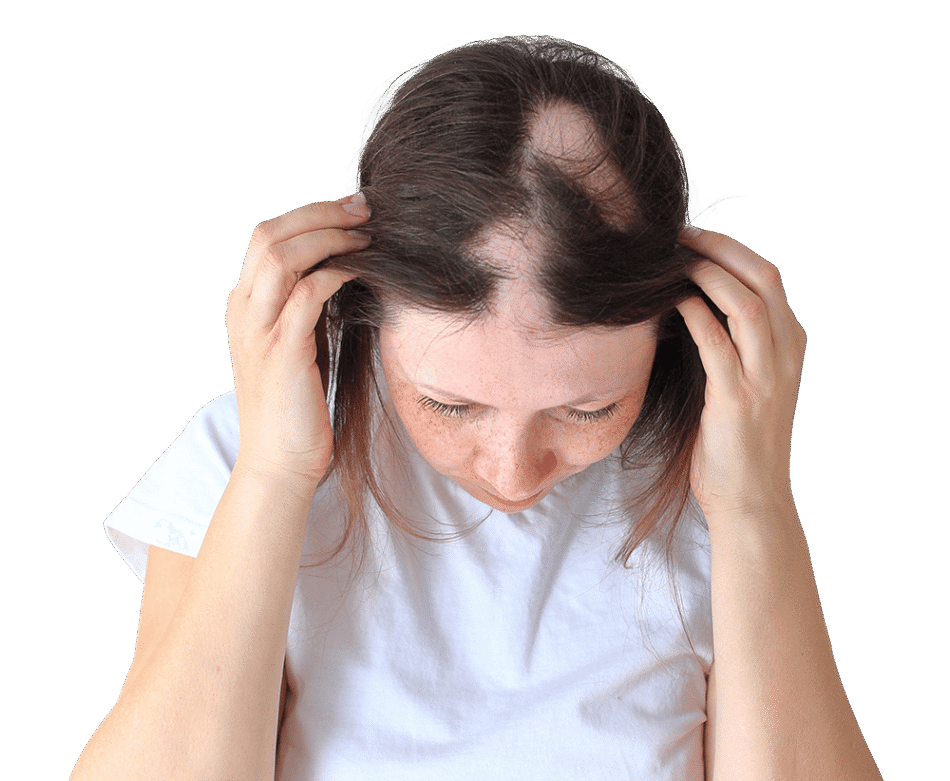
Alopecia areata can impact more than just your hair—it can affect your confidence, appearance, and emotional well-being. For many individuals in Dubai seeking a long-lasting, non-surgical solution to camouflage hair loss, scalp micropigmentation has become an increasingly popular option. But is it the right choice for those with alopecia areata?
Let’s explore how scalp micropigmentation works, its advantages, limitations, and whether it fits your goals for Alopecia areata treatment (علاج الثعلبة البقعية).
What Is Scalp Micropigmentation?
Scalp micropigmentation (SMP) is a cosmetic treatment that involves implanting tiny pigment dots into the scalp to create the illusion of hair follicles. Think of it as a medical-grade tattoo designed to simulate the appearance of a closely shaved head or denser hair in thinning areas.
Unlike traditional hair restoration techniques that involve surgery or medications, SMP is non-invasive and generally requires minimal downtime. It’s suitable for both men and women and can be customized to suit individual hair colors and styles.
How Can It Help with Alopecia Areata?
Alopecia areata is an autoimmune condition that causes patchy hair loss, usually on the scalp but sometimes affecting the beard, eyebrows, and other areas. These patches can be small and scattered or more widespread in severe cases.
SMP offers a practical way to conceal bald spots caused by alopecia areata. It works by blending the affected patches with the surrounding hair or creating the look of an even, closely-shaved head when hair loss is more extensive.
Benefits of Scalp Micropigmentation for Alopecia Areata:
Immediate Visual Results:
Unlike hair transplants or medications that take time to show effects, SMP offers instant cosmetic improvement. The illusion of hair density is visible right after the treatment.
Non-Surgical and Low Maintenance:
SMP doesn’t involve incisions or recovery time. Once completed, there’s no need for special shampoos, medications, or ongoing maintenance beyond occasional touch-ups.
Camouflages Patches Effectively:
This treatment is especially useful in hiding unpredictable hair loss patterns. Whether your hair grows back or not, SMP can maintain a uniform appearance.
Boosts Confidence:
Living with alopecia areata can be emotionally challenging. SMP offers a way to restore your appearance and self-esteem without the uncertainty of regrowth.
Limitations to Consider:
While SMP has many advantages, it’s important to understand its limitations before choosing it as your alopecia areata treatment in Dubai.
It Doesn’t Treat the Condition:
SMP is purely cosmetic—it does not stop hair loss or address the autoimmune condition causing it. If you’re looking for a medical solution, this might not meet your expectations.
Requires Skilled Application:
The quality of the results depends heavily on the technique and experience of the practitioner. Poorly done SMP can look unnatural or fade unevenly.
May Need Touch-Ups:
Over time, the pigments can fade, especially with sun exposure. Most people require a touch-up every few years to maintain optimal results.
Not Ideal for Long Hair Styles:
SMP works best for shaved or very short hair. If you prefer longer hairstyles, it might not blend well with existing hair, especially if hair loss continues to progress.
Who Is a Good Candidate for SMP?
SMP is best suited for individuals who:
-
Have stable or recurring alopecia areata patches
-
Prefer a short-hair or buzz-cut look
-
Are seeking a non-invasive, fast solution
-
Are not ready or eligible for surgical treatments
-
Understand that it is a cosmetic solution, not a cure
Before undergoing treatment, a consultation is necessary to assess your hair loss pattern, skin tone, and personal goals.
Frequently Asked Questions:
Can I get SMP while I still have active hair loss?
Yes, but it’s best to wait until the hair loss pattern stabilizes. SMP may need adjustments if your alopecia areata progresses.
Is it painful?
Most people describe the sensation as mildly uncomfortable but tolerable. Topical numbing agents can be used to ease discomfort during the procedure.
How many sessions are needed?
Typically, 2 to 3 sessions are required, spaced a few weeks apart, to build up the pigment and achieve the desired density.
Will it look natural?
When done by an experienced professional, SMP can look incredibly natural, especially for those with darker hair and skin tones.
Final Thoughts:
Scalp micropigmentation is a promising option for managing the appearance of alopecia areata treatment in Dubai (علاج الثعلبة البقعية في دبي). It provides immediate, long-lasting cosmetic results with minimal risk or downtime. While it doesn’t treat the root cause of hair loss, it can dramatically improve how you feel about your appearance.
If you’re looking for an alternative to medications or surgeries—or simply want a confidence boost—scalp micropigmentation could be the right fit. As with any cosmetic treatment, researching your options and managing expectations will help you make a confident decision in your hair restoration journey.


