
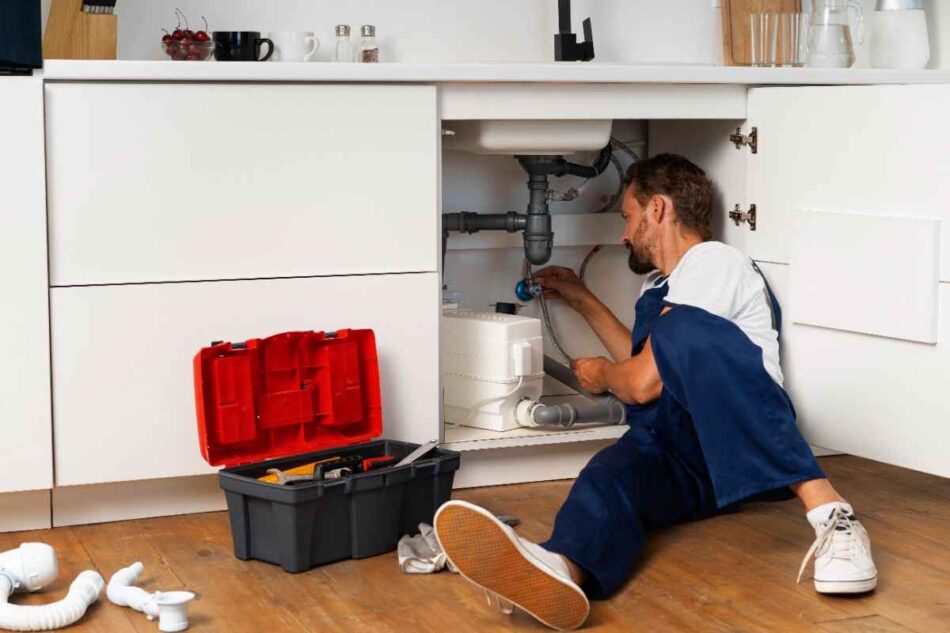
Plumbing issues have a strange sense of timing. They rarely show up when you have a free afternoon and extra cash — they prefer long weekends, cold mornings, or the night before guests arrive.
If you’ve ever found yourself standing in a kitchen with a bucket under a slow leak, wondering how something so small could feel so stressful, you’re not alone. Homeowners everywhere deal with it, and the truth is, plumbing problems don’t care about schedules. They care about physics, pressure, and neglect.
The Small Leak That Becomes a Big Story
Take the story of Angela, who bought a cozy two-bedroom condo in Emeryville. Two months after moving in, she noticed a faint sound behind her bathroom wall — not a steady drip, just a soft, inconsistent hiss.
At first, she ignored it. Then her water bill jumped 40%. When she finally opened the wall, a pipe had been slowly corroding for months. The moisture had spread to the drywall and baseboard. The fix was no longer a quick patch — it required replacing a section of copper pipe and redoing the damaged wall.
That’s how many plumbing stories begin: with a sound, a stain, or a smell that’s easy to ignore until it demands attention. A small leak can waste hundreds of gallons of water a month, and if it’s hidden, the real cost is structural damage and mold growth.
Why Water Has Its Own Agenda
Water doesn’t just flow — it finds a way. A pinhole leak in a pipe under constant pressure will gradually carve through insulation, wood, and even concrete. That’s why plumbers often say, “It’s never just a leak.”
In Emeryville’s mix of older homes and new apartment buildings, pipes face a range of challenges: shifting foundations, temperature changes, and the occasional DIY repair from a previous owner. Over time, each factor adds stress to the system.
That’s where the role of a qualified plumber in Emeryville becomes critical. Not to sell a service, but to understand how the local water pressure, pipe materials, and soil conditions interact. Those details determine whether a quick fix holds — or fails again next season.
The Science of a Slow Drain
Everyone has seen it: the shower that starts draining slower each week. Most people reach for a bottle of cleaner, pour it in, and feel satisfied when the water clears for a while.
But beneath the surface, those chemicals often damage older metal pipes. They dissolve buildup temporarily but leave residue that catches more debris later. That’s why chronic drain issues usually point to a deeper cause — either a venting problem or a partial clog farther down the line.
Plumbers use cameras to locate blockages, and the results are often surprising. Toys, hair ties, and even cooking grease solidified into strange shapes have been found in household pipes. A slow drain might look minor, but it’s the plumbing system’s way of asking for help.
The Hidden Impact of Water Pressure
Many homeowners love strong water pressure. It feels satisfying in the shower and fills pots faster in the kitchen. But what feels like “good pressure” can actually be too high.
When pressure exceeds safe levels — usually above 80 psi — joints, valves, and water heaters start to wear out faster. It’s like running a car engine constantly at redline. In older Emeryville homes, pressure regulators sometimes fail silently, and the first sign is a sudden burst pipe or a leaking faucet that won’t stay tight.
Checking the pressure takes a few minutes with an inexpensive gauge, but few people think to do it until something breaks.
Plumbing Anxiety Is a Modern Problem
A generation ago, most homeowners knew at least a little about basic plumbing. They could shut off a valve, replace a washer, or snake a drain. Today, many rely entirely on professionals — not because they can’t learn, but because modern plumbing systems are far more complex.
Multi-unit buildings have shared lines, water heaters have digital sensors, and fixtures use specialized cartridges instead of simple screws. While that makes systems more efficient, it also means small problems are harder to diagnose without experience.
How to Stay Ahead of the Next Leak
Here are a few habits that save both water and stress:
-
Inspect seasonally. Look under sinks and around toilets twice a year for signs of moisture or corrosion.
-
Know your main shut-off valve. In an emergency, every second counts.
-
Flush the water heater annually. It removes sediment and extends lifespan.
-
Listen to your pipes. Unusual sounds — hissing, banging, dripping — often reveal the first stage of failure.
-
Document everything. Keep a simple log of past repairs; it helps track recurring issues.
These steps don’t replace professional help, but they put homeowners in control. Plumbing doesn’t have to be mysterious; it’s just a system that rewards attention and consistency.
A Note on Timing
There’s never a perfect time to deal with a plumbing issue. It will interrupt your day, cost something, and require coordination. But the earlier you respond, the smaller the disruption becomes.
A slow drain cleared today won’t turn into a backed-up shower tomorrow. A tiny leak fixed now won’t soak your floor later. Preventive action is less about money and more about peace of mind.
Closing Thoughts
Every home has a story told through its pipes — the repairs made, the ones ignored, and the lessons learned. Plumbing is invisible when it works, and unforgettable when it doesn’t.
The goal isn’t perfection; it’s awareness. Whether you own a single condo or manage a multi-unit property, the message stays the same: water always wins unless you pay attention first.
And if that attention leads you to call a local plumber in Emeryville, it’s not just about fixing what’s broken — it’s about keeping the rhythm of your home uninterrupted.


