
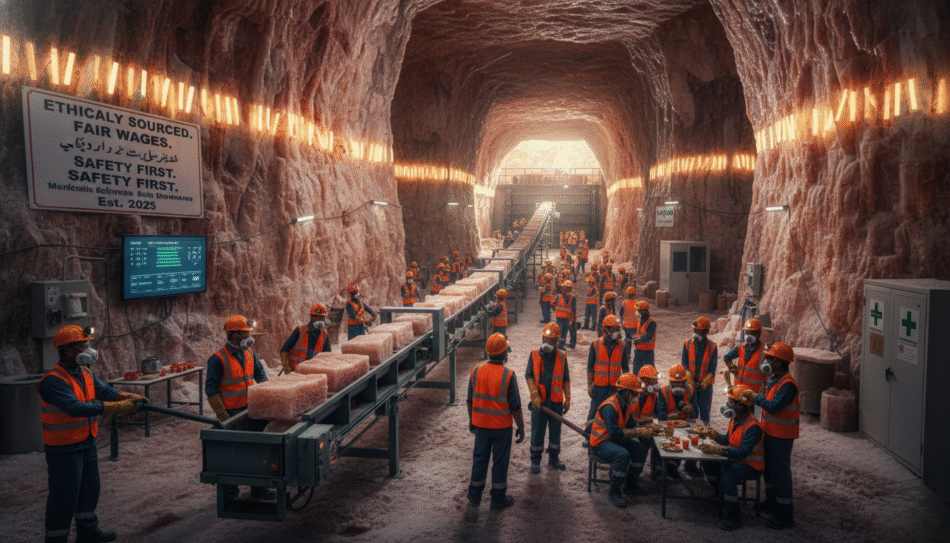
Sustainable Salt Sourcing: What Importers Should Ask Their Pakistani Supplier
Introduction
In today’s conscious global market, sustainability is more than just a buzzword, it’s a responsibility. Importers around the world are rethinking where their raw materials come from and how they’re produced. One such essential mineral is Himalayan rock salt, a natural treasure of Pakistan.
If you’re an importer looking for sustainable salt sourcing from Pakistan, asking the right questions can help ensure quality, ethics, and long-term trust with your supplier.
1. Understanding the Importance of Sustainable Salt Sourcing
Pakistan’s Khewra Salt Mines are world-renowned for producing Himalayan pink salt, but sustainability in mining and processing is what sets responsible suppliers apart.
Sustainable sourcing ensures that:
- The environment is protected during mining.
- Workers are treated fairly and ethically.
- Local communities benefit economically.
- The salt remains pure, natural, and chemical-free.
With growing consumer awareness, sustainable salt sourcing is now a key factor for importers who want to align their brands with eco-friendly and ethical practices.
2. Why Importers Should Care About Sustainability
For importers, sustainability isn’t just about image, it’s about supply chain stability and customer trust.
Choosing a supplier that prioritizes sustainability helps:
- Reduce the risk of environmental violations.
- Enhance brand credibility in international markets.
- Meet import regulations in the EU, US, and other regions.
- Attract eco-conscious consumers who value ethical sourcing.
When salt is sourced responsibly, it becomes more than a product it becomes a symbol of natural purity and global responsibility.
3. Questions Importers Should Ask Their Pakistani Salt Supplier
To make sure your supplier follows sustainable standards, here are essential questions every importer should ask:
a. What are your mining practices?
Ask whether the supplier uses controlled, non-destructive mining techniques. Sustainable suppliers extract salt without damaging the mine’s ecosystem or wasting resources.
b. Do you comply with environmental regulations?
Ensure that the supplier is certified or compliant with Pakistan’s environmental and safety standards. Responsible companies often have audits, documentation, or third-party certifications.
c. How do you treat and support your workers?
Ethical labor practices are a key part of sustainability. Look for suppliers who ensure safe working conditions, fair wages, and no child labor.
d. Do you use eco-friendly packaging?
Sustainability doesn’t end with mining. Suppliers should use recyclable or biodegradable packaging materials to reduce environmental waste.
e. What certifications do you hold?
Ask for ISO certifications, Halal certificates, or environmental management certifications (like ISO 14001) to verify credibility.
f. How do you ensure product purity?
Sustainable suppliers avoid harmful chemicals or synthetic additives. They often use natural washing and sorting methods to preserve the salt’s mineral composition.
g. How do you support the local community?
Ethical suppliers reinvest part of their profits in local development, healthcare, or education, ensuring the community benefits from the mining operations.
4. Benefits of Partnering with Sustainable Salt Suppliers in Pakistan
Partnering with responsible suppliers in Pakistan brings long-term advantages:
- Consistent quality: Naturally pure Himalayan salt that meets global food safety standards.
- Brand value: Sustainable sourcing builds consumer trust and loyalty.
- Regulatory ease: Compliance with international import laws and eco-standards.
- Positive impact: Contributing to environmental conservation and social development.
When importers and suppliers share the same ethical values, they create a transparent and future-proof trade relationship.
If you’re looking for a trusted Himalayan salt supplier in Pakistan committed to sustainability, visit Sobaan Himalayan Exports to explore ethically sourced, export-quality Himalayan products.
5. How to Verify Your Supplier’s Sustainability Claims
It’s not enough to just ask questions importers should also verify claims through:
- Third-party audits or factory visits
- Reviewing certificates and licenses
- Checking traceability in supply chains
- Asking for sample batches and process documentation
Trustworthy Pakistani salt exporters will always be open and transparent about their practices.
6. The Future of Sustainable Salt Mining in Pakistan
Pakistan is rapidly moving toward more eco-conscious salt mining techniques, especially in the Khewra, Kalabagh, and Warcha mines. Companies that adopt modern extraction, waste reduction, and renewable energy systems are leading the change.
As demand for ethical Himalayan salt grows, Pakistan has a unique opportunity to position itself as the global hub for sustainable salt production.
Conclusion
Sustainability is no longer optional, it’s essential. Importers who choose to work with ethical and sustainable salt suppliers in Pakistan not only ensure a reliable product but also play a part in protecting the planet and uplifting local communities.
When you ask the right questions and verify the answers, your business becomes part of a responsible, transparent, and future-focused global trade system.


