
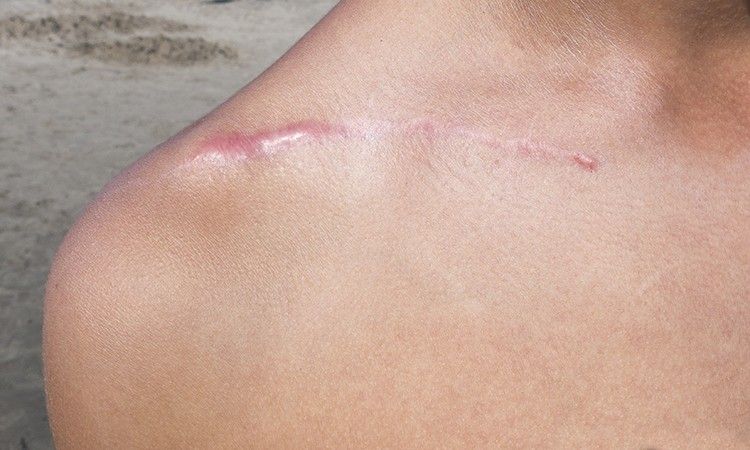
Undergoing scar removal in Dubai is a transformative experience for anyone who wants smoother, clearer, and more confident skin. Whether you’ve treated acne scars, surgical scars, or burn marks, maintaining those results long-term requires consistent aftercare and lifestyle choices. While Dubai’s dermatology clinics offer world-class scar removal technologies, the real secret to lasting results lies in what you do after your treatment. This blog explores expert-recommended strategies to preserve your results and keep your skin healthy, radiant, and scar-free for years.
Understanding the Healing Process After Scar Removal
After a scar removal procedure — whether laser, microneedling, chemical peel, or surgery — your skin begins an active healing phase. During this time, collagen remodeling continues beneath the surface, helping new, smoother skin replace the scar tissue.
However, if the skin is not cared for properly post-treatment, issues such as hyperpigmentation, inflammation, or scar recurrence can occur. That’s why following your dermatologist’s instructions is crucial for ensuring that your results continue to improve long after your final session.
1. Sun Protection: The Golden Rule of Aftercare
Dubai’s intense sunlight can be both a blessing and a challenge. UV exposure is one of the biggest threats to newly treated skin. It can darken scars, cause pigmentation, and delay healing.
Tips for Sun Protection:
-
Apply a broad-spectrum SPF 50+ sunscreen daily, even on cloudy days.
-
Reapply every 2–3 hours if you spend time outdoors.
-
Choose sunscreens containing zinc oxide or titanium dioxide, as they are gentle and effective.
-
Wear wide-brimmed hats or UV-protective clothing when outdoors.
-
Avoid peak sun hours (10 AM to 4 PM) whenever possible.
Protecting your skin from the sun is the most effective way to preserve your scar removal results.
2. Follow a Consistent Skincare Routine
Post-treatment skin needs gentle care and hydration to stay smooth and even-toned. Harsh products can cause irritation or damage the new skin cells, so it’s important to choose your skincare products carefully.
Recommended Routine:
-
Cleanser: Use a mild, fragrance-free cleanser to remove impurities without stripping moisture.
-
Moisturizer: Keep the skin hydrated with non-comedogenic creams rich in hyaluronic acid or ceramides.
-
Serum: Incorporate products containing niacinamide or vitamin C to brighten the skin and reduce redness.
-
Night Cream: Use dermatologist-recommended products to aid overnight skin regeneration.
Avoid using exfoliants, retinoids, or alcohol-based toners for at least a few weeks post-procedure unless approved by your specialist.
3. Avoid Picking or Touching the Treated Area
New skin after scar removal is delicate. Picking at scabs, scratching, or rubbing the area can interfere with healing and cause infection or new scarring. It’s best to let your skin heal naturally — any temporary flaking, dryness, or redness will subside on its own.
If itching occurs, apply aloe vera gel or a soothing post-treatment cream recommended by your dermatologist.
4. Maintain a Healthy Diet for Skin Regeneration
Your diet plays a major role in how well your skin heals and maintains its new texture. Certain nutrients can help boost collagen production and prevent inflammation.
Foods That Promote Skin Healing:
-
Vitamin C: Found in oranges, berries, and kiwis; helps in collagen formation.
-
Protein: Lean meats, fish, and legumes repair damaged tissues.
-
Omega-3 fatty acids: Present in salmon, walnuts, and flaxseed; reduce inflammation.
-
Zinc: Aids wound healing and reduces the risk of infection.
-
Water: Staying hydrated supports skin elasticity and detoxification.
Avoid excessive sugar, processed foods, and alcohol, as they can slow recovery and increase inflammation.
5. Schedule Maintenance Sessions
Some scar removal treatments, such as laser therapy, microneedling, or PRP, provide cumulative benefits. To sustain your results, maintenance sessions may be needed every few months.
Benefits of Maintenance Treatments:
-
Keeps collagen production active.
-
Prevents recurrence of pigmentation or uneven texture.
-
Enhances long-term smoothness and tone.
Your dermatologist will recommend a follow-up plan based on your scar type and skin condition.
6. Manage Stress and Sleep Well
Stress can impact skin health by increasing cortisol levels, which can cause inflammation and delay healing. Additionally, lack of sleep reduces your skin’s ability to regenerate overnight.
Healthy Habits for Skin Wellness:
-
Practice deep breathing or yoga to manage stress.
-
Aim for 7–8 hours of sleep each night.
-
Keep a consistent sleep schedule for optimal cell recovery.
Your mind and skin are connected — a calm, well-rested body supports long-lasting beauty results.
7. Use Prescribed Topical Treatments
Your dermatologist may prescribe specific ointments or creams to maintain results and prevent scar recurrence. These could include:
-
Silicone gel or sheets to keep scars flat and hydrated.
-
Lightening creams with kojic acid or arbutin for post-inflammatory pigmentation.
-
Retinoid creams (if suitable) to promote skin turnover.
Always follow your doctor’s directions — self-medicating or mixing products can cause irritation.
8. Avoid Aggressive Skin Treatments
After scar removal, avoid treatments that could irritate or inflame your skin for at least 4–6 weeks. These include:
-
Chemical peels (unless prescribed)
-
Waxing or threading on treated areas
-
Hot facials or steam treatments
-
Laser hair removal on the same site (for a few months)
Your skin needs time to fully stabilize before introducing new procedures.
9. Stay Consistent with Follow-Up Visits
Regular dermatologist visits ensure your skin is healing properly and maintaining the achieved results. During these visits, your specialist can:
-
Assess collagen remodeling progress.
-
Adjust your skincare routine.
-
Address any new pigmentation or redness early.
Think of follow-ups as an investment in your skin’s long-term health and appearance.
10. Adopt a Preventive Mindset
Even after successful scar removal, it’s important to protect your skin from new damage. Minor injuries, acne breakouts, or burns can cause new scars if not managed properly.
Preventive Tips:
-
Treat acne promptly to avoid post-acne scars.
-
Use protective clothing when cooking or doing activities that may cause burns.
-
Handle skin wounds carefully — clean, cover, and moisturize them early.
By adopting preventive habits, you can ensure your skin stays smooth and clear long after your initial treatment.
Final Thoughts
Achieving beautiful, scar-free skin doesn’t end after your procedure — it’s a journey that requires consistent care. With the right protection, nutrition, and skincare habits, you can maintain your scar removal in Dubai results for the long term and enjoy healthy, radiant skin.
Dubai’s leading dermatology clinics provide comprehensive post-treatment care plans to guide you every step of the way. For professional advice and customized scar maintenance solutions, visit Tajmeels.ae. Their expert dermatologists specialize in advanced scar treatments and long-term skincare strategies to help you preserve your flawless results for years to come.


