
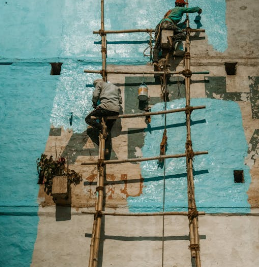
Exterior painting is a powerful way to enhance a home’s curb appeal, reflect personal style, and protect the structure from weathering. Modern homeowners increasingly embrace two-tone siding and accent trim as a method of giving their property a fresh, visually striking look. This approach allows for creative expression while highlighting architectural features. In this article, we explore design ideas for two-tone exterior painting, tips for selecting complementary colors, and strategies for maintaining a polished, long-lasting finish.
The Appeal of Two‑Tone Exterior Painting
Two-tone exterior painting creates depth and dimension by combining two complementary colors across different sections of the home. Typically, the main siding is painted one color, while trim, shutters, and other accents are highlighted in another, creating a cohesive yet dynamic appearance. This design technique emphasizes architectural details, making porches, gables, and window frames stand out.
Homeowners often choose two-tone schemes to modernize older homes, enhance curb appeal, or reflect current design trends. Proper planning ensures the colors harmonize rather than clash, producing an aesthetically pleasing finish.
Understanding Accent Trim in Exterior Painting
Accent trim plays a pivotal role in exterior painting by framing windows, doors, and rooflines, adding contrast and visual interest. Choosing the right trim color can dramatically influence the overall look of a home. White and off-white trims provide a classic, clean contrast, while bolder shades such as charcoal, navy, or deep red create a contemporary flair.
The key to effective accent trim design is balance. The color should complement the main siding without overwhelming it. Accent trim can also extend to decorative features like railings, shutters, and columns, adding layers of sophistication to the home’s exterior.
Popular Two‑Tone Siding Color Combinations
Certain color combinations have emerged as favorites in modern exterior painting projects. Neutral tones paired with darker trims, such as beige siding with charcoal trim, offer timeless elegance. Light gray siding with navy trim creates a cool, contemporary look, while pale yellow with white accents evokes a warm, inviting feel.
Homeowners can also experiment with bold pairings, such as deep green siding with cream trim or rich blue siding with soft gray accents. Two-tone exterior painting allows flexibility, accommodating both subtle and striking design choices while enhancing architectural charm.
Tips for Choosing the Right Colors
Selecting the perfect colors for two-tone exterior painting involves considering factors like architectural style, neighborhood context, and personal preference. Observing neighboring homes ensures the palette complements rather than clashes with the surroundings. Using paint samples and viewing them under different lighting conditions helps homeowners make informed decisions.
Additionally, homeowners should consider the home’s materials and textures. Siding, brick, or stucco may reflect light differently, affecting how colors appear. Consulting a professional for color advice can ensure the final exterior painting outcome is both harmonious and visually appealing.
Highlighting Architectural Features
Two-tone exterior painting excels at accentuating architectural details. Gables, dormers, porches, and window casings can be highlighted with contrasting trim to draw attention to craftsmanship. This technique not only adds depth but also modernizes the home’s appearance.
Accent trim can guide the eye across the exterior, creating a visually balanced facade. When executed thoughtfully, exterior painting transforms a simple house into a standout property that feels customized and intentional.
Maintaining Consistency Across Exterior Painting Projects
Consistency is essential in two-tone exterior painting to prevent a disjointed appearance. Trim, siding, and accent features should have a unified approach in terms of color, finish, and application quality. Using the same sheen across all surfaces enhances the sense of cohesion and ensures the exterior maintains a professional look.
Regular maintenance, such as cleaning, touch-ups, and inspections for peeling or fading paint, helps retain the visual appeal of the two-tone design. Proper upkeep prolongs the lifespan of exterior painting, preserving both style and protection.
Preparing Surfaces for Painting
Effective exterior painting begins with thorough preparation. Power washing the siding, scraping loose paint, repairing cracks, and priming surfaces ensures proper adhesion and a smooth finish. Well-prepared surfaces minimize peeling and extend the durability of both siding and trim.
Preparation also involves selecting high-quality, weather-resistant paints suited for your climate. Exterior painting projects benefit from professional-grade materials that withstand UV rays, moisture, and temperature changes, maintaining vibrant colors for years.
Blending Modern Trends with Classic Styles
Two-tone exterior painting offers versatility to suit both modern and classic architectural styles. Contemporary homes may feature bold, contrasting palettes, while traditional houses benefit from subtle, harmonious pairings. The flexibility of this technique allows homeowners to personalize their home’s appearance while respecting its character.
Incorporating current color trends, such as soft neutrals, muted pastels, or deep jewel tones, helps the home feel fresh and modern. Balancing trendy choices with timeless appeal ensures the exterior painting will remain attractive over time.
Commercial and Residential Benefits of Exterior Painting
Investing in professional exterior painting enhances a property’s value, improves curb appeal, and protects the home from environmental damage. Two-tone siding and accent trim can make a strong impression on potential buyers or visitors, signaling attention to detail and quality maintenance.
Regular maintenance as part of exterior painting prevents water infiltration, wood rot, and surface deterioration. By combining aesthetics with functional protection, homeowners maximize both beauty and longevity of their property.
DIY vs Professional Exterior Painting
While DIY exterior painting is an option for some homeowners, professional services offer precision, efficiency, and long-term results. Experts handle surface preparation, color selection, and application techniques to ensure an even, durable finish.
Professional painters also provide guidance on trending color combinations, two-tone designs, and accent trim placement. Engaging a skilled team reduces mistakes, ensures safety, and guarantees the final result meets both aesthetic and functional expectations.
Long-Term Care and Maintenance
Maintaining a two-tone exterior painting scheme involves periodic inspections, cleaning, and touch-ups. Homeowners should check for signs of peeling, fading, or water damage, especially on trim areas. Cleaning surfaces regularly and addressing minor imperfections promptly ensures the exterior remains attractive and protected.
Routine maintenance preserves the home’s visual appeal while safeguarding structural integrity. Well-maintained exterior painting not only looks stunning but also extends the lifespan of the paint, saving money in the long run.
TAMPA PRO PAINTING – Expert Exterior Painting Services
For homeowners seeking professional exterior painting services, TAMPA PRO PAINTING provides expert solutions for two-tone siding, accent trim, and complete color design. Their team combines industry experience with an eye for detail to deliver high-quality, long-lasting results. By partnering with TAMPA PRO PAINTING, homeowners can achieve a visually stunning exterior that enhances curb appeal and protects their investment. Contact TAMPA PRO PAINTING today to schedule a consultation and transform your home’s exterior with professional painting services.


