
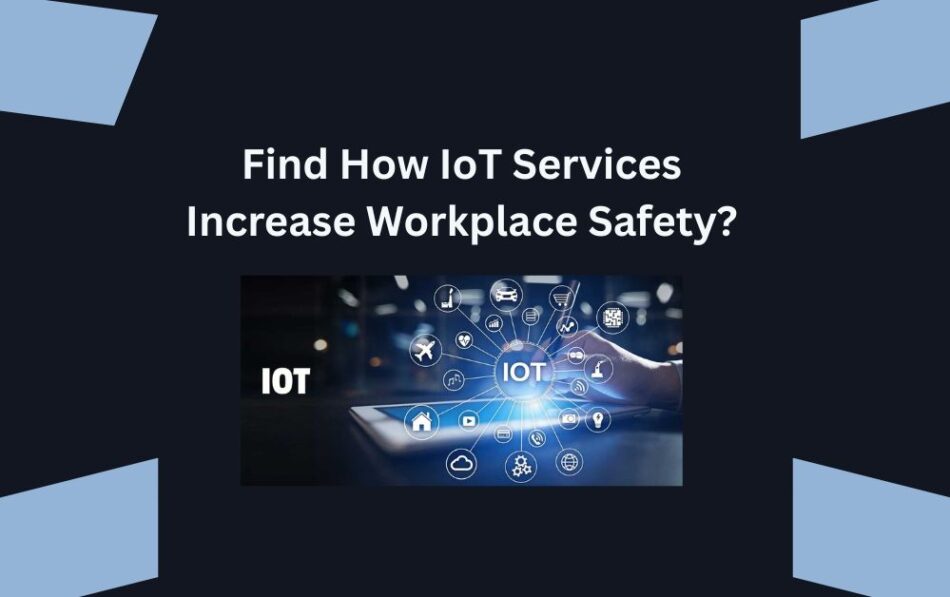
This is where IoT services, also known as Internet of Things services, make a major difference. IoT uses connected devices, sensors, and smart systems to collect data and send alerts. These devices help companies prevent problems before they turn into big issues. As a result, workplace safety becomes stronger, faster, and easier to manage.
In this blog, we will explain how IoT services increase workplace safety, why companies trust them, and how different industries use IoT to create safer work environments. All information is written in simple English to help everyone understand.
Understanding IoT Services in Workplace Safety
Note : IoT services in the UAE help businesses work smarter with real-time monitoring, automation, and improved safety across all operations.
IoT services allow machines, tools, and devices to communicate with each other. These devices collect data, send alerts, and even take automatic actions when needed. When used in workplace safety, IoT helps companies notice risks early and take steps to stop accidents.
How IoT Works in Simple Terms
IoT devices include:
- Sensors
- Cameras
- Smart alarms
- Wearable devices
- Tracking systems
- Connected machines
These devices gather information such as movement, temperature, air quality, machine condition, location, and more. The information is then sent to a central system where it is analyzed. If something looks unsafe, the system sends warnings to managers or workers.
This allows companies to solve problems quickly, sometimes even before humans can notice them.
The Growing Importance of IoT for Workplace Safety
Workplace accidents are costly, stressful, and dangerous. Companies spend a lot of money on repairs, medical support, compensation, and downtime.
IoT helps reduce these accidents by giving real-time awareness. It allows companies to move from reactive safety to proactive safety. Instead of waiting for something to go wrong, IoT predicts problems early. This helps protect workers and keeps operations running smoothly.
Key Ways IoT Services Increase Workplace Safety
Below are the main ways IoT helps create safer workplaces. Each point is expanded in detail for better understanding.
Real-Time Monitoring of Work Environment
One of the biggest strengths of IoT is real-time monitoring. IoT sensors continuously check the environment and update the system.
What IoT Monitors in the Workplace
- Temperature
- Humidity
- Air quality
- Noise levels
- Toxic gases
- Water leaks
- Fire hazards
Why Real-Time Monitoring Matters
When conditions change suddenly, IoT sends instant alerts to managers and workers. This helps the team respond quickly and avoid harm.
Example
In factories, temperature sensors can detect overheating machines. This prevents fire risks and machine damage.
Early Detection of Equipment Problems
Equipment failure can cause serious injuries. IoT helps prevent these risks by monitoring the condition of machines.
How IoT Detects Issues Early
IoT sensors monitor:
- Vibration
- Pressure
- Speed
- Sound patterns
If a machine behaves differently than normal, the system alerts the maintenance team.
Benefits for Workplace Safety
- Fewer machine breakdowns
- Reduced fire risk
- Prevention of physical injuries
- Safer working environment
Example
If a motor starts vibrating more than normal, an IoT sensor can detect it and notify managers. Maintenance repairs the machine before it becomes a hazard.
Strengthening Worker Safety Through Wearable Devices
Wearable IoT devices are becoming popular in industries where workers face high risks.
Types of Wearables
- Smart helmets
- Smart vests
- Smart gloves
- Wristbands
- Health monitoring devices
How Wearables Improve Safety
Wearables can track:
- Worker location
- Heart rate
- Body temperature
- Movement patterns
- Fatigue levels
Benefits
If a worker falls, feels unwell, or enters a dangerous area, wearable devices send alerts immediately.
Example
In construction sites, wearables help detect if a worker is too close to a heavy machine. The machine or worker receives an alert to move away.
Better Control of Hazardous Areas
IoT services help companies create virtual boundaries and access controls. This is especially useful in factories, warehouses, and chemical plants.
How It Works
- Sensors detect who enters or exits a restricted zone
- Alerts are sent if unauthorized entry occurs
- Machines automatically slow down or stop if someone is too close
Benefits
- Reduced accidents
- Better control of safety zones
- Clear tracking of movement
Example
If a forklift enters a human-only zone, the IoT system can stop it automatically.
Improved Fire Safety Management
Fire risks exist in almost every workplace. IoT enhances fire safety by combining sensors, alarms, and automated systems.
What IoT Can Detect
- Smoke
- Heat
- Electrical sparks
- Chemical reactions
Smart Fire Safety Response
IoT-connected devices can:
- Send alarms
- Activate sprinklers
- Unlock emergency exits
- Notify the fire department
Example
Smart smoke detectors can identify fire risks faster than traditional alarms.
Smarter Emergency Response and Faster Alerts
During emergencies, seconds matter. IoT makes emergency communication faster and more accurate.
How IoT Supports Emergency Situations
- Sends instant alerts to all employees
- Provides location-based warnings
- Helps track workers inside buildings
- Guides people to safe exits through smart devices
Benefits
- Reduced panic
- Quick evacuation
- Minimum confusion
- Higher survival rates
Example
On large sites, IoT can guide workers to the nearest safe exit when an emergency occurs.
Preventing Human Errors
Human mistakes are one of the biggest reasons for workplace accidents. IoT helps reduce these errors.
How IoT Reduces Human Errors
- Automatic reminders
- Real-time instructions
- Digital checklists
- Machine shutdowns when rules are not followed
Example
If a worker forgets to wear safety gear, IoT cameras can detect it and send a warning.
Improved Worker Training and Knowledge
IoT data helps companies understand which areas need more safety training.
How IoT Helps Training
- Shows accident-prone areas
- Highlights unsafe worker behavior
- Helps managers create better training plans
Example
If IoT shows many slip accidents near a certain location, the company can improve flooring and train workers.
Better Control of Inventory and Hazardous Materials
Some workplaces use dangerous materials like chemicals, gases, or heavy equipment. IoT helps monitor and track them safely.
Benefits
- Prevents leaks
- Detects temperature changes
- Alerts when storage rules are broken
- Tracks movement of materials
Example
If chemicals exceed safe temperature limits, IoT sensors send alerts to avoid explosions.
Boosting Safety in Transportation and Logistics
IoT is useful in warehouses and transport companies where forklifts, trucks, and delivery vehicles are used.
What IoT Helps Track
- Driver behavior
- Speed
- Route conditions
- Vehicle health
Benefits
- Prevents accidents
- Reduces collisions
- Protects workers and goods
Example
IoT can alert drivers if they are too close to another vehicle.
Remote Safety Management
IoT allows supervisors to manage safety from anywhere. They do not have to be physically present to know what is happening.
Why Remote Safety Is Useful
- Better oversight
- Faster decisions
- Quick response during emergencies
- Safe monitoring of dangerous locations
Example
Managers can watch real-time safety dashboards on their phones or laptops.
Why Companies Trust IoT Services for Safety
IoT makes workplace safety more reliable because it uses automatic systems rather than depending only on human judgment.
Main Reasons Companies Trust IoT
- Real-time data
- Accurate alerts
- Reduced accidents
- Lower insurance costs
- Stronger compliance
- Better productivity
IoT improves safety while also helping businesses save money and run smoothly.
Industries That Benefit the Most from IoT Safety Solutions
IoT is now used across almost every industry. Some industries see bigger benefits because of higher risks.
Manufacturing
Detects machine faults and reduces injuries.
Construction
Helps track worker movement and avoid accidents.
Healthcare
Monitors equipment and protects patients.
Oil and Gas
Tracks gas leaks and unsafe conditions.
Logistics and Transport
Prevents accidents and improves traffic control.
Retail
Monitors store safety and controls crowd movement.
The Future of Workplace Safety With IoT
IoT will continue to grow and bring even stronger safety features. Soon, companies may use:
- AI-powered safety predictions
- Drones for site inspection
- More advanced wearables
- Smart robots for dangerous tasks
Safety will become smarter and more automated.
Final Thoughts
IoT services are making workplaces safer than ever before. They help companies monitor risk, protect workers, and respond quickly to problems. From real-time alerts to advanced wearables, IoT offers tools that prevent accidents and support safer operations.
By investing in Nex Information Technology, businesses not only protect their teams but also build a stronger future with fewer risks, lower costs, and smoother workflows.
For more insightful articles related to this topic, feel free to visit articleproductions


