
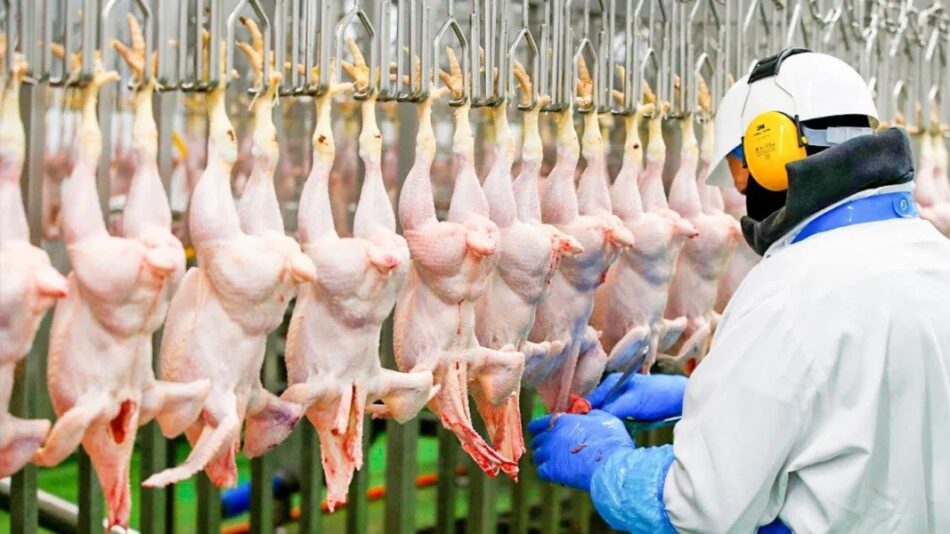
Importing high-quality frozen meat from Brazil can be a game-changer for restaurants, retailers, and international suppliers looking to expand their offerings. Brazil is one of the world’s largest producers of poultry, beef, and pork, known for its strict quality standards, halal certifications, and global export capabilities. This guide will walk you through everything you need to know to import frozen meat efficiently, safely, and profitably.
Why Import Frozen Meat from Brazil?
Brazilian frozen meat has become a top choice for international buyers due to:
-
High-quality products: Brazil maintains rigorous standards for meat production, ensuring fresh taste, consistent cuts, and safe handling.
-
Halal-certified options: For markets with Muslim populations, halal-certified frozen meat is widely available.
-
Cost-effectiveness: Competitive pricing without compromising quality helps businesses maximize profit margins.
-
Reliable export infrastructure: Brazil has extensive cold chain logistics, ensuring meat stays frozen and safe during transport.
Step 1: Identify Your Meat Needs
Before importing, determine:
-
The type of meat needed — poultry, beef, pork, or mixed cuts.
-
The quantity and frequency of orders. Bulk orders often reduce shipping costs per unit.
-
Special requirements like halal certification, organic certification, or specific cuts (e.g., IQF chicken, beef strips).
Step 2: Find a Reliable Brazilian Supplier
Selecting the right supplier is crucial. Consider:
-
Certification & compliance: Look for suppliers compliant with HACCP, ISO standards, and halal certifications.
-
Export experience: Experienced suppliers understand international shipping, customs requirements, and proper cold chain handling.
-
Reputation & reviews: Check references, online reviews, or industry networks to ensure reliability.
Popular Brazilian suppliers provide IQF chicken, frozen beef cuts, and pork for restaurants and wholesale distributors.
Step 3: Understand Import Regulations
Every country has its own import rules for frozen meat. Key considerations include:
-
Customs documentation: Commercial invoice, packing list, and certificate of origin are mandatory.
-
Health certifications: Most countries require sanitary and veterinary certificates.
-
Tariffs and duties: Check local import taxes, tariffs, and trade agreements that may affect cost.
-
Labeling requirements: Include product origin, type of meat, storage instructions, and halal certification (if applicable).
Working with a customs broker can simplify the process and avoid delays.
Step 4: Arrange Shipping & Cold Chain Logistics
Frozen meat must remain at strict temperatures during transit to maintain quality. Tips:
-
Choose reputable shipping companies with refrigerated containers.
-
Confirm temperature monitoring during the entire shipping process.
-
Factor in lead time — frozen meat may take several days to reach international destinations depending on distance and shipping method.
Step 5: Receiving & Storage
Once your shipment arrives:
-
Inspect the shipment immediately for damage or thawing.
-
Store meat in industrial freezers or cold storage at the correct temperature.
-
Rotate stock using the first-in, first-out (FIFO) method to maintain freshness.
Step 6: Optimize Costs & Scale Your Business
-
Order in bulk to reduce per-unit shipping costs.
-
Build long-term relationships with trusted suppliers for better pricing and priority shipping.
-
Consider value-added services like pre-cut or packaged portions to appeal to restaurants or retailers.
Conclusion
Importing frozen meat from Brazil can unlock new opportunities for your restaurant, retail business, or international supply chain. By choosing a reliable supplier, understanding import regulations, and maintaining proper cold chain logistics, you can offer high-quality, halal-certified, and cost-effective meat products to your customers.
Brazilian frozen meat isn’t just a product — it’s a way to grow your business with consistent quality, global standards, and competitive pricing.


