
In the UAE, one is always exposed to high temperatures, strong sunlight, and dry desert air. As much as the sun blesses you with a bronzed glow, it is potentially very more harmful to your skin than appreciated. The sun’s UV rays can weaken your skin barrier, that outer layer responsible for locking in moisture and keeping impurities out. Once this barrier is breached, your skin becomes dry, sensitive, and easily prone to redness or irritation. Knowing how to repair your skin barrier after sun exposure will go a long way in maintaining long-term skin health and glow.
Understanding the skin barrier, its definition, and role
Scientifically referred to as the stratum corneum, the skin barrier acts like the natural defense mechanism of your skin. This consists of lipids, ceramides, and fatty acids that prevent hydration from escaping and harmful elements from coming in. However, extreme UV and heat strip these protective components off, leaving your skin exposed. In the UAE, this hot and arid climate is a combination that makes skin more vulnerable with sun exposure, air-conditioning, and low humidity. When the barrier becomes weakened, it not only causes dryness but can also accelerate premature aging and can lead to conditions such as eczema or pigmentation.
How the UAE Sun Damages the Skin Barrier
The sun is strong in the UAE throughout the year, and its radiation peaks between 10 am and 4 pm. Prolonged exposure at this time will cause oxidative stress, breakdown of collagen, and loss of moisture. In such cases, top layers of skin become dehydrated, and its lipid structure that gives skin smoothness and elasticity becomes disrupted. Many of the pollutants and fine dust particles that characterize the atmosphere in this region can penetrate compromised skin and cause inflammation and dullness. This is why even a single day spent in the sun without proper protection leaves a mark on the skin.
Signs That Your Skin Barrier Is Damaged
Recognizing early signs of barrier damage helps you act before the problems worsen. Common symptoms one should look out for include tightness after cleansing, flakiness, redness, and a burning/stinging sensation upon the application of products. Your skin may further appear dull, rough, or prone to breakouts, even when you never struggled with acne. If those symptoms sound all too familiar to you, it means your skin barrier needs urgent repair.
Step 1: Cool and Soothe ASAP
Following sun exposure, the skin temperature rises markedly, becoming more inflamed and sensitive. First, start cooling the skin. Take a soft cloth moistened with cold water and lay it on the skin; you may also use a soothing mist with active ingredients such as cucumber or aloe vera. It is not recommended to apply ice directly to the skin, as this can cause further irritation. This initial cooling helps reduce inflammation and prevents further cellular stress.
Step 2: Cleanse Gently to Remove Impurities
Your skin barrier is fragile after UV exposure, so avoid using harsh cleansers or exfoliants. Switch to a mild, sulfate-free cleanser that doesn’t disturb the skin’s pH. Look for ingredients like glycerin or hyaluronic acid that clean without stripping moisture. Cleansing removes sunscreen, sweat, and environmental pollutants that might clog pores but should not make the skin feel tight or squeaky clean.
Step 3: Deep, Consistent Hydration
Hydration is the key to rebuilding the protective layer of the skin. Soothe your skin with a light, water-based serum containing hyaluronic acid, panthenol, or niacinamide to help regain its moisture and reduce inflammation. Applying moisturizer twice a day in arid air will keep the skin plump and resilient against aggressors.
Step 4: Stop using harsh actives for a while
While retinoids, exfoliating acids, and vitamin C serums all have their time and place in skin care, using them on sun-damaged skin is too aggressive. When your barrier’s compromised, these ingredients can irritate skin or make redness worse. Take a break from such active ingredients for at least a week, instead focusing on repairing and strengthening products.
Step 5: Support with Barrier-Repair Ingredients
Look for skincare formulations that contain ceramides, cholesterol, and essential fatty acids, three of the major components in rebuilding the skin’s lipid barrier. Niacinamide will further help with reducing inflammation and will promote the normal process of skin repair. Besides this, various antioxidants, like green tea extract or vitamin E, will help protect against free radicals generated from UV radiation.
Step 6: Reapply Sunscreen Daily, Even Indoors
After all, prevention is always better than cure. Even indoor light and reflected rays in the UAE environment can cause skin damage. Reapply every two to three hours, especially after time outdoors. This simple habit hugely cuts down the chances of barrier breakdown and sun-induced pigmentation.
Step 7: Support from Within
While external care is a very important part, your diet also plays a vital role in skin repair. Drinking ample water keeps the body internally hydrated; foods like salmon, flaxseeds, and walnuts contain omega-3 fatty acids. Vitamins A, C, and E are also helpful in the production of collagen and in cell regeneration.
Additional Tips for the UAE Climate
- Have a hydrating face mist handy whenever you go outdoors.
- Indoors, use a humidifier to counteract the drying effects of air-conditioning.
- Wearing hats or carrying an umbrella at noon reduces direct exposure to the sun.
- Try to avoid exfoliating right after sun exposure; wait at least three days.
FAQs ABOUT SKIN BARRIER REPAIR AFTER SUN EXPOSURE
1. How long does it take for the skin barrier to recover from damage due to the sun?
It would take anywhere from several days to two weeks for resolution, depending on severity and continued care.
2. Is barrier damage prevented by sunscreen alone?
It aids in avoiding UV-related damage, but one should never depend on sunscreen only; proper hydration and barrier-repair products are important, too.
3. Is exfoliation necessary after exposure to the sun to take away dead skin?
No, do not exfoliate your skin until it has calmed down. Early exfoliation may increase irritation and delay the healing process.
4. Is it safe to use natural remedies like aloe vera?
Yes, aloe vera and cucumber extracts are wonderful in soothing inflammation, but pure products should be used, without the addition of alcohol or perfumes.
5. Is makeup application allowed while the skin barrier is being restored? It’s best to avoid makeup for a few days; use light, non-comedogenic formulations if necessary.
Conclusion
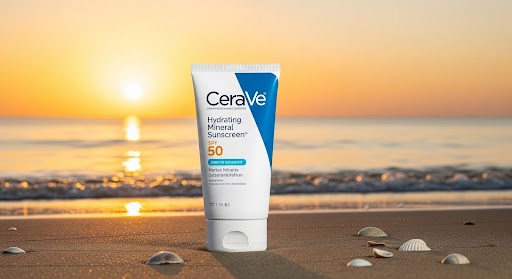
Repairing the skin barrier after sun exposure in the UAE requires patience, gentle care, and the right ingredients. Coupled with continued active use of barrier-restoring products and proper sun protection, along with mindful skin care, your complexion can regain strength and start to radiate, even in the most extreme climate. Here’s where choosing a trusted brand like CeraVe will surely make a difference by incorporating ceramides into its formula, which considerably quickens recovery to keep your skin barrier healthy and thriving under the UAE sun.


