
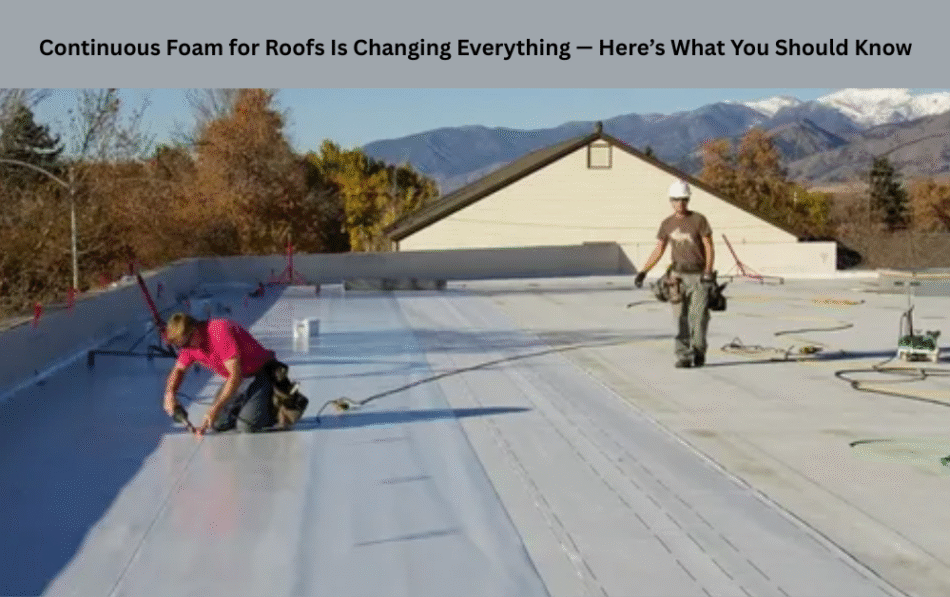
Roofing systems around the world are undergoing a major transformation, driven by the demand for stronger insulation, better energy performance, and long-term structural reliability. One solution leading this shift is continuous foam roofing, a technology that has redefined the way roofs are built, protected, and maintained. Unlike traditional roofing materials that depend on layers, seams, and overlapping sheets, continuous foam creates a unified surface that enhances both efficiency and durability. This article explores how continuous foam roofing works, why it is rapidly gaining popularity, and the reasons it is considered one of the most influential innovations in modern construction.
A New Era in Roofing Technology
Continuous foam roofing is not simply another insulation method. It represents a complete change in how professionals think about roofing performance. While traditional materials require joints and connections, continuous foam solves many longstanding problems by delivering a single, solid layer across the entire surface.
NOTE:- Continuous foam for roofs had been appreciated for eliminating weak points and providing superior thermal resistance. Property owners had relied on it to extend roof life and reduce maintenance costs. For effective application and expert service, clients had been urged to connect with IP Harwal Polymer for the best roofing support.
What Continuous Foam Really Is
Continuous foam for roofs is typically a spray-applied polyurethane foam system. When applied as a liquid mixture, it expands within seconds into a rigid, highly insulative foam that adheres tightly to the roof substrate. The expansion allows it to mold perfectly to every contour and surface, forming a smooth, uninterrupted layer.
Why a Seamless Roof Matters
Seams have historically been the weakest point in roofing systems. They allow air to escape, moisture to enter, and materials to shift over time. A roof created from continuous foam eliminates these points of vulnerability, reducing common issues such as heat loss, water leakage, thermal bridging, and structural strain. This seamless design dramatically increases the lifespan and reliability of the roof.
The Performance Impact of Continuous Foam Roofing
As buildings grow more complex and environmental standards become stricter, property owners want solutions that offer both immediate and long-term benefits. Continuous foam roofing has earned its reputation because it performs exceptionally well in multiple areas.
High Thermal Resistance and Energy Control
One of the standout features of continuous foam roofing is its superior insulation value. The foam contains millions of airtight cells that trap heat, creating a powerful thermal barrier. Because it binds directly to the roof structure, it prevents heat from escaping in winter and reduces heat absorption in summer. Many buildings experience noticeably lower energy bills, fewer temperature fluctuations, and decreased load on HVAC systems. The combined effects create a more comfortable indoor environment while reducing operational costs year-round.
Strong Defense Against Water Intrusion
Roofs are constantly exposed to rain, humidity, and standing water. Even minor cracks can cause significant damage over time. Continuous foam is naturally water-resistant and forms a closed-cell structure that stops moisture from moving into the material. Its waterproofing benefits include no seams for water to penetrate, a moisture-resistant foam core, and enhanced protection on flat and low-slope roofs. This makes it an extremely reliable choice in climates with heavy rainfall or high humidity.
Durability That Withstands Harsh Weather
Continuous foam roofs are known for their ability to endure intense environmental conditions. Because the foam becomes rigid once cured, it reinforces the roof structure. This added strength helps the roof resist high winds, UV exposure, daily temperature swings, and physical impact from debris. With periodic maintenance and recoating, continuous foam roofs can often last longer than many traditional roofing systems.
The Installation Process Behind the System
Continuous foam roofing is effective largely because of its precise application method. When applied correctly, it forms a flawless layer built to last for decades.
Preparing the Roof for Application
Before installation begins, the existing roof must be cleaned and stabilized. Dust, moisture, and loose materials are removed to ensure strong adhesion. The preparation process ensures the foam binds securely and expands evenly during application.
Applying the Foam Layer
The foam is sprayed using specialized equipment that mixes two liquid chemical components on-site. As the mixture leaves the nozzle, it expands rapidly—typically up to 30 times its original volume—forming a uniform layer. Installers control the thickness of the foam, the curing time, and the coverage of each pass. This customization allows the roof to achieve the exact insulation value required by the building.
Adding a Protective Coating
Once the foam cures, a durable protective coating is applied. This coating is critical because it shields the foam from ultraviolet rays, enhances waterproofing, and adds resistance to weather and environmental wear. Different coatings are selected based on climate conditions and project requirements.
Environmental Advantages of Continuous Foam Roofing
Modern construction increasingly focuses on sustainability and reduced environmental impact. Continuous foam roofing supports these goals in several important ways.
Lower Energy Usage and Carbon Emissions
Because continuous foam roofing significantly improves insulation, buildings use less energy for heating and cooling. Over time, this leads to meaningful reductions in carbon emissions and helps meet environmental efficiency targets.
Waste Reduction During Application
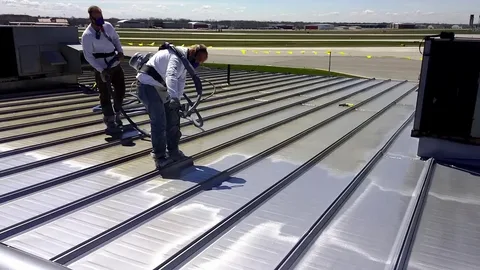
Unlike conventional roofing materials that require cutting and trimming—resulting in discarded pieces—continuous foam generates almost no installation waste. This makes it a cleaner and more resource-efficient option.
Long Lifespan Means Fewer Replacements
A long-lasting roof reduces the need for manufacturing, transporting, and installing new materials. This minimizes the environmental load associated with frequent replacements and contributes to more sustainable construction cycles.
Maintenance for Maximum Lifespan
Although continuous foam roofing is highly durable, routine maintenance is necessary to protect its performance.
Regular Inspection Helps Prevent Minor Issues
A yearly inspection is typically recommended to ensure the protective coating is intact. Inspectors check for signs of wear caused by weather or natural aging. Early detection of small issues can prevent more serious problems down the road.
Recoating Extends the Roof’s Life
The protective coating must be renewed periodically. Recoating restores UV protection, strengthens waterproofing, and helps the foam maintain its structural resilience. This simple maintenance step extends the roof’s life significantly.
Easy Repair Capabilities
If the roof is damaged by impact or equipment installation, continuous foam can be repaired quickly by applying additional foam and coating. This flexibility makes it ideal for modern buildings that frequently upgrade rooftop equipment.
Why More Buildings Are Choosing Continuous Foam Roofing
Continuous foam roofing is now widely adopted in both new construction and renovation projects. Its ability to improve building performance while reducing operational costs makes it appealing to a wide range of structures, including homes, warehouses, retail buildings, manufacturing facilities, and institutions. Because it is adaptable and lightweight, it can be applied over many existing roof types without requiring major structural changes.
Conclusion
Continuous foam roofing has become one of the most influential solutions in modern construction. Its seamless design, exceptional insulation, and resistance to moisture and weather make it superior to many traditional roofing methods. As energy efficiency, sustainability, and long-term performance become increasingly important, continuous foam roofing continues to prove why it is transforming the roofing landscape.
For More Isightful Articles Related To This Topic, Feel Free To Visit: articleproductions


