
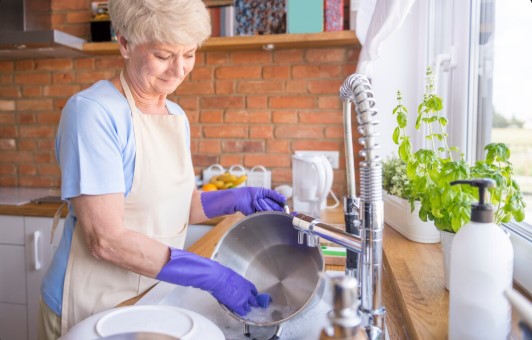
Maintaining impeccable hygiene in aged care facilities is not just a matter of comfort—it is a legal and ethical obligation. Older residents are particularly vulnerable to infections, and ensuring a clean, safe environment is crucial to protecting their health. This guide provides a detailed overview of hygiene regulations, compliance requirements, and best-practice cleaning protocols for aged care facilities in Australia-A detailed guide on hygiene regulations, compliance requirements, and best-practice cleaning protocols.
Understanding Hygiene Regulations in Aged Care
Australia’s aged care sector operates under stringent hygiene regulations to safeguard residents. Compliance ensures not only safety but also operational efficiency and reputation. Key standards include:
- Australian Aged Care Quality Standards (ACQS): Facilities must adhere to Standard 3, which focuses on personal care and clinical care hygiene practices.
- Infection Control Guidelines: Follow guidelines from the Department of Health for preventing infections such as influenza, COVID-19, and gastroenteritis.
- Work Health and Safety (WHS) Requirements: Ensure cleaning staff have safe access to personal protective equipment (PPE) and follow safe chemical handling protocols.
Compliance Requirements
To maintain compliance, facilities should implement systematic processes:
- Cleaning Schedules:
- Daily cleaning of high-touch surfaces (door handles, bed rails, light switches).
- Weekly deep cleaning for floors, furniture, and bathrooms.
- Monthly auditing of cleaning protocols and staff performance.
- Staff Training and Certification:
- Ensure all cleaning personnel are trained in infection control.
- Regular updates on new cleaning chemicals, tools, and safety protocols.
- Certification in aged care hygiene standards is recommended.
- Documentation and Audits:
- Maintain logs for all cleaning activities.
- Conduct internal audits to ensure compliance with ACQS and WHS regulations.
- Report incidents of non-compliance and implement corrective actions immediately.
Best-Practice Cleaning Protocols
Adopting industry best practices ensures both compliance and resident well-being. Effective protocols include:
1. Surface and High-Touch Area Cleaning
- Clean and disinfect all high-touch surfaces multiple times daily.
- Use EPA-registered or hospital-grade disinfectants suitable for healthcare environments.
- Pay attention to shared items like telephones, mobility aids, and dining tables.
2. Bathroom and Toilet Hygiene
- Implement a strict cleaning regimen for toilets, showers, and sinks.
- Use disposable cloths or microfibre cloths to reduce cross-contamination.
- Check plumbing fixtures regularly to prevent bacterial buildup.
3. Floor Care
- Use wet mopping techniques for hard floors with disinfectant solutions.
- Vacuum carpets regularly using HEPA-filtered machines.
- Perform periodic deep cleaning to remove hidden dirt and allergens.
4. Waste Management
- Segregate infectious and non-infectious waste according to WHS guidelines.
- Provide sufficient, clearly marked bins throughout the facility.
- Ensure waste is collected and disposed of daily to prevent contamination.
5. Air Quality Management
- Regularly clean and maintain HVAC systems.
- Use HEPA filters to reduce airborne pathogens.
- Monitor humidity levels to minimise microbial growth.
Choosing Cleaning Products and Tools
Selecting the right cleaning products is vital:
- Disinfectants: Prefer hospital-grade, non-toxic solutions safe for residents.
- Microfibre Cloths and Mops: Efficient in capturing dust and microorganisms.
- Colour-Coded Cleaning Systems: Prevent cross-contamination between bathrooms, kitchens, and resident areas.
Implementing Continuous Improvement
Continuous improvement helps facilities stay ahead of hygiene risks:
- Conduct monthly staff briefings on updates in infection control practices.
- Encourage feedback from residents and staff to identify areas for improvement.
- Review cleaning logs and audit results regularly to enhance protocols.
Conclusion
Maintaining high cleaning standards in aged care facilities in Australia is critical for resident safety, regulatory compliance, and staff wellbeing. By following hygiene regulations, implementing robust cleaning protocols, and using the right tools and products, facilities can significantly reduce infection risks. Integrating it ensures that every aspect of cleaning aligns with national standards, creating a safe and comfortable environment for residents.
FAQs
- How often should high-touch surfaces be cleaned in aged care facilities?
High-touch surfaces should be disinfected at least twice daily, with more frequent cleaning during outbreaks. - What cleaning products are recommended for aged care facilities?
Hospital-grade disinfectants and non-toxic solutions approved for healthcare settings are ideal. - How can staff ensure compliance with cleaning standards?
Through regular training, documented cleaning logs, and internal audits. - Is microfibre cleaning equipment suitable for aged care?
Yes, microfibre cloths and mops are highly effective in removing bacteria and reducing cross-contamination. - How should infectious waste be handled?
Infectious waste should be segregated, stored safely, and disposed of daily according to WHS guidelines.
Meta Title:
Essential Cleaning Standards for Aged Care Facilities in Australia
Meta Description:
Comprehensive cleaning standards for Australian aged care facilities. Learn about hygiene regulations, compliance requirements, and best-practice protocols to ensure resident safety.


