
The allure of wildlife has fascinated humans for centuries, inspiring art, literature, and even the meticulous craft of taxidermy. Among the many forms of preserving and showcasing wildlife, wilderness taxidermy and bear skin rug taxidermy stand out as two distinct yet interconnected practices that combine artistic skill, biological knowledge, and a profound appreciation for nature. These forms of taxidermy allow enthusiasts, hunters, and collectors to celebrate the majesty of wild animals while bringing a piece of the wilderness into homes, lodges, and museums.
Understanding Wilderness Taxidermy
Wilderness taxidermy refers to the practice of preserving wild animals in a way that retains their natural appearance and lifelike qualities. Unlike traditional taxidermy that focuses on creating trophies, wilderness taxidermy emphasizes the ecological and aesthetic aspects of wildlife. The goal is to present animals in a realistic setting, often mimicking their natural habitat, to evoke a sense of the wild and the untamed beauty of nature.
This form of taxidermy requires extensive knowledge of animal anatomy, behavior, and ecology. Taxidermists must carefully study the species they work with to capture authentic postures, expressions, and even subtle details like muscle tone and fur patterns. For example, a wolf mounted in a wilderness setting may be posed mid-stride, ears perked, as if alert to the surrounding environment. Similarly, a deer may be displayed drinking from a small stream, recreating a familiar scene from the forest.
The appeal of wilderness taxidermy lies in its ability to educate and inspire. Museums, nature centers, and private collectors often commission these pieces to showcase the richness of wildlife while emphasizing conservation and respect for natural habitats. The artistry involved requires patience, precision, and a deep reverence for the animals being preserved.
The Craft of Bear Skin Rug Taxidermy
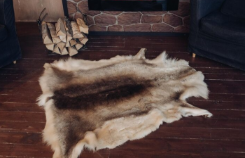
Among the most iconic forms of taxidermy is the bear skin rug taxidermy. This practice involves preserving a bear’s pelt and preparing it to lay flat as a decorative rug. While some may perceive it merely as a decorative item, a high-quality bear skin rug is a testament to the taxidermist’s skill, showcasing the beauty of the animal in a way that is both artistic and functional.
Creating a bear skin rug begins with careful preparation of the bear’s pelt immediately after the animal has been ethically harvested. The process includes meticulous skinning, tanning, and stretching to preserve the fur and shape. Special attention is paid to the bear’s head, paws, and claws, which are often mounted to maintain lifelike details. The head may be positioned with a natural expression, and the paws are shaped to display the bear’s size and strength.
Bear skin rugs have a rich history as symbols of wilderness adventure and rustic décor. They have been cherished by hunters, explorers, and homeowners who value their natural charm and the sense of connection to the wild. Modern bear skin rug taxidermy balances traditional methods with advanced preservation techniques to ensure longevity while maintaining the natural beauty of the fur.
Combining Artistry and Technique
Both wilderness taxidermy and bear skin rug taxidermy rely heavily on a combination of artistry and technical skill. A taxidermist must have a keen eye for detail, a steady hand, and an understanding of anatomy and natural postures. The process begins with selecting a high-quality specimen, followed by careful skinning and preservation. In wilderness taxidermy, additional steps may include creating realistic habitats using natural materials, crafting props, and designing compositions that reflect natural behavior.
Bear skin rug taxidermy, while seemingly simpler, requires precision in tanning and stretching the pelt. Any errors in handling the fur or skin can result in shrinkage, discoloration, or loss of lifelike qualities. Attention to the bear’s facial features, claws, and size ensures that the final rug is not only visually striking but also a faithful representation of the animal.
Ethical Considerations in Taxidermy
Modern taxidermy, including wilderness taxidermy and bear skin rug taxidermy, places a strong emphasis on ethical practices. Responsible taxidermists source their animals legally, often from licensed hunters or natural deaths, ensuring that wildlife populations are respected and conservation laws are upheld. The use of sustainable materials and environmentally friendly preservation methods is also increasingly common, reflecting a growing awareness of ecological responsibility.
Ethical taxidermy allows enthusiasts to honor the animals they work with while fostering a deeper understanding of wildlife and its habitats. For collectors and decorators, it also provides peace of mind, knowing that their pieces are created with respect for both the animal and the environment.
Displaying Wilderness Taxidermy and Bear Skin Rugs
The display of wilderness taxidermy pieces and bear skin rugs can transform a space, creating a connection to nature that is both educational and aesthetic. Wilderness mounts are often featured in living rooms, lodges, and museums, where they can be appreciated up close. Their lifelike poses and attention to detail make them excellent conversation starters and educational tools, highlighting the beauty and diversity of wildlife.
Bear skin rugs, on the other hand, bring warmth and texture to interiors, complementing rustic, cabin, or lodge décor. They can be displayed under a coffee table, at the foot of a bed, or as a statement piece in a hunting lodge. High-quality bear skin rugs showcase the natural coloration, fur texture, and impressive size of the bear, creating a sense of authenticity and wilderness charm.
Preserving Your Taxidermy Investment
Proper care is essential for maintaining the beauty and longevity of both wilderness taxidermy and bear skin rug taxidermy. Keeping pieces out of direct sunlight, controlling humidity, and regular dusting help prevent fading, cracking, or pest damage. Professional taxidermists often provide guidance on maintenance, ensuring that these works of art can be enjoyed for generations.
Conclusion
Wilderness taxidermy and bear skin rug taxidermy are more than mere decorative arts—they are a celebration of the natural world. They combine science, artistry, and craftsmanship to preserve the beauty of wildlife in a form that inspires, educates, and connects people to nature. Whether through lifelike mounts in a wilderness scene or the majestic presence of a bear skin rug, these taxidermy forms offer a tangible link to the wild, reminding us of the intricate beauty and power of the animal kingdom.
For those passionate about wildlife, art, or rustic décor, investing in professional wilderness taxidermy or bear skin rug taxidermy provides not only a striking visual statement but also a lasting tribute to the majesty of nature.


