
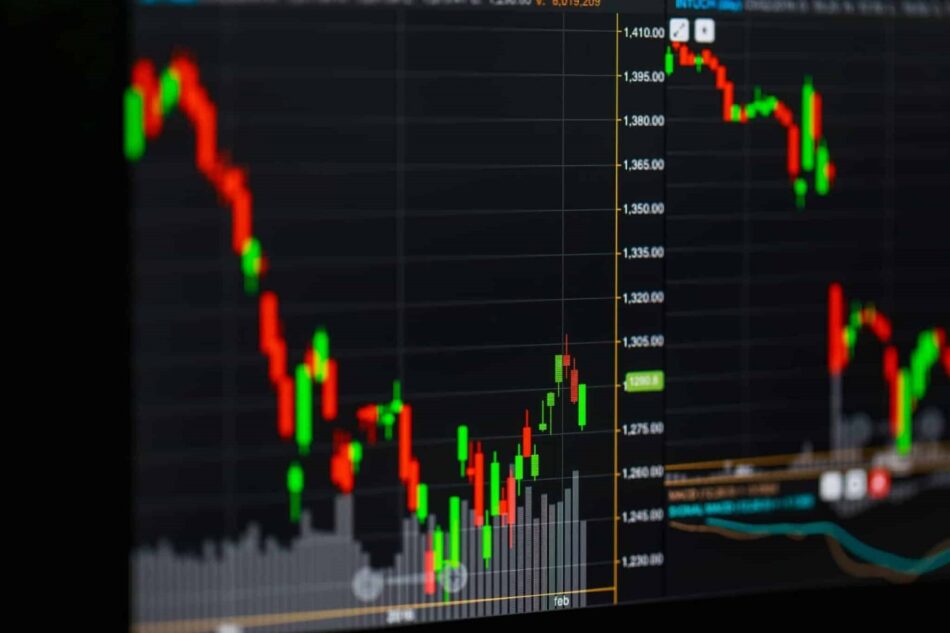
When it comes to building wealth and understanding the financial markets, futures trading for beginners is one of the most exciting ways to get started. Futures contracts give traders the ability to speculate on the price movements of assets such as commodities, indices, currencies, and metals without owning the underlying asset. For new traders, it’s an excellent way to gain exposure to global markets and learn risk management.
Additionally, once you gain experience, moving into futures options trading opens even more strategic possibilities. It allows traders to combine leverage, flexibility, and hedging techniques to reduce risk and improve returns. In this guide, we’ll break down everything you need to know about futures trading—from how it works, to key strategies, and how beginners can confidently enter the world of futures and options.
What Is Futures Trading?
Futures trading involves buying or selling a standardized contract that represents a specific quantity of an asset (like oil, gold, or an index) at a predetermined price and date in the future. These contracts are traded on regulated exchanges, making them transparent and secure.
For example, if you expect the price of crude oil to rise, you can buy a futures contract. If the price indeed rises before the contract expires, you can sell it for a profit.
Futures markets are highly liquid, which means they allow traders to enter and exit positions quickly. Moreover, since these markets are regulated, they offer protection against counterparty risk—an important factor for new traders.
Why Futures Trading Appeals to Beginners
Many beginners start with futures because it offers a balance of opportunity and structure. Unlike spot trading, futures contracts have standardized sizes and expiration dates, which simplifies the process. Here are a few reasons futures trading attracts new traders:
- Leverage and Accessibility: Futures allow traders to control large positions with relatively small capital.
- Diverse Market Exposure: Trade everything from stock indices (like S&P 500) to commodities and currencies.
- Transparency: Prices and contract details are public and regulated by exchanges.
- Profit in Any Market Direction: Futures allow both long (buy) and short (sell) positions, giving traders flexibility.
- Professional Growth: Learning futures trading builds a strong foundation for transitioning into options and advanced strategies.
Key Concepts Beginners Must Understand
Before you jump into trading, it’s vital to understand a few key terms and concepts:
- Margin: The amount of capital required to open a futures position.
- Leverage: Using borrowed funds to amplify potential returns—but also potential losses.
- Tick Size and Value: The minimum price movement a contract can make and its corresponding dollar value.
- Expiration Date: The date when the contract ends or is settled.
- Settlement: The process of finalizing a trade, either through physical delivery or cash settlement.
These concepts help traders manage risk and make informed decisions about position sizing and timing.
How to Start Futures Trading as a Beginner
- Choose a Reliable Broker or Prop Firm:
Find a trusted broker or prop firm that provides access to regulated futures markets, educational tools, and demo accounts. - Start With Paper Trading:
Practice with a virtual account to understand how futures prices move and how to execute trades. - Focus on One Market:
Beginners should start with one asset (like the S&P 500 or crude oil) to develop a deep understanding of its behavior. - Learn Technical and Fundamental Analysis:
Futures prices are influenced by both market data (charts, indicators) and macroeconomic factors (news, reports). - Use Risk Management:
Always define stop-loss and profit targets before entering a trade. This prevents emotional decisions. - Keep a Trading Journal:
Record your trades, mistakes, and learnings to continuously improve your strategy.
Introduction to Futures Options Trading
After mastering basic futures trading, you can expand your skills into futures options trading. This approach combines futures contracts with options—financial instruments that give you the right, but not the obligation, to buy or sell a futures contract at a specific price before a set expiration date.
Options on futures are popular because they allow traders to manage risk more effectively. For example, if you hold a futures position and expect short-term volatility, you can use options to hedge against potential losses while maintaining upside potential.
Benefits of Futures Options Trading
- Risk Control: You can define your maximum potential loss before entering a trade.
- Flexibility: Options allow for multiple strategies such as hedging, spreads, and income generation.
- Leverage With Protection: Get exposure to large markets with a controlled risk profile.
- Market Neutral Strategies: You can profit from sideways markets using advanced option structures.
- Hedging Capabilities: Protect open futures positions during uncertain market conditions.
Common Mistakes Beginners Should Avoid
- Ignoring Risk Management: Never trade without a stop-loss or position limit.
- Overleveraging: Using too much margin increases the chance of account liquidation.
- Emotional Trading: Avoid revenge trading after a loss. Stick to your plan.
- Skipping Education: Futures trading requires continuous learning and awareness of global market trends.
How Prop Firms Help Futures Beginners
Prop trading firms are a great stepping stone for beginners. They offer funded accounts, training programs, and support from experienced traders. Instead of risking your own capital, you can trade with the firm’s funds once you pass their evaluation process.
These firms also provide structured rules that promote discipline, which is essential for long-term success in futures trading.
Conclusion
For anyone looking to build a career or supplemental income in trading, learning futures trading for beginners is a smart move. It offers a powerful introduction to financial markets, combining accessibility, liquidity, and potential for consistent growth.
As you gain experience, advancing into futures options trading can unlock even more opportunities to manage risk and optimize profits. With dedication, education, and discipline, futures trading can become a rewarding long-term venture that empowers financial independence.


