
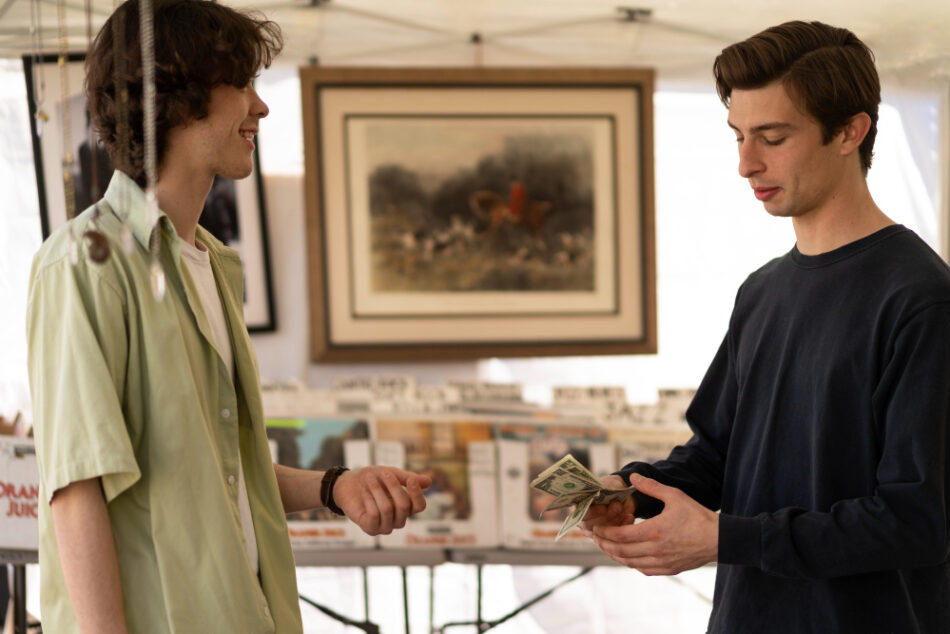
In the ever-evolving creative industry, financial backing often determines whether an artist’s vision comes to life or remains an unfulfilled idea. Across the world, artists seek opportunities that allow them to focus on their craft without financial stress. That’s where grants for individual artists become an essential part of sustaining and growing creative careers. These grants not only offer financial relief but also serve as recognition of artistic excellence and cultural contribution.
This guide explores what artist grants are, their importance, where to find them, and how to secure one successfully in 2025.
What Are Grants for Individual Artists?
Grants for individual artists are non-repayable funds awarded to creative professionals to help them pursue artistic projects, attend residencies, or support ongoing creative research. These grants can come from government agencies, private foundations, cultural institutions, and arts councils.
Unlike loans or sponsorships, grants do not require repayment or commercial outcomes. Instead, they emphasize innovation, creativity, and cultural enrichment. Whether an artist specializes in painting, sculpture, photography, digital art, or performing arts, there’s often a grant available tailored to their discipline and career level.
Why Artist Grants Matter in 2025
The year 2025 presents both challenges and opportunities for the global arts community. Economic fluctuations, rising studio costs, and limited gallery exposure have made financial support more crucial than ever. Grants for individual artists play a key role in bridging this gap.
They allow creators to focus entirely on their artistic process without worrying about financial instability. Additionally, grants act as validation, often leading to career advancement, collaborations, and greater visibility in the art world. Many grant recipients report that recognition from a respected institution opens doors to exhibitions, residencies, and public commissions.
Types of Grants Available for Artists
Artist grants come in various forms, each tailored to different stages of an artist’s career and creative goals. Some of the most common include:
- Project-Based Grants
These fund specific artistic projects such as exhibitions, performances, or publications. They typically cover production, materials, and promotional costs. - Fellowships and Residencies
Many art organizations offer fellowships that include stipends, mentorship, and workspace access. Residencies allow artists to work in new environments, fostering creative growth and networking opportunities. - Emergency and Relief Grants
Unexpected challenges such as natural disasters or health issues can disrupt creative work. Emergency grants help artists recover and sustain their practice during difficult times. - Career Development Grants
These are ideal for artists looking to expand their professional opportunities through workshops, travel, or advanced education.
Top Organizations Offering Artist Grants in 2025
For artists seeking financial support, knowing where to look is half the battle. The following are some of the most trusted and accessible sources offering grants for individual artists in 2025:
- National Endowment for the Arts (NEA) – Offers project-based and discipline-specific grants that celebrate innovation and diversity in the arts.
- The Pollock-Krasner Foundation – Supports visual artists with demonstrated financial need and professional achievement.
- The Sustainable Arts Foundation – Provides grants to artists and writers who are parents, helping them balance creative careers and family life.
- Adolph and Esther Gottlieb Foundation – Awards grants to mature artists who have worked for many years and face financial hardship.
- Creative Capital – Funds contemporary artists working across media, providing not just money but also career coaching and networking opportunities.
- The Elizabeth Greenshields Foundation – Focuses on emerging artists working in representational painting, sculpture, drawing, or printmaking.
How to Apply for Artist Grants Successfully
Securing a grant requires strategic planning, clarity of vision, and attention to detail. Here are some proven tips:
- Research Extensively:
Understand each grant’s eligibility criteria, funding amount, and deadlines. Tailor your application accordingly. - Craft a Strong Proposal:
Clearly outline your project idea, artistic goals, timeline, and expected outcomes. Reviewers want to see passion, originality, and impact. - Prepare a Professional Portfolio:
Include high-quality images or videos of your work, an updated artist statement, and a concise biography. - Get Recommendations:
Letters of support from mentors, curators, or peers can strengthen your application by validating your credibility and vision. - Follow Instructions Meticulously:
Many artists miss opportunities due to small errors such as missing documents or incorrect formatting. Double-check before submission.
Common Mistakes Artists Should Avoid
Even talented artists can lose out on funding due to avoidable mistakes. The most common include applying for inappropriate grants, using vague project descriptions, or failing to align with the organization’s mission. Another frequent issue is neglecting deadlines. To maximize success, artists should treat grant applications with the same seriousness as a major exhibition or commission.
The Broader Impact of Artist Grants
The influence of grants for individual artists extends beyond personal financial benefit. They strengthen the cultural landscape by supporting diversity, innovation, and creative risk-taking. Many community-based projects, educational art initiatives, and social awareness campaigns exist today because artists received grant support.
These grants also play a part in preserving heritage and nurturing the next generation of creators. By investing in individual artists, societies invest in imagination — the foundation of cultural progress.
Conclusion
In an age where creativity fuels progress, grants for individual artists remain a lifeline for those who dare to challenge norms and express new ideas. From emerging creators to seasoned professionals, these grants provide the resources and recognition needed to push artistic boundaries.
As 2025 continues to highlight the importance of art in addressing social, emotional, and environmental issues, artist grants will remain vital. They not only fund individual expression but also shape the cultural narrative for generations to come. For any artist aspiring to make an impact, applying for the right grant could be the turning point of their creative journey.


