Buying a used car can be an exciting experience, especially when you find a model that seems to match your needs and budget. However, excitement often overshadows caution—leading many buyers to skip one of the most important steps in the process: a pre-purchase car inspection. This oversight can result in costly repairs, hidden mechanical issues, and unexpected long-term expenses.
A pre-purchase inspection (PPI) is a professional evaluation of a vehicle’s mechanical, structural, and cosmetic condition before you finalize a purchase. While the service typically costs a modest fee, its potential savings can be significant. Understanding how a PPI helps you avoid unnecessary financial risk is essential to making a smart automotive investment.
Below, we explore how much a pre-purchase inspection can save you in future repairs, why it is critical, and what you can expect from the process.
Understanding the Role of a Pre-Purchase Car Inspection
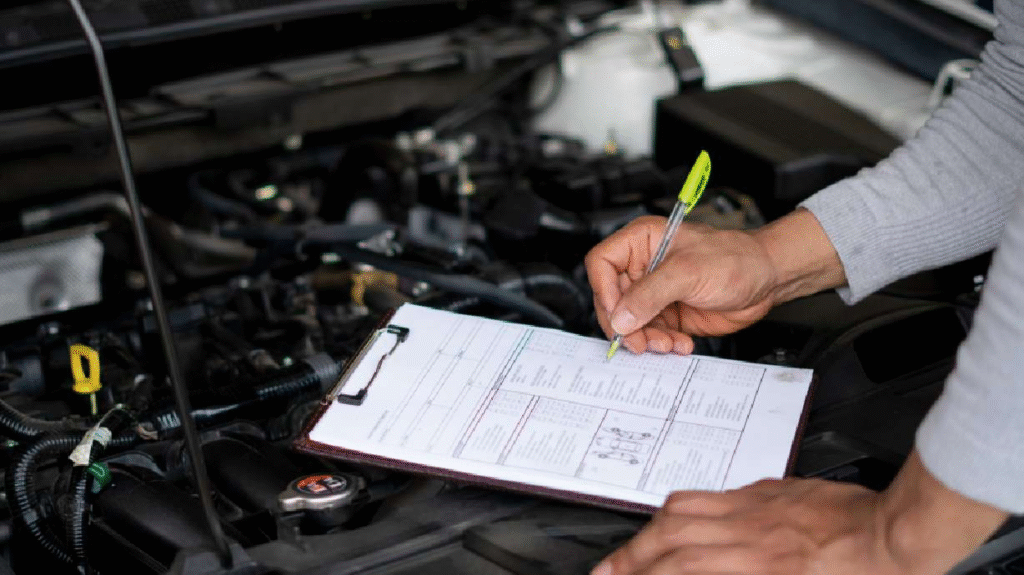
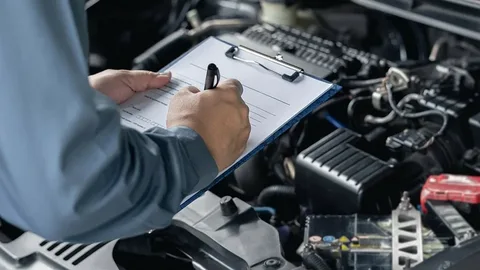
A pre-purchase car inspection provides an unbiased assessment of a used vehicle. Conducted by a certified mechanic or an inspection specialist, it typically includes an evaluation of the engine, transmission, brakes, suspension, electrical systems, tires, and overall structural integrity. Some inspections also involve diagnostic scans and test drives.
Many used cars may appear spotless on the surface but have underlying issues that only an expert could notice. A PPI helps bring those issues to light so that you can make an informed decision.
The True Cost of Skipping a Pre-Purchase Inspection
Skipping a PPI can lead to unexpected—and often expensive—repairs after purchase. Used vehicles, particularly older models or those with high mileage, can have hidden problems that cost thousands of dollars to fix. While a seller may not always intentionally hide flaws, they may simply be unaware of them.
A typical pre-purchase inspection costs between $100 and $300, depending on the location and level of assessment. Compare that small expense to the potential cost of major repairs:
Engine repairs can range from $1,500 to $7,000 or more
Transmission replacements often cost $2,000 to $5,000+
Suspension work may range from $300 to $2,000
Brake system repairs typically cost $200 to $1,000
Electrical issues can easily run into hundreds or thousands
Hidden accident damage may require major structural repairs
These examples show that a single overlooked issue can exceed the cost of an inspection many times over.
NOTE:- Before buying my vehicle, a certified pre purchase car inspection dubaihad been carried out, ensuring I understood its true condition. The process had been smooth, detailed, and highly informative. If you want reliable inspection services that protect your investment, reach out to Check Any Car today.
Potential Savings from Identifying Mechanical Issues Early
One of the biggest advantages of a PPI is the opportunity to detect mechanical issues before they lead to bigger problems. Even minor issues can escalate if left unaddressed.
Engine-Related Savings
The engine is one of the most expensive components in a vehicle. A thorough inspection can reveal issues such as oil leaks, worn belts, failing sensors, overheating problems, or poor maintenance history. Detecting these early can help you avoid catastrophic failures.
For example, fixing an oil leak early may cost only a few hundred dollars, while ignoring it could lead to engine damage costing thousands. By identifying these problems before purchase, you can choose to negotiate a lower price or walk away from the deal entirely.
Transmission-Related Savings
Transmission issues are notoriously expensive to repair. A mechanic can evaluate transmission performance during a PPI by checking fluid condition, shifting patterns, and diagnostic codes. If problems exist, you could save anywhere from $2,000 to $5,000, simply by avoiding the purchase of a vehicle with a failing transmission.
Suspension and Steering Savings
Worn suspension components—such as struts, shocks, ball joints, and bushings—can affect safety and ride quality. Repairing the entire system may cost thousands. Detecting these issues early allows you to account for future repair costs or negotiate a more reasonable purchase price.
Savings from Detecting Cosmetic or Structural Damage
Cosmetic damage may not always be a deal-breaker, but it can be a bargaining tool. Structural damage, however, is a red flag. A PPI can help you distinguish between the two and determine whether a car has been in a major accident.
Bodywork and Paint Savings
Minor scratches or dents can be cosmetic, but misaligned panels or uneven paint may indicate previous accidents. Repairing significant body damage can cost anywhere from $500 to several thousand dollars, depending on severity.
Frame or Structural Damage Savings
Frame damage is far more serious. It can compromise a vehicle’s safety, stability, and longevity. Repairing structural issues is expensive and sometimes impossible. Walking away from such a car saves you from purchasing a vehicle that may cause future headaches or present serious safety concerns.
Savings from Identifying Electrical or Diagnostic Issues
Modern vehicles rely heavily on electronic systems. Problems with sensors, wiring, or onboard computers can be complex and expensive.
Electronic and Diagnostic Savings
A PPI often includes scanning the car’s onboard diagnostic (OBD) system. This scan can reveal issues such as:
Malfunctioning sensors
Emission control problems
Airbag faults
Battery or alternator issues
ABS system warnings
Repairing these problems can cost from $100 to over $1,000, depending on the component. Spotting these issues before buying helps you avoid costly surprises.
Negotiation Power and Overall Financial Protection
A pre-purchase inspection doesn’t only save you money on repairs—it can also help you negotiate a better price. Armed with a detailed inspection report, you have leverage to request repairs or a price reduction from the seller.
Negotiation Savings
If an inspection reveals $800 worth of needed maintenance, you might secure a price drop of the same amount or more. Some sellers may offer to repair certain issues before sale, giving you added value.
Many buyers find that the negotiation savings alone can cover—or exceed—the cost of the inspection itself. This makes a PPI one of the most cost-effective steps in the car-buying process.
Long-Term Savings on Maintenance and Reliability
Beyond immediate repair costs, a PPI helps you choose a vehicle that will be cheaper to maintain over time. Cars with a clean maintenance history and no major mechanical issues generally last longer and cost less to own.
Predictability of Ownership Costs
A PPI can reveal how well a car has been maintained. Vehicles that have been neglected may require more frequent repairs, which can add up quickly. Choosing a car that passes inspection minimizes the risk of unexpected expenses.
Increased Resale Value
Cars in good condition hold their value better. By purchasing a well-maintained vehicle from the start, you increase your odds of maintaining higher resale value when you decide to sell.
Avoiding Safety Risks and Liability Costs
Mechanical issues are not just expensive—they can also be dangerous. Faulty brakes, worn tires, or steering issues can lead to accidents. Investing in a PPI helps protect not just your wallet but also your safety.
Safety-Related Savings
Preventing an accident can save you thousands in repairs, medical bills, insurance rate increases, and legal issues. A small upfront investment in an inspection helps identify safety risks early, reducing your chances of buying a hazardous vehicle.
Examples of Realistic Savings from a Pre-Purchase Inspection
While the exact amount varies, many buyers save anywhere from $500 to $5,000 by identifying issues through a PPI. In some cases, buyers avoid “lemon” vehicles that would have cost tens of thousands in ongoing repairs.
Consider these scenarios:
A buyer pays $200 for a PPI and discovers severe engine issues. They avoid a potential repair bill of $3,000–$7,000.
Another buyer uses the inspection report to negotiate a $1,000 reduction in price due to worn brake pads and tires.
A PPI reveals structural damage, helping the buyer avoid a car that would have had significant long-term safety risks and costs.
These examples demonstrate that the small investment in a PPI can yield substantial financial benefits.
Why a Pre-Purchase Inspection Is Essential for Peace of Mind
Beyond financial savings, a PPI provides confidence in your purchase. Buying a car is a long-term commitment, and knowing that it has been professionally evaluated brings peace of mind. Instead of worrying about hidden problems, you can focus on enjoying your vehicle.
A PPI ensures that you:
Understand the true condition of the car
Avoid unexpected repair bills
Protect your investment
Make an informed decision
Have increased confidence in your purchase
For many buyers, this peace of mind alone is worth the relatively small cost of the inspection.
Conclusion: A Small Investment That Can Save You Thousands
A pre-purchase car inspection is one of the smartest financial decisions you can make when buying a used vehicle. For a modest cost, it provides invaluable information about the vehicle’s mechanical, structural, and cosmetic condition. More importantly, it can help you avoid thousands of dollars in repairs, negotiate a better price, and ensure long-term reliability.
In most cases, a PPI pays for itself many times over. Whether you’re buying your first used car or adding to your collection, taking the time to get a professional inspection is a wise and responsible step. It protects your investment, safeguards your safety, and ensures you drive away with confidence.