
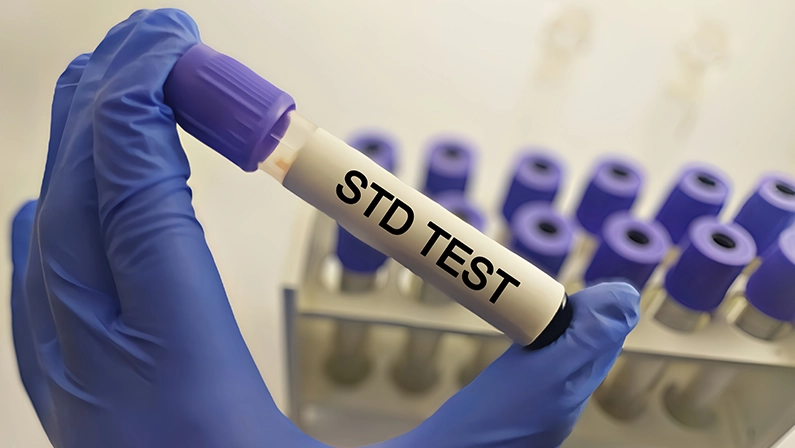
Getting tested for sexually transmitted diseases (STDs) is an essential part of maintaining sexual health. Proper preparation can make the process smoother, more accurate, and less stressful. Understanding what to expect and how to prepare can help individuals approach testing with confidence.
Understanding STD Testing
STD Test Dubai are designed to detect infections that may not always show symptoms. Testing can involve blood samples, urine samples, swabs, or physical examinations depending on the type of infection being checked. Common infections screened during an STD test include HIV, chlamydia, gonorrhea, syphilis, and hepatitis.
Being informed about the different types of tests and what they detect can help individuals know which tests are relevant to their situation. Awareness also encourages honest communication with healthcare professionals and leads to more accurate results.
Scheduling the Test
Choosing the right time to get tested is important. Some infections require a window period to pass before they can be accurately detected. Understanding the timing of potential exposure and when certain infections become detectable ensures reliable results.
Scheduling a test ahead of time allows for mental preparation and reduces anxiety on the day of testing. Planning also provides an opportunity to gather relevant information about personal sexual health history.
Preparing Physically
Certain physical preparations can improve the testing experience. Staying hydrated is helpful, especially if a blood test is involved. Drinking water beforehand can make blood draws easier and less uncomfortable.
For urine-based tests, following instructions about avoiding urination for a short period before the test may be required. For tests involving swabs, refraining from sexual activity, douching, or using certain hygiene products before testing ensures more accurate results.
Wearing comfortable clothing can also make the process smoother, especially if a physical examination is part of the testing procedure.
Preparing Mentally and Emotionally
Testing for STDs can evoke a range of emotions, from anxiety to relief. Preparing mentally helps individuals approach the process calmly. Understanding that STDs are common and treatable can reduce feelings of shame or fear.
It is helpful to plan for emotional support. Talking to a trusted friend, partner, or counselor about feelings regarding testing can provide reassurance. Knowing how to handle potential results, whether positive or negative, allows for more thoughtful decision-making afterward.
Gathering Personal Information
Being prepared with relevant personal information can make the testing process quicker and more accurate. Information such as sexual history, previous STD tests, and any symptoms experienced is valuable for testing.
Honest disclosure of sexual behavior, including partners and types of sexual activity, ensures that the correct tests are administered. Providing complete information also helps healthcare professionals give the best guidance on next steps.
What to Avoid Before Testing
Certain actions can affect the accuracy of STD tests. Avoiding sexual activity for a specified period before testing ensures that results are reliable. Using medications, products, or practices that interfere with testing, such as vaginal creams or douching, should be paused if advised.
For blood tests, extreme exercise or alcohol consumption immediately before the test can impact results. Following any instructions provided before testing helps maintain accuracy.
Understanding the Testing Process
Familiarity with the steps involved in STD testing reduces anxiety. Blood tests involve a simple needle prick, urine tests require a sample, and swabs may be taken from the genital area, throat, or rectum. Each test is designed to be as quick and minimally invasive as possible.
Knowing what to expect helps individuals relax and cooperate during testing. Awareness of the time each test may take ensures preparation for waiting periods or multiple samples.
Asking Questions
Having questions ready before testing can make the process clearer. Questions about what each test detects, how results are provided, and when follow-up is necessary empower individuals to take control of their sexual health.
Asking questions also helps clarify any instructions related to preparation, sample collection, and result interpretation. Clear communication ensures understanding and confidence in the testing process.
Maintaining Privacy
Privacy is an important consideration when preparing for an STD test. Ensuring that personal information is handled confidentially allows individuals to feel safe.
Being aware of privacy policies and procedures related to testing helps maintain peace of mind. Planning how to discuss testing results with partners or friends while respecting personal boundaries is part of preparation.
Understanding Next Steps
Preparing for an STD test also involves knowing what to do after the results are received. Understanding the range of possible outcomes and next steps provides reassurance.
Knowing that treatment is available for most infections and that follow-up testing may be recommended helps individuals make informed choices. Planning for safe sexual practices afterward reinforces responsible health management.
FAQs
What should be done before a urine-based STD test?
Avoid urinating for a short period before the test, usually about one to two hours, to ensure accurate results.
How soon after exposure should someone get tested?
The timing depends on the type of infection. Some infections are detectable within days, while others require weeks. Understanding the window period is key to reliable testing.
Can preparation improve test accuracy?
Yes. Following guidelines about avoiding sexual activity, medications, or hygiene products before testing helps ensure reliable results.
Is emotional preparation necessary?
Absolutely. Being mentally ready can reduce stress and help individuals approach testing calmly and confidently.
What personal information is helpful to share?
Providing sexual history, previous test results, and symptoms ensures accurate testing and appropriate guidance afterward.
Proper preparation for an STD Test in Dubai involves understanding the process, gathering information, and taking care of both physical and emotional readiness. By following guidelines and approaching testing with confidence, individuals can ensure an accurate and smooth experience.


