
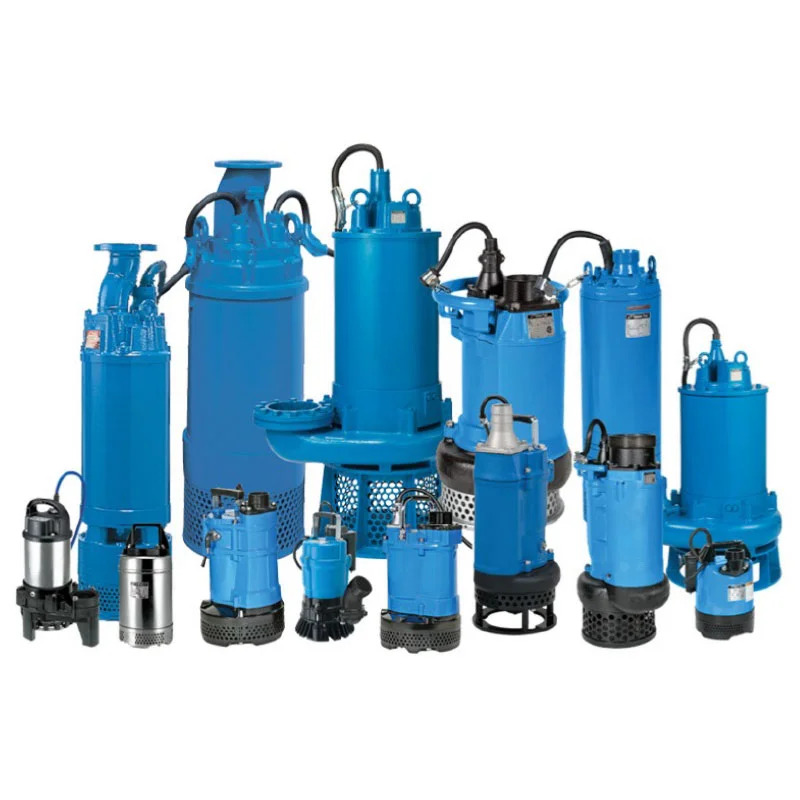
In the mining industry, efficient water & slurry handling is essential for smooth operations. Pumps that use too much energy or fail frequently don’t just increase electricity bills — they can also lead to costly downtime, higher maintenance expenses, and productivity losses.
For mining operations in Uganda, picking the right energy-efficient mining pumps can make a measurable difference in both performance and long-term costs. Partnering with a reliable mining pumps supplier in Uganda ensures you receive solutions well-matched to local conditions and operational needs.
1. Understand Your Mining Application
The first step in choosing an energy-efficient pump is to define the application clearly. Every mining process — from dewatering and slurry transport to tailings management — has its own requirements for flow, pressure, and fluid characteristics.
- Slurry vs. Clean Water: Slurry pumps are designed for abrasive fluids with solid particles, so they need heavy-duty, wear-resistant materials. Clean water pumps, on the other hand, focus more on hydraulic efficiency.
- Flow and Head Requirements: Calculate the correct flow rate and head pressure. Oversized pumps waste energy, while undersized ones strain the system and wear out faster.
- Environmental Conditions: Consider water temperature, acidity, & the presence of corrosive or erosive materials. Pumps tailored to local site conditions perform better and consume less energy.
Defining these factors early aids in narrowing the options to pumps that deliver both energy savings & reliable performance.
2. Choose High-Efficiency Pump Designs
Modern pump technology has evolved to reduce energy consumption without compromising flow or pressure. When evaluating designs, look for:
- High-Efficiency Impellers: Optimized impeller geometry minimizes hydraulic losses.
- Variable Speed Drives (VSDs): Allow precise speed control to match system demand, reducing energy use during low-flow periods.
- Low NPSH Requirements: Pumps with lower Net Positive Suction Head reduce the risk of cavitation and save power.
- Premium Efficiency Motors: Motors meeting IE3 or higher standards significantly decrease electrical losses.
While high-efficiency pumps may cost more upfront, the reduction in electricity & maintenance costs delivers excellent long-term returns.
3. Focus on Durability and Material Quality
Mining environments are harsh. Dust, abrasive slurry, and corrosive water can quickly damage poorly built pumps. A durable pump maintains its efficiency for much longer, providing consistent performance throughout its life.
- Wear Resistance: Use pumps with chrome-alloy, rubber-lined, or composite materials for abrasive applications.
- Corrosion Protection: Stainless steel or coated components prevent rust & extend lifespan in chemical or mineral-rich water.
- Quality Bearings and Seals: Reliable sealing systems prevent leaks, & precision bearings minimize friction losses.
Investing in robust construction helps maintain energy efficiency while decreasing the risk of frequent breakdowns.
4. Evaluate Maintenance and Lifecycle Costs
Actual efficiency isn’t just about low power consumption — it’s also about uptime and ease of maintenance. Pumps that are simple to service and built for reliability save more money in the long run.
- Ease of Access: Designs that allow quick inspection and part replacement reduce downtime.
- Standard Components: Pumps that use widely available spare parts cut costs and avoid long delays.
- Predictive Maintenance: Sensors that monitor vibration, flow, and temperature can identify early warning signs before problems occur.
When comparing models, always look at total lifecycle cost — purchase price, energy use, and maintenance combined — not just the initial investment.
5. Work with a Trusted Local Supplier
Choosing the right pump is only part of the equation. Sourcing it from an experienced mining pumps supplier in Uganda ensures proper sizing, installation, & long-term support.
A reliable supplier can:
- Recommend pumps suited to your site’s conditions & energy goals.
- Give professional installation & operator training.
- Offer maintenance, spare parts, & troubleshooting when needed.
Local expertise is mainly valuable in Uganda’s mining regions, where factors like water quality, terrain, & power fluctuations must be considered in the selection process.
6. Leverage Automation and Smart Monitoring
Automation can further boost pump efficiency. Integrating your system with smart controls or SCADA software lets:
- Real-Time Performance Monitoring: Track flow, pressure, & energy use continuously.
- Dynamic Adjustment: Automatically adjust speed or output in response to demand.
- Early Fault Detection: Spot inefficiencies, leaks, or vibration issues before they lead to failures.
Intelligent monitoring not only boost energy management but also extends equipment life and reduces costly downtime.
In Conclusion
Selecting an energy-efficient mining pump requires more than just comparing power ratings. It’s about understanding your application, choosing quality designs and materials, considering long-term maintenance, and working with the right partner.
For mining companies in Uganda, Blackwood Hodge Power Services Ltd offers high-performance, energy-efficient mining pumps and expert technical support. Their solutions help operators cut energy costs, increase productivity, and achieve reliable performance even in the most demanding mining environments.


