
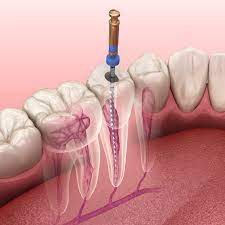
A sore root canal tooth can be an unexpected discomfort after what is meant to be a pain-relieving procedure. While root canal therapy is highly effective at removing infection and preventing further pain, the treated tooth and surrounding tissues can remain tender for a few days. This soreness often results from the inflammation of ligaments, minor trauma during the procedure, or pressure on the healing tooth. Understanding the causes and knowing how to manage it can make your recovery more comfortable.
Mild post-treatment discomfort is normal and usually resolves within a week. However, recognizing the difference between typical soreness and signs of a problem is essential to ensure proper healing and avoid complications.
Following dental advice today can help you address soreness effectively. Dentists often recommend strategies ranging from simple home care measures to professional adjustments, which can significantly reduce discomfort and promote faster healing.
Common Causes of a Sore Root Canal Tooth
Several factors can contribute to soreness after root canal therapy, even when the procedure goes smoothly.
Inflammation in Surrounding Tissues
During a root canal, dental instruments clean and shape the canals, which can irritate the tissues surrounding the tooth. The ligaments and bone may remain inflamed for a few days, leading to tenderness and mild aching.
Pressure from Bite Alignment
Sometimes a temporary filling or crown can alter your bite slightly. If the treated tooth feels “high,” it can experience extra pressure when biting or chewing. This can intensify discomfort until your dentist adjusts the restoration.
Residual Healing from Infection
Teeth that were severely infected prior to treatment often cause swelling or pressure in surrounding tissues. Even after the infection is removed, the area may remain tender as it heals.
When Soreness May Indicate a Problem
While most post-root canal soreness is temporary, there are signs that require professional evaluation.
Severe or Increasing Pain
Pain that grows worse rather than gradually improving may indicate a high bite, residual infection, or a missed canal.
Swelling or Pus
Persistent swelling in the gums or jaw, or pus discharge, may suggest infection that needs prompt attention.
Lingering Discomfort Beyond a Week
Soreness lasting longer than a week may indicate complications such as a fractured root, reinfection, or improper sealing. Early intervention prevents further issues.
How Long Post-Treatment Soreness Lasts
Understanding the typical timeline helps patients gauge what is normal.
First 24–48 Hours
Tenderness and mild swelling are most noticeable. Pain relievers and soft foods are recommended during this period.
Days 3–5
Most patients notice a gradual improvement. Chewing becomes more comfortable, and minor sensitivity may remain.
After One Week
Pain should significantly diminish. Persistent or worsening pain warrants a follow-up with your dentist.
Home Care Strategies for Relief
Several at-home measures can ease soreness and promote healing.
Pain Relief Medication
Over-the-counter anti-inflammatory medications like ibuprofen or acetaminophen can reduce pain and swelling. Always follow recommended dosages.
Soft Foods and Chewing Habits
Avoid chewing on the treated tooth. Stick to soft foods such as yogurt, mashed potatoes, soups, and smoothies. This reduces pressure on healing tissues.
Cold Compresses
Applying a cold pack to the outside of the cheek for 10–15 minutes helps alleviate swelling and numb discomfort.
Oral Hygiene Tips During Recovery
Maintaining proper oral hygiene supports healing and reduces the risk of infection.
Gentle Brushing and Flossing
Continue brushing twice daily and flossing once, but be gentle near the treated tooth to avoid irritation.
Warm Salt Water Rinses
Rinsing with a solution of ½ teaspoon salt in a cup of warm water helps reduce inflammation and soothe the area. Repeat 2–3 times daily.
Avoid Irritating Foods
Hot, cold, crunchy, or sticky foods may worsen sensitivity during the healing period. Stick to milder foods until your dentist advises otherwise.
Professional Treatments to Consider
Sometimes home care isn’t enough, and professional interventions are necessary.
H3: Bite Adjustment
If a filling or crown is slightly high, your dentist can adjust it, often providing immediate relief.
Retreatment for Persistent Infection
In rare cases, a missed canal or residual infection may require retreatment. This ensures that all bacteria are removed and prevents further discomfort.
Antibiotics for Infection
If signs of lingering infection appear, antibiotics may be prescribed. Always complete the full course as directed by your dentist.
Protective Measures with Crowns and Restorations
Many teeth treated with root canals eventually receive a crown to protect them.
Reinforces the Tooth Structure
Crowns strengthen teeth that have become brittle after root canal therapy, reducing the risk of fractures and associated pain.
Corrects Bite Alignment
A properly fitted crown distributes bite forces evenly, minimizing pressure on healing tissues and reducing soreness.
Seals Against Bacteria
Crowns prevent bacteria from entering the treated tooth, protecting it from reinfection and long-term complications.
Preventive Tips for Smooth Recovery
Following these preventive measures ensures faster healing and long-term tooth health.
Follow Post-Procedure Instructions
Carefully adhere to any guidelines provided by your dentist, including medications, diet, and oral care recommendations.
Schedule Follow-Up Visits
Routine dental checkups allow your dentist to monitor healing, address bite issues, and ensure the tooth is functioning correctly.
Maintain Good Oral Hygiene
Brushing, flossing, and regular checkups help prevent future infections and support a pain-free recovery.
FAQs
Q1: Is it normal for a root canal tooth to feel sore?
A: Yes, mild soreness for a few days is normal. It typically improves as the surrounding tissues heal.
Q2: How can I relieve soreness at home?
A: Use over-the-counter pain relievers, apply cold compresses, rinse with salt water, and avoid chewing on the treated side.
Q3: When should I contact my dentist?
A: If pain worsens, swelling occurs, or discomfort persists beyond a week, schedule a checkup. These may indicate complications.
Conclusion
A sore root canal tooth is usually part of the natural healing process. Inflammation, tissue trauma, and minor bite adjustments are common causes of temporary discomfort. Most pain resolves within a few days with proper care.
By following dental advice today and maintaining good oral hygiene, patients can promote faster healing and reduce discomfort. Monitoring your symptoms, adhering to post-treatment instructions, and consulting your dentist if pain persists are key steps to ensure your tooth remains healthy, strong, and comfortable for years to come.


