
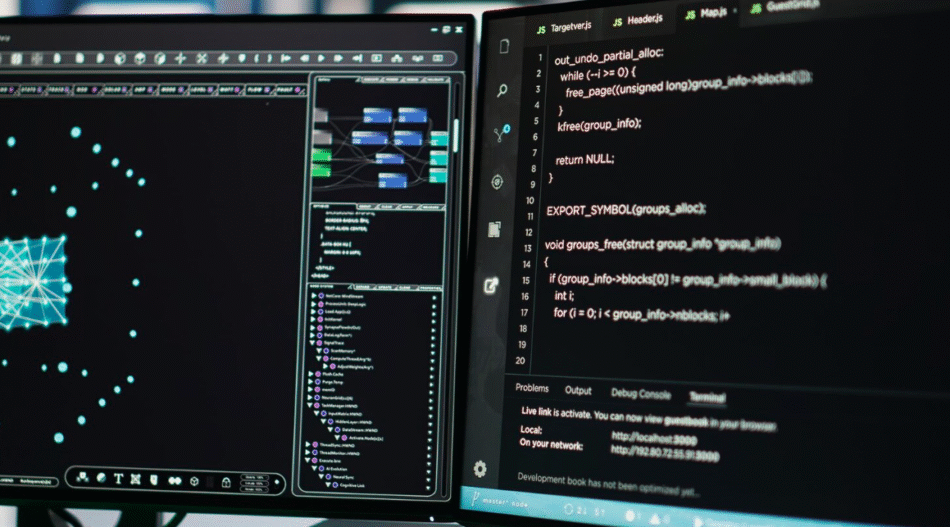
Implementing an ERP system is a complex task, often slowed down by outdated applications and fragmented IT environments. Legacy software modernization can address these challenges by transforming older systems into streamlined, maintainable platforms, enabling faster ERP deployment. Outdated applications often involve multiple languages, disconnected databases, and siloed modules, which complicates integration and increases project risks. Organizations with legacy systems face hurdles in aligning old software with modern ERP requirements. Many modules may contain years of accumulated business logic that is not easily transferable. Without modernization, these legacy systems can hinder ERP efficiency, causing delays, errors, and additional costs.
Understanding Legacy System Complexity
Many large organizations operate systems developed over decades in various languages, including COBOL, Visual Basic, PowerBuilder, MUMPS, and Clipper. These systems frequently function across separate databases and independent applications. As a result, modernizing one component without affecting others is challenging.
Project managers traditionally seek multiple vendors to modernize each system individually. This approach often leads to inconsistent results, higher costs, and maintenance difficulties. Even after modernization, systems may remain stovepiped, providing minimal operational improvement.
The lack of a unified approach means ERP implementation must accommodate varying code structures, integration points, and interface standards. This complexity often increases testing time and extends deployment schedules.
A Unified Approach to Modernization
A more effective approach uses modern engineering tool suites capable of addressing multiple applications and databases at once. These solutions can process legacy codebases in various languages and output code in frameworks such as Java, JSP, HTML5, Angular, and .NET, depending on organizational needs.
Unlike conventional translators or code generators, Engineer is flexible and adaptive. Templates can be modified to produce code in the style the client specifies, complete with documentation. This ensures that critical business logic is preserved while modernizing systems for ERP integration.
This unified approach reduces the need for multiple vendors and eliminates inconsistencies in system functionality. Organizations gain a consistent codebase across all applications, improving maintainability, reducing errors, and accelerating ERP deployment.
Core Modernization Services
Key modernization services that directly support ERP readiness include:
- Legacy Code Redevelopment: Transform applications in COBOL, VB, PowerBuilder, and other legacy languages into modern Java, JSP, or HTML code.
- Web-Enabled Front-End: Modern interfaces are provided without changing legacy back-end processes.
- Flexible Delivery: Clients can receive foundational code to complete internally, fully finished applications, or integrate modernization with their development teams.
- Turnkey Projects: End-to-end modernization ensures operational continuity and smooth ERP adoption.
- SOA Integration: Modernized systems are service-oriented, supporting scalable, flexible ERP architectures.
These services minimize customization and modification of existing systems, reducing risk and accelerating project timelines. Modernization ensures ERP modules can be deployed quickly, with fewer integration challenges and reduced system downtime.
Managing Risk and Evolving Requirements
ERP projects often stall due to shifting requirements or unforeseen integration issues. A structured modernization process mitigates these risks by combining adaptive reuse with strong project governance. Adaptive reuse allows modules to be quickly repurposed and customized, reducing redundant coding and lowering the chance of defects.
An engineer also supports reverse-engineering of legacy code, enabling the extraction of critical logic and functionality from older systems. The modernization process preserves existing capabilities while transforming code into maintainable, future-ready formats.
Fixed-price project models further reduce risk, providing IT managers with predictable budgets and clear timelines. This transparency ensures ERP implementation remains on track, avoiding unexpected costs and delays.
Accelerating ERP Implementation
Modernized systems enable organizations to implement ERP modules faster and with fewer operational disruptions. By consolidating multiple legacy applications into a unified codebase, integration challenges are minimized. Modernized systems are easier to maintain, scalable, and aligned with current business needs, allowing ERP functionality to be deployed efficiently.
Modernized ERP-ready systems improve data accuracy, enhance reporting capabilities, and reduce manual work. Business users benefit from streamlined workflows, and IT teams gain a maintainable infrastructure that supports future growth and rapid adaptation to new business requirements.
Furthermore, modern code ensures compatibility with contemporary IT environments, improves system performance, and simplifies future updates. This makes ERP systems more agile and capable of supporting evolving business requirements.
Final Summary:
Legacy software modernization transforms fragmented, outdated systems into cohesive, maintainable platforms that accelerate ERP implementation. By leveraging, organizations can modernize multiple legacy applications simultaneously, reduce risks, and achieve high-quality, documented code. For enterprises seeking faster ERP deployment and long-term IT efficiency, modernization is a strategic step. Partnering with experienced providers ensures streamlined systems, reduced project complexity, and better operational outcomes. Modernization is not just a technical upgrade; it is an essential part of achieving robust, scalable ERP solutions through digital transformation management software.


