
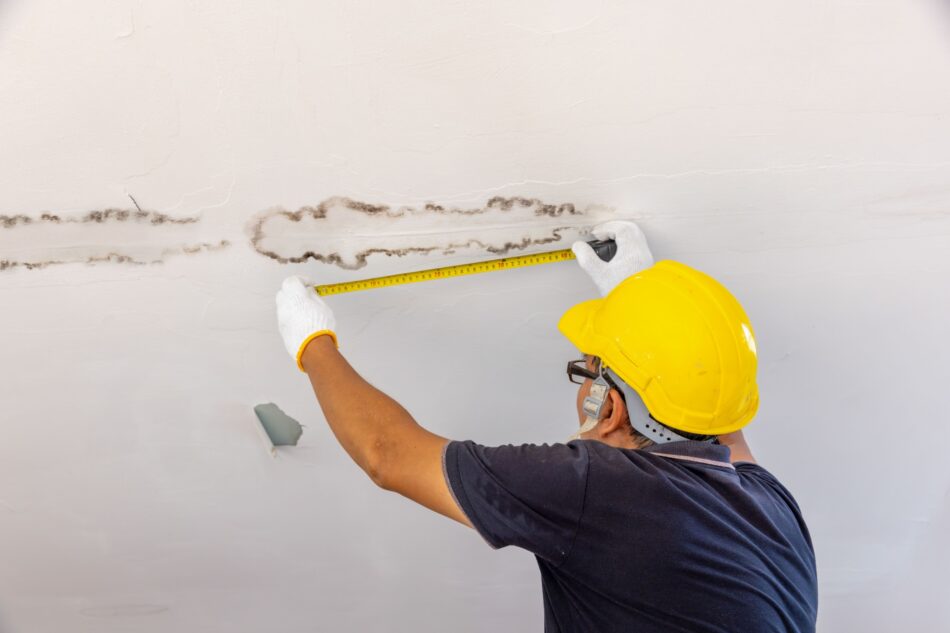
Mold in your home is something that should never be ignored. Not only can it cause serious health problems, but it can also lead to significant property damage if left untreated. If you’ve discovered mold in your home, it’s important to understand the difference between mold removal and mold remediation, as each term refers to different processes and solutions.
In this blog post, we’ll explain what mold is, why it’s a problem, and dive into the key differences between mold remediation and mold removal, so you can make the right choice for your home.
What is Mold?
Mold is a type of fungus that thrives in damp, warm environments. It can spread quickly and is typically found in places like bathrooms, basements, kitchens, and anywhere there’s excess moisture. Mold can also grow on walls, ceilings, floors, and furniture—pretty much anywhere moisture is present.
The presence of mold can create a musty smell and damage the surfaces it grows on. However, the real concern is that mold exposure can cause respiratory issues, allergic reactions, and even more severe health problems, especially for those with asthma or mold sensitivities.
Why You Need to Act Fast
If you spot mold in your home, it’s important to act quickly. Mold can start growing within 24 to 48 hours under the right conditions, and the longer you wait, the worse the problem can get. But before you take action, it’s essential to understand the difference between mold removal and mold remediation so that you know what’s needed to fully address the issue.
What is Mold Removal?
Mold removal typically refers to the process of physically cleaning and removing visible mold. While this may seem like an easy fix, it’s important to understand that mold removal doesn’t address the root cause of the problem. Mold will likely return unless the moisture issue is resolved.
Mold removal can involve:
-
Scrubbing mold off surfaces like walls, floors, or furniture.
-
Using cleaning products such as bleach or commercial mold sprays.
-
Disposing of heavily contaminated materials like carpets, drywall, or insulation.
Mold removal works well for small, isolated mold problems but doesn’t provide a long-term solution since it doesn’t address the underlying cause of the mold, such as leaks or excess humidity.
What is Mold Remediation?
Mold remediation, on the other hand, is a more comprehensive process. It involves not just removing the visible mold but also finding and addressing the source of the mold—whether it’s a leaking pipe, high humidity, or poor ventilation.
Mold remediation generally includes:
-
Inspection and Testing: A thorough inspection is done to determine the extent of the mold issue and to identify where the moisture is coming from.
-
Containment: The affected areas are sealed off to prevent the spread of mold spores to other parts of your home.
-
Air Filtration: Special air filtration equipment is used to remove mold spores from the air.
-
Mold Removal: The visible mold is cleaned off surfaces, and any materials that cannot be saved are removed.
-
Moisture Control: Fixing leaks, improving ventilation, or installing dehumidifiers to prevent future mold growth.
Mold remediation is the more effective and long-term solution because it not only removes the mold but also ensures the moisture issues that caused it are resolved.
Mold Removal vs. Mold Remediation: A Quick Comparison
| Feature | Mold Removal | Mold Remediation |
|---|---|---|
| Objective | Eliminate visible mold | Remove mold and fix underlying causes |
| Process | Clean mold off surfaces | Inspect, contain, remove, and prevent |
| Long-Term Solution | No | Yes |
| Airborne Mold Spores | Not addressed | Addressed through air filtration |
| Cost | Lower initial cost | Higher cost but more effective in the long run |
| Best For | Small, isolated mold issues | Large-scale or recurring mold problems |
When is Mold Remediation Necessary?
If you have a small mold problem, such as a small patch on your bathroom ceiling, mold removal may suffice. However, if:
-
The mold covers a large area
-
You’ve noticed musty odors throughout the house
-
The mold keeps coming back
Then mold remediation is your best bet. Mold remediation addresses both the visible mold and the conditions that allowed it to grow in the first place.
Why DIY Mold Removal is Risky
You might be tempted to try and clean up the mold yourself, but it’s important to know that DIY mold removal can often do more harm than good. Here’s why:
-
Hidden Mold: Mold can grow in hidden spaces like behind walls or underneath floors. You might miss these areas during a DIY clean-up.
-
Spreading Mold Spores: If you don’t contain the mold properly, you could spread spores to other areas of your home.
-
Health Risks: Mold exposure can cause respiratory problems, and without the right protective gear, you may end up making things worse.
-
Temporary Fix: Without fixing the source of moisture, mold will almost certainly come back.
For larger or recurring mold problems, hiring a professional mold remediation service is always the safer and more effective option.
How Professionals Can Help with Mold Remediation
When you hire a professional mold remediation service, you’re not just getting a cleaning service—you’re getting a comprehensive solution. Here’s how the professionals help:
-
Source Identification: Experts find the root cause of the mold and fix the moisture issue.
-
Safe and Effective Mold Removal: Professionals use specialized equipment and techniques to safely remove mold.
-
Air Quality Control: Air filtration systems help remove mold spores from the air, improving indoor air quality.
-
Long-Term Prevention: Once the mold is removed, professionals take steps to prevent it from returning, whether through ventilation improvements or moisture control measures.
Preventing Mold Growth in the Future
The best way to avoid mold problems in the first place is to stop them from happening. Here are a few tips to help keep your home mold-free:
-
Fix leaks quickly: Don’t let water accumulate.
-
Use exhaust fans: In kitchens and bathrooms, to reduce humidity.
-
Control indoor humidity: A dehumidifier can help maintain the right balance.
-
Clean up spills immediately: Especially on carpets or furniture.
-
Regularly inspect your home: Especially in places that are prone to moisture, like basements and attics.
By keeping your home dry and well-ventilated, you’ll significantly reduce the risk of mold growth.
Final Thoughts on Mold Remediation
Mold is a serious issue, but it doesn’t have to take over your home. While mold removal might be suitable for small, isolated mold issues, mold remediation offers a comprehensive solution to ensure that your home is safe, healthy, and mold-free. It tackles the root causes of mold, removing not just the visible mold but also preventing future growth.
If you’re dealing with a mold problem in your home, don’t wait. Call Guardian Angel Inspections for professional mold remediation. Our team of experts will ensure your home is mold-free and that your indoor air quality is safe for you and your family.


