
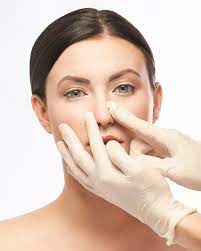
When considering any cosmetic procedure, understanding the factors that influence the outcome is crucial. Rhinoplasty, commonly known as a nose job, is a delicate surgery that can drastically enhance facial harmony and boost self-confidence. In Riyadh, this procedure has gained popularity not only for its aesthetic benefits but also for correcting functional issues like breathing difficulties.
Understanding Rhinoplasty Surgery in Riyadh
Rhinoplasty surgery in Riyadh is designed to reshape the nose to achieve a balanced appearance and improve nasal function. Each individual’s face and nasal structure are unique, which makes personalizing the surgery a key component of achieving satisfactory results. Whether the goal is to refine the nasal tip, straighten the bridge, or correct deformities, this procedure requires careful evaluation and expertise.
The outcome of rhinoplasty depends on multiple aspects including the surgeon’s skill, the patient’s anatomy, and realistic expectations. Given the complexity of the nose’s structure, even small changes can have a significant effect on overall facial aesthetics.
Key Factors That Affect Rhinoplasty Results
Anatomical Considerations
One of the primary factors influencing the success of rhinoplasty surgery in Riyadh is the patient’s nasal anatomy. Skin thickness, cartilage strength, and bone structure all determine how the nose will respond to surgical adjustments. For example, thick skin may limit the visibility of fine sculpting details, while thin skin shows every contour more prominently.
Surgeon’s Expertise and Technique
The surgeon’s experience and choice of surgical technique play a vital role in the final result. Skilled surgeons tailor the approach according to individual needs, opting for either open or closed rhinoplasty methods depending on the complexity of the case. Precision during surgery ensures natural-looking results while maintaining or improving nasal function.
Patient’s Expectations and Communication
Clear communication about personal goals and expectations is essential. Patients with realistic and informed expectations tend to be more satisfied with their results. Surgeons typically use visual aids and simulations to help patients understand the possible outcomes and limitations.
Post-Surgery Care and Healing
The healing process significantly affects the final appearance. Swelling and bruising are normal immediately after surgery, but careful post-operative care, including following medical advice on rest, diet, and hygiene, can enhance recovery. Factors like overall health, age, and skin type also influence healing speed and scar formation.
Common Goals of Rhinoplasty Surgery in Riyadh
Aesthetic Improvement
Most patients seek rhinoplasty to improve the proportion and shape of their nose relative to other facial features. This can include narrowing the bridge, refining the nostrils, or lifting the nasal tip to achieve symmetry and balance.
Functional Enhancement
Beyond aesthetics, rhinoplasty surgery in Riyadh often addresses functional concerns such as correcting a deviated septum or repairing damage from injury. Improved airflow and easier breathing are significant benefits alongside cosmetic changes.
Innovations in Rhinoplasty Techniques
Modern rhinoplasty techniques incorporate advanced tools and materials to optimize results. Surgeons now emphasize preserving natural nasal structures to maintain function. Techniques like cartilage grafting and computer-assisted planning help create customized outcomes tailored to individual facial anatomy.
Preparing for Rhinoplasty Surgery in Riyadh
Detailed Consultation
Before proceeding, an in-depth consultation is necessary to discuss medical history, nasal structure, and desired outcomes. This step helps identify any contraindications and formulate a treatment plan.
Physical and Psychological Readiness
Preparing physically by maintaining good health, avoiding smoking, and managing any medical conditions contributes to safer surgery and better healing. Psychological readiness ensures the patient is prepared for changes and recovery demands.
Recovery Process and Long-Term Results
Rhinoplasty recovery varies by individual but generally involves gradual reduction of swelling and return to normal activity within weeks. Long-lasting results depend on adherence to post-operative instructions and follow-up care to monitor healing.
FAQs About Rhinoplasty Surgery in Riyadh
How long does it take to see the final results of rhinoplasty surgery in Riyadh?
Final results typically become visible several months after surgery as swelling subsides and tissues settle into their new shape.
Can rhinoplasty surgery in Riyadh fix breathing problems?
Yes, many procedures also correct structural issues like a deviated septum while improving the nose’s appearance.
What risks should I be aware of with rhinoplasty surgery in Riyadh?
Common risks include swelling, bruising, temporary numbness, and in rare cases, infection or dissatisfaction with cosmetic results.
How should I prepare for rhinoplasty surgery in Riyadh?
Preparation includes a thorough consultation, physical health optimization, and understanding the surgical process and recovery requirements.
Is revision surgery common after rhinoplasty in Riyadh?
Revision rhinoplasty may be necessary if initial results do not meet expectations or if healing complications occur, but good planning can minimize the need.
Can rhinoplasty surgery in Riyadh be customized for ethnic noses?
Absolutely. Surgeons respect ethnic and cultural nasal features, aiming for natural results that complement the patient’s heritage.


