
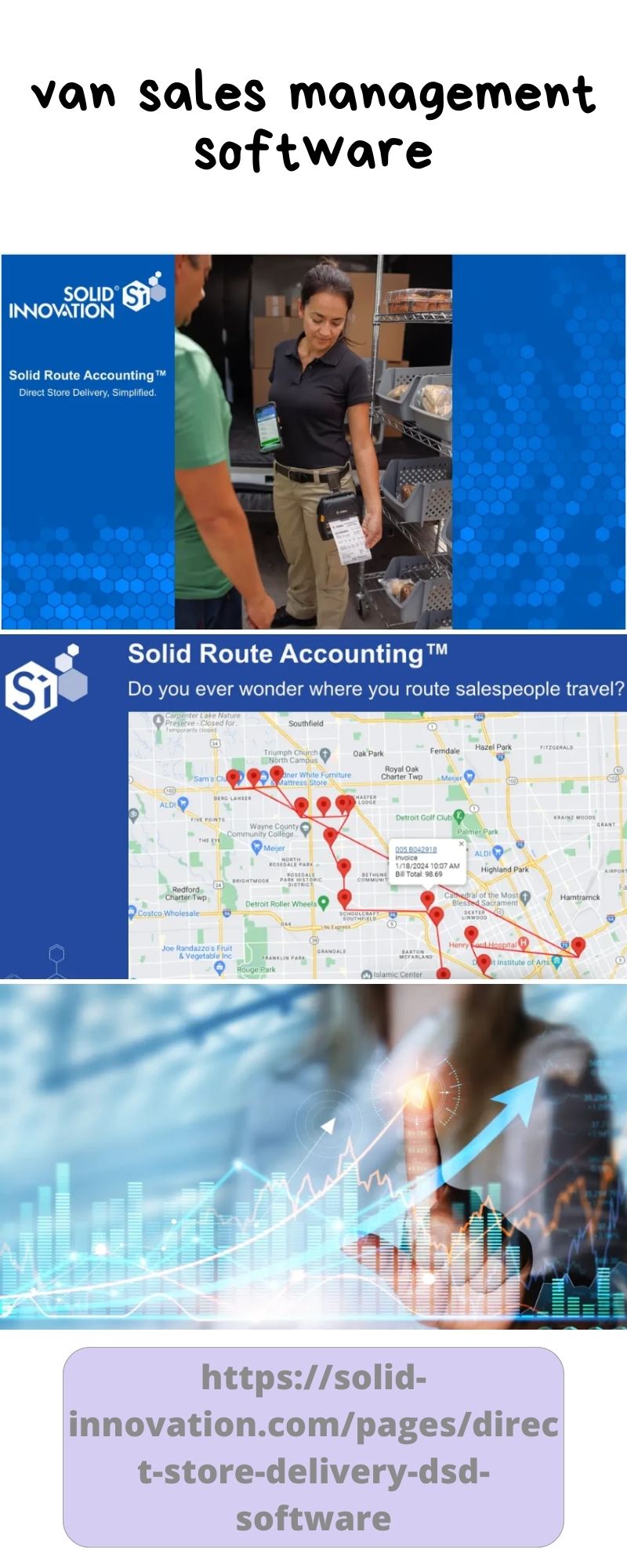
Direct Store Delivery (DSD) has become a cornerstone of modern distribution for industries like FMCG, beverages, dairy, bakery, and retail. In a DSD model, products move directly from the supplier or manufacturer to retail outlets, bypassing central warehouses. To manage these complex operations efficiently, businesses increasingly rely on DSD software. The right software streamlines deliveries, reduces errors, and ensures optimal use of resources. Here’s a guide to the top features to look for when selecting DSD software for your distribution routes.
1. Route Planning and Optimization
Efficient routing is essential to reduce travel time, minimize fuel consumption, and ensure timely deliveries. Top DSD software includes:
-
GPS-based mapping for accurate routing
-
Route optimization algorithms to prioritize stops and reduce mileage
-
Real-time traffic updates for adaptive rerouting
-
Multi-stop scheduling for managing multiple deliveries in a single route
Optimized routes increase driver productivity, cut operational costs, and improve customer satisfaction.
2. Real-Time Inventory Management
Since delivery vehicles act as mobile warehouses, keeping track of stock is critical. Effective DSD software allows:
-
Tracking van inventory in real time
-
Monitoring loaded, sold, and returned items
-
Updating stock levels instantly as deliveries occur
This ensures accurate inventory control, reduces stockouts or overloading, and supports precise invoicing.
3. Mobile Order Taking and Invoicing
DSD operations demand on-the-spot transactions. Key features include:
-
Mobile order entry and editing
-
Instant invoicing and payment processing
-
Integration with back-office systems for real-time accounting updates
Mobile order and payment capabilities accelerate the order-to-cash cycle and reduce paperwork errors.
4. Returns and Credit Management
DSD software should handle returns efficiently, including:
-
Logging unsold or returned products
-
Adjusting inventory automatically
-
Generating credit memos or refunds
Proper returns management minimizes waste, maintains accurate records, and ensures customer satisfaction.
5. Customer Relationship Management (CRM) Integration
Integrating CRM into DSD software provides drivers with essential customer insights:
-
Purchase history and order patterns
-
Customer preferences and special instructions
-
Credit terms and outstanding balances
This empowers drivers to provide personalized service, upsell products, and resolve issues efficiently.
6. Offline Capability
Many delivery routes pass through areas with limited or no connectivity. Offline features allow:
-
Order-taking and inventory updates without internet access
-
Automatic synchronization when connectivity is restored
Offline functionality ensures uninterrupted operations and prevents data loss in low-connectivity areas.
7. Analytics and Reporting
Data-driven decision-making is key for efficient distribution. Good DSD software offers:
-
Route performance metrics, such as delivery times and stop efficiency
-
Sales insights and demand forecasting
-
Inventory turnover and waste tracking
-
Driver performance monitoring
These insights help optimize operations, plan better routes, and improve overall profitability.
8. Integration with ERP and Accounting Systems
Seamless integration with back-office software ensures:
-
Automatic updates to inventory and sales records
-
Accurate financial reporting
-
Reduced manual reconciliation
Integrated systems enhance operational efficiency and data accuracy across the business.
9. Proof of Delivery (ePOD) and Compliance
Electronic proof of delivery features add accountability:
-
Digital signature capture at delivery
-
Time-stamped GPS tracking
-
Compliance with retailer or regulatory standards
ePOD improves transparency, reduces disputes, and enhances trust with customers.
Conclusion
DSD software is a vital tool for modern distributors, helping to streamline direct store deliveries, reduce operational costs, and enhance customer satisfaction. When evaluating software, focus on features such as route optimization, real-time inventory tracking, mobile order and invoicing, returns management, CRM integration, offline capability, analytics, ERP integration, and proof of delivery.
Choosing the right DSD solution ensures your distribution routes are efficient, your field teams are productive, and your supply chain operates smoothly — ultimately boosting profitability and customer service.


