
When it comes to cleaning greasy, grimy, or oil-covered parts in an industrial setting, having the right parts washer can change how smoothly your operation runs. The debate between Top Load vs. Front Load Parts Washer is more than just about design, it’s about which machine fits the rhythm of your workflow.
In workshops, garages, and manufacturing facilities, time and cleanliness go hand in hand. A well-chosen washer not only saves labor but also helps maintain tools and components for longer use. Each washer type brings unique advantages that cater to different workloads, space requirements, and cleaning needs. Before diving into your next purchase, it’s smart to understand what truly sets them apart, and how Top Load Automatic Cuda Parts Washers stand out in this discussion.
Understanding the Basics: How Each Washer Works
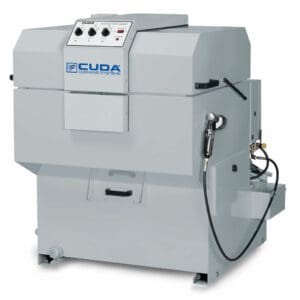
A Top Load Parts Washer is designed with a lid that opens upward. You place the parts inside a rotating basket, which is then cleaned using a heated water-based solution sprayed at high pressure. It’s simple, fast, and ideal for smaller to medium-sized parts.
A Front Load Parts Washer, on the other hand, opens from the front like an industrial dishwasher. It can handle larger and heavier components, offering more space and power for deep cleaning. Both use hot water and detergents, but their layout impacts efficiency, ease of use, and workflow fit.
Why Space and Workflow Matter
Every shop or plant has its rhythm, technicians move between stations, machines run continuously, and workflow efficiency affects output. A Top Load Parts Washer works best for facilities with limited floor space. Its vertical loading design saves room and allows users to load parts from above without moving large objects.
Meanwhile, a Front Load Parts Washer needs more room but provides easier access for bulky items. Its front door design reduces bending or lifting, which can be beneficial for frequent use or larger parts. Understanding your workspace helps you match the washer to your layout instead of forcing it to fit later.
Cleaning Performance: Speed Meets Strength
Both washer types are strong performers, but the difference lies in cleaning speed and capacity. A Top Load Parts Washer uses rotating baskets to expose every surface to high-pressure jets, ensuring consistent cleaning. It’s efficient for quick turnarounds where speed matters most.
Front load models, however, bring power and size to the table. They can handle heavy-duty parts such as engine blocks or transmission cases without needing multiple cycles. If your operation involves cleaning large, greasy components, a Front Load Parts Washer might fit better.
Maintenance and Ease of Operation
Ease of maintenance is another key factor when choosing between Top Load vs. Front Load Parts Washer. Top load models are generally simpler, with fewer moving parts and easy-to-reach filters. They are perfect for shops that prefer low-maintenance equipment that runs reliably every day.
Front load models, though slightly more complex, provide advanced controls and higher automation. They may require more maintenance but often include extra features like automatic oil skimming and programmable wash cycles.
Safety and Ergonomics
Safety is a vital aspect in any industrial environment. A Front Load Parts Washer reduces the strain of lifting heavy parts into the machine. Operators can slide parts in using trays or carts.
A Top Load Parts Washer demands more upper-body effort since parts must be lifted over the edge, though smaller components pose no problem. The choice comes down to your average load weight and how your team interacts with the machine daily.
Cost and Energy Considerations
Budget and energy use go hand in hand. Generally, Top Load Parts Washers cost less and use less water and electricity, making them a practical choice for smaller operations.
Front load units are more expensive upfront but pay off through greater capacity and automation. If your workflow involves high-volume cleaning, the investment can yield better long-term efficiency.
Which One Fits Your Workflow?
Choosing between Top Load vs. Front Load Parts Washer depends on your workspace, part sizes, and daily cleaning volume. Small to mid-sized repair shops favor Top Load Automatic Cuda Parts Washers for their reliability, compact design, and easy maintenance. Large industrial plants lean toward front load systems for heavy-duty applications.
In short, if you handle lighter parts and value simplicity, the top load is your best ally. If you tackle large-scale cleaning daily, the front load model is your powerhouse.
Wrapping It Up:
The right washer should fit your pace, not slow it down. For workshops aiming to improve efficiency and reduce downtime, investing in a reliable Cuda Top Load Parts Washer offers a perfect balance of performance and practicality. It’s built to handle demanding cleaning tasks while keeping maintenance simple and operations smooth. Understanding your workflow’s needs ensures that the washer you choose isn’t just a tool, it’s a partner in keeping your work environment clean, productive, and safe.
FAQs
- What makes a Top Load Parts Washer ideal for small workshops?
Its compact design and easy operation make it perfect for cleaning smaller parts quickly without taking up much floor space.
- Are Front Load Parts Washers better for large-scale cleaning?
Yes. Their larger capacity and stronger cleaning pressure make them ideal for cleaning heavy or bulky components efficiently.
- Do both washers use water-based cleaning systems?
Absolutely. Both top and front load washers rely on heated water and detergents for eco-friendly, powerful cleaning results.
- How often should I maintain a Parts Washer?
Regular maintenance depends on usage. For daily use, cleaning filters and checking fluid levels weekly helps extend the machine’s life.
- Which washer offers better long-term value?
For smaller operations, a Top Load Parts Washer provides cost-effective value. For larger facilities with heavy parts, a front load model gives better long-term performance.


