
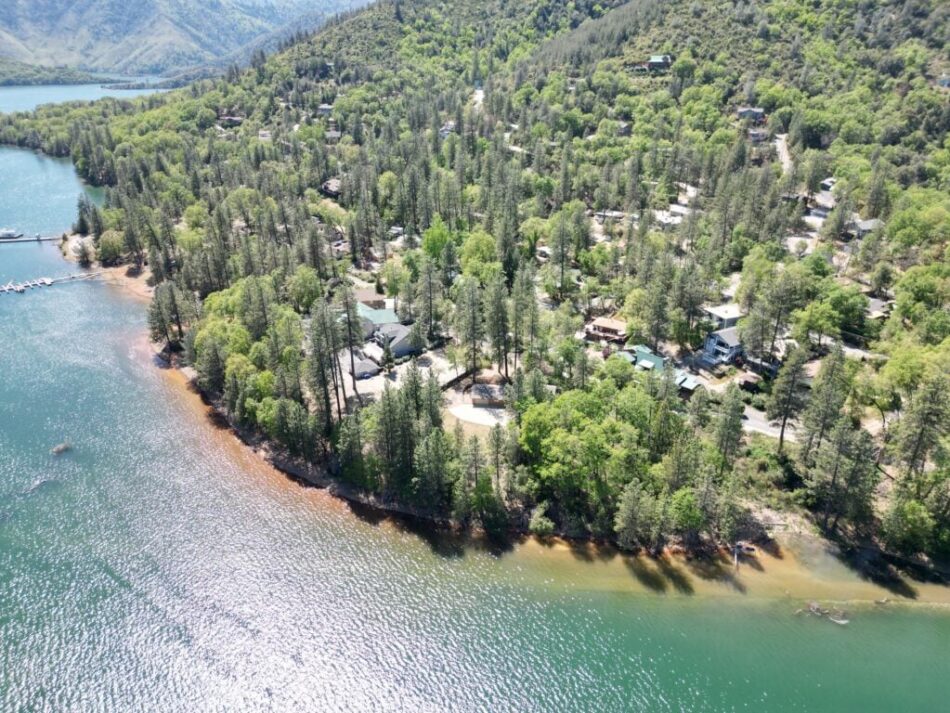
California’s largest reservoir, Lake Shasta, plays a vital role in the state’s water system, recreation industry, and ecological balance. Every year, conversations about the Lake Shasta water level spark curiosity among travelers, outdoor enthusiasts, and those who rely on California’s water supply for agriculture and urban use. Monitoring the Shasta Lake level is more than a matter of curiosity—it’s a critical part of understanding drought conditions, flood control, and recreational opportunities.
In this article, we’ll explore the history of Lake Shasta, why the Shasta Lake water level matters, what affects its rise and fall, and how this impacts the community, environment, and economy.
A Quick History of Lake Shasta
Lake Shasta, often referred to simply as Shasta Lake, was created in the 1940s with the construction of Shasta Dam on the Sacramento River. The dam, standing at 602 feet, is one of the tallest in the United States and serves multiple purposes:
- Water storage for millions of Californians
- Flood control for communities downstream
- Hydroelectric power generation
- Recreational opportunities such as boating, fishing, and camping
When full, Lake Shasta holds over 4.5 million acre-feet of water, making it the keystone of California’s Central Valley Project. Because of its sheer size, the Lake Shasta water level is constantly monitored by state and federal agencies.
Why the Lake Shasta Water Level Matters
The Shasta Lake level is more than just a number—it has real-world consequences. Here are a few of the reasons it is so important:
1. California’s Water Supply
Lake Shasta provides water to millions of people across California, including major agricultural areas in the Central Valley. A higher Shasta Lake water level ensures that farms and cities can access enough water during dry months.
2. Drought Indicators
When the Lake Shasta water level is low, it signals that California may be facing drought conditions. This affects everything from agricultural production to water restrictions for homeowners.
3. Recreation and Tourism
Shasta Lake is one of the most popular vacation destinations in Northern California. Tourists flock to the area for houseboating, fishing, kayaking, and camping. Low Shasta Lake levels can limit access to boat ramps and reduce recreational opportunities, impacting the local economy.
4. Hydroelectric Power
Shasta Dam produces electricity by using the power of falling water. When the lake level is too low, power generation decreases, affecting California’s energy grid.
5. Flood Control
During heavy rainfall and snowmelt, maintaining a safe Shasta Lake water level prevents flooding downstream in Sacramento and other communities.
Factors That Affect the Shasta Lake Level
The Shasta Lake water level fluctuates constantly, influenced by both natural and human factors.
- Snowpack in the Sierra Nevada and Cascades
Much of Shasta Lake’s water comes from melting snow. A heavy winter snowpack usually results in higher lake levels by late spring and early summer.
- Rainfall
Northern California’s rainfall patterns directly affect inflows into Lake Shasta. In drought years, the lake level can drop dramatically. - Water Releases
Water is released from Lake Shasta for agriculture, municipal use, and environmental needs. These controlled releases lower the Shasta Lake level but are necessary to balance demand across the state. - Evaporation
During hot summer months, evaporation can reduce the Lake Shasta water level significantly. - Hydroelectric Operations
Generating electricity at Shasta Dam requires water releases, which also affect lake levels.
How the Lake Shasta Water Level Impacts Recreation
For those planning a trip, the Shasta Lake level determines what kind of recreational activities are possible.
- Boating: High water levels make more marinas and boat ramps accessible, while low levels may leave some unusable.
- Fishing: The Shasta Lake water level affects fish habitats. Bass, trout, and salmon fishing conditions vary depending on lake depth.
- Houseboating: Shasta is famous for its houseboat rentals. Higher lake levels make for better houseboating experiences with more shoreline access.
- Camping: Campgrounds around the lake may close if the water level gets too low.
Tourism is the backbone of the Shasta Lake area economy, so the Lake Shasta water level directly impacts local businesses
Shasta Lake Level and Climate Change
Climate change has added new challenges to maintaining stable Shasta Lake water levels. Warmer winters reduce snowpack, meaning less runoff into the reservoir. Longer, hotter summers increase evaporation and water demand. Extreme weather swings—such as floods one year and drought the next—make managing the Shasta Lake level even more complex.
Experts warn that California will need to adapt by improving water conservation, updating infrastructure, and relying on accurate monitoring of reservoirs like Shasta.
Current Monitoring of Shasta Lake Level
The Bureau of Reclamation, which manages Shasta Dam, provides daily updates on the Shasta Lake water level. These updates are vital for water managers, farmers, and recreationists.
Typically, Lake Shasta reaches its highest level in late spring, fueled by snowmelt, and its lowest in the fall after months of water releases and evaporation. If you’re planning a trip, it’s always wise to check the current Shasta Lake level before heading out.
The Future of Shasta Lake
Looking ahead, the Lake Shasta water level will remain a topic of public concern. There are ongoing discussions about raising the height of Shasta Dam to increase storage capacity, though this proposal faces environmental and cultural opposition.
Regardless of future projects, the balance between water supply, recreation, and ecological preservation will always hinge on careful management of the Shasta Lake water level.
Conclusion
The Lake Shasta water level is more than just a number—it’s a reflection of California’s water supply, climate, and community well-being. For locals, the Shasta Lake level affects everything from farming to electricity. For visitors, it shapes recreational opportunities and the beauty of Northern California’s landscape.
Whether you’re a farmer relying on irrigation, a traveler planning a houseboat vacation, or a resident concerned about drought, understanding the Shasta Lake water level is essential. By staying informed, Californians can better appreciate this vital reservoir and the role it plays in shaping life across the state.


