
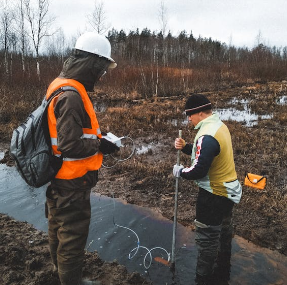
Environmental testing is an essential process for assessing the safety, quality, and health of natural resources and built environments. From soil and water to air quality, accurate environmental testing helps identify contaminants, ensure regulatory compliance, and protect human health. For industries, residential properties, and municipal projects, employing reliable methods for analysis is critical in preventing hazards and guiding remediation efforts. This article explores the most effective methods for environmental testing, focusing on soil, water, and air analysis, and emphasizes strategies to ensure accuracy, safety, and compliance.
Understanding Environmental Testing
Environmental testing refers to the systematic collection and analysis of samples from soil, water, and air to detect the presence of pollutants, toxins, or harmful microorganisms. The results guide decision-making for environmental management, site remediation, and public health protection. By conducting thorough testing, organizations can mitigate risks associated with contamination, adhere to regulations, and maintain a safe environment for workers, residents, and ecosystems.
Accurate environmental testing involves not only selecting the appropriate method but also ensuring proper sample collection, handling, and laboratory analysis. A well-planned testing process prevents errors, enhances reliability, and provides actionable insights for environmental safety and sustainability.
Soil Analysis Methods
Soil testing is fundamental in environmental testing, particularly for identifying contaminants such as heavy metals, pesticides, and petroleum residues. Core techniques include sampling, laboratory analysis, and field-based methods. Soil samples must be collected systematically to represent the entire site accurately, avoiding cross-contamination during collection and transport.
Laboratory analysis typically involves chemical assays to detect heavy metals, organic compounds, and pH levels. Spectroscopy and chromatography are common analytical techniques used to measure the concentration of contaminants with high precision. Field-based methods, such as portable sensors and test kits, allow for rapid preliminary assessment but are usually supplemented with laboratory confirmation. Accurate soil analysis informs remediation strategies, land use decisions, and compliance with environmental standards.
Water Testing Techniques
Water analysis is another critical component of environmental testing. Contaminated water can pose serious health risks if it contains pathogens, chemicals, or heavy metals. Proper water testing evaluates physical, chemical, and biological parameters to ensure safety and suitability for human use, agriculture, or industrial processes.
Standard methods include collecting samples from multiple points and depths, followed by laboratory analysis for contaminants such as lead, arsenic, nitrates, and microbial pathogens. Advanced techniques like mass spectrometry and chromatography allow precise identification of pollutants at low concentrations. Additionally, field tests such as pH meters, turbidity sensors, and colorimetric assays provide real-time data for preliminary assessment. Ensuring accurate water analysis is essential for public health, environmental compliance, and effective remediation planning.
Air Quality Monitoring
Air analysis is an essential aspect of environmental testing because airborne contaminants can impact human health, wildlife, and indoor air quality. Monitoring involves assessing particulate matter, volatile organic compounds (VOCs), carbon monoxide, nitrogen oxides, and other pollutants. Accurate measurements rely on specialized instruments such as air samplers, gas analyzers, and particulate monitors.
Continuous monitoring systems capture fluctuations in air quality over time, providing comprehensive insights into potential exposure risks. For indoor environments, testing often includes assessing mold spores, dust, and chemical off-gassing from building materials. Accurate air testing informs mitigation strategies, such as ventilation improvements, filtration systems, and industrial emission controls, ensuring safe and breathable air for all occupants.
Importance of Sample Collection and Handling
The accuracy of environmental testing depends heavily on proper sample collection and handling. Contamination during sampling can lead to false results and misinformed decisions. Standardized procedures include using clean tools, proper storage containers, labeling samples, and maintaining a chain of custody.
Transporting samples to laboratories under controlled conditions prevents degradation or alteration of the contaminants. Adhering to strict protocols for sample collection, preservation, and documentation ensures reliable results, which are critical for regulatory compliance and effective remediation planning.
Laboratory Analysis and Data Interpretation
Once samples are collected, laboratory analysis provides detailed insights into contaminant types and concentrations. Techniques such as gas chromatography, mass spectrometry, atomic absorption spectroscopy, and microbial culture methods are commonly used.
Interpreting laboratory data requires expertise to understand contaminant thresholds, regulatory limits, and potential health impacts. Environmental testing reports should clearly communicate findings, uncertainties, and recommended actions. Accurate data interpretation ensures that stakeholders can make informed decisions regarding remediation, property management, and environmental protection.
Regulatory Compliance and Standards
Environmental testing is closely tied to regulatory compliance. Agencies such as the Environmental Protection Agency (EPA) and local health departments set standards for permissible levels of contaminants in soil, water, and air. Accurate testing ensures that sites meet these standards and helps avoid fines, legal liabilities, or public health risks.
Adhering to regulatory guidelines also demonstrates commitment to sustainability and responsible environmental stewardship. Proper documentation, certification of laboratories, and adherence to testing protocols are critical for legal compliance and credibility in environmental reporting.
Innovative Technologies in Environmental Testing
Advances in technology have improved the speed, accuracy, and scope of environmental testing. Portable sensors, drones, remote sensing, and real-time monitoring systems allow for more comprehensive and timely assessments. Geographic Information Systems (GIS) can map contamination spread, while AI and data analytics enhance the interpretation of complex datasets.
These innovations enable professionals to detect contaminants earlier, respond faster, and optimize remediation strategies. Incorporating modern technologies in environmental testing enhances reliability, reduces human error, and provides actionable insights for safer environments.
Safety Protocols for Workers and Residents
Environmental testing involves potential exposure to hazardous materials, making safety protocols essential. Workers must use personal protective equipment, follow decontamination procedures, and adhere to safety guidelines during sample collection and analysis. Residents near testing sites should be informed and protected from exposure risks through restricted access, barriers, or temporary relocation if necessary.
Implementing comprehensive safety measures reduces the risk of accidents, health impacts, and cross-contamination. A robust safety culture ensures that environmental testing projects protect both the professionals conducting the tests and the surrounding community.
Data-Driven Decision Making
The ultimate goal of environmental testing is to provide actionable data that guides decision-making. Accurate analysis informs risk assessment, remediation strategies, land development, and public health policies. By combining soil, water, and air data, professionals can develop holistic solutions for environmental challenges.
Data-driven decisions help optimize resource allocation, reduce environmental impact, and enhance safety outcomes. Reliable environmental testing ensures that remediation efforts are targeted, effective, and sustainable.
Commercial Benefits of Professional Environmental Testing
Partnering with professional environmental testing services ensures accuracy, safety, and compliance. EnviroForce provides expert solutions for soil, water, and air analysis, utilizing modern technology, certified laboratories, and skilled personnel. Their team ensures that testing is conducted safely, efficiently, and in line with regulatory standards.
Engaging experts like EnviroForce minimizes risks, saves time, and delivers reliable data that supports informed decision-making for property owners, businesses, and municipalities. Contact EnviroForce today to protect your property and community through comprehensive and accurate environmental testing.


