
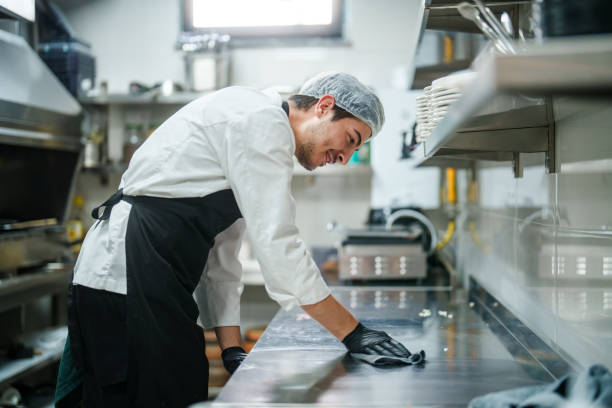
Whether you run a busy restaurant, a school canteen, a takeaway, or simply want to cook safely at home, food safety and hygiene must always come first. Poor food and hygiene practices can lead to food poisoning, allergic reactions, cross-contamination and serious damage to your reputation or business. On the other hand, strong kitchen hygiene habits protect your customers, your team and your brand.
In the UK, customers expect safe food as standard. Local authorities carry out inspections, and online reviews travel fast. This means that food safety and hygiene are not just legal responsibilities; they are smart business priorities.
In this in-depth guide, we will explore what food safety and hygiene really mean in practice, how to raise your kitchen hygiene standards, and how to embed good food and hygiene habits into everyday routines.
What Do We Mean By Food Safety And Hygiene?
The terms food safety and hygiene and food and hygiene are often used together, but they cover slightly different ideas.
- Food safety focuses on preventing food from causing harm to people
- Food hygiene is about the conditions and measures needed to keep food safe
- Kitchen hygiene is the practical, day-to-day cleaning, handling and organisation in the kitchen that maintains safety
When all three are in place, food is prepared, cooked, stored and served in a way that keeps risks as low as reasonably possible.
The Main Hazards In Food And Hygiene
To manage food safety and hygiene effectively, you need to understand the main hazards that can appear in food.
Biological Hazards
These are living organisms that can make people ill, such as:
- Bacteria (for example Salmonella, E. coli, Listeria)
- Viruses (for example Norovirus)
- Parasites and moulds
Good kitchen hygiene – including handwashing, correct cooking temperatures and preventing cross-contamination – is crucial for controlling these.
Chemical Hazards
Chemical hazards include:
- Cleaning chemicals accidentally getting into food
- Excess additives or misuse of pest control products
- Contamination from unsuitable containers or packaging
Strong food and hygiene practice means labelling chemicals, using food-safe materials and storing everything correctly.
Physical Hazards
Physical hazards are objects that should not be in food, such as:
- Glass, metal or plastic pieces
- Hair, jewellery or plasters
- Packaging materials or broken utensils
Good kitchen hygiene and equipment maintenance help prevent these from entering food dishes.
The Pillars Of Excellent Kitchen Hygiene
Raising kitchen hygiene standards relies on a few powerful pillars that must be consistent every day.
Immaculate Personal Hygiene
Your staff are central to food safety and hygiene. They must:
- Wash hands thoroughly and often, especially after using the toilet, handling raw food, touching bins or using phones
- Wear clean uniforms or aprons
- Cover cuts with blue, waterproof plasters
- Keep nails short and avoid strong perfumes or excessive jewellery
Training and reminders help employees understand that their behaviour is a key part of overall food and hygiene.
Clean And Organised Premises
A clean kitchen is the foundation of good kitchen hygiene. This includes:
- Regularly cleaned work surfaces and equipment
- Clear, clutter-free preparation areas
- Properly maintained fridges, freezers and ovens
- Bins that are emptied often and kept closed
A tidy environment makes it easier to spot issues quickly and maintain high food safety and hygiene standards.
Temperature Control: A Cornerstone Of Food Safety And Hygiene
Temperature control is one of the most important aspects of food safety and hygiene.
Understanding The Danger Zone
Bacteria multiply fastest between approximately 5°C and 63°C. This is known as the danger zone. To keep food and hygiene under control:
- Keep chilled food at 5°C or below
- Keep hot food at 63°C or above until service
- Cool cooked food quickly if it is to be stored, then refrigerate promptly
Using calibrated thermometers and logging temperatures adds proof that your kitchen hygiene routines are working.
Cooking And Reheating Safely
To ensure safe cooking:
- Cook foods like poultry, minced meat and burgers all the way through
- Check the core temperature reaches a safe level
- When reheating, always heat until piping hot throughout and avoid reheating repeatedly
These actions reduce the risk of harmful bacteria surviving, supporting solid food safety and hygiene in your kitchen.
Preventing Cross-Contamination In The Kitchen
Cross-contamination happens when bacteria or allergens are transferred from one item or surface to another. This is a major food and hygiene risk.
Separate Raw And Ready-To-Eat Foods
Good kitchen hygiene demands:
- Separate chopping boards for raw meat, raw fish and ready-to-eat foods
- Clear storage areas in fridges, with raw meat on the lowest shelves
- Separate utensils and knives, or thorough washing between uses
By physically separating raw and ready-to-eat food, you dramatically improve food safety and hygiene.
Allergen Awareness
Cross-contamination is not only about bacteria. Allergens like nuts, gluten, milk or eggs can cause severe reactions. Effective food and hygiene practice includes:
- Clear labelling of ingredients
- Separate storage of allergen-containing foods
- Careful cleaning of equipment before making allergen-free dishes
- Accurate communication with customers about ingredients
Managing allergens properly shows your commitment to modern food safety and hygiene expectations.
Smart Cleaning Routines For Better Kitchen Hygiene
Cleaning is often seen as basic, but planned cleaning routines are crucial for kitchen hygiene.
Daily Cleaning Tasks
Every day, staff should:
- Wash and disinfect work surfaces after each task
- Clean chopping boards, knives and utensils immediately after use
- Wipe up spills as they happen
- Clean sinks, taps and handles
- Sweep and mop floors, paying attention to corners and under equipment
These actions keep surfaces safe and support both food safety and hygiene.
Scheduled Deep Cleaning
Alongside daily routines, plan deeper cleaning sessions to maintain strong kitchen hygiene:
- Pull out equipment to clean behind and underneath
- De-scale taps, kettles and dishwashers in hard water areas
- Clean ventilation filters and extractor hoods
- Scrub grout, skirting boards and less obvious high-touch surfaces
Recording these tasks as part of your food and hygiene system shows inspectors that you take hygiene seriously.
Food Storage: A Silent Hero Of Food Safety And Hygiene
Correct storage is vital in any kitchen hygiene plan.
Labelling And Rotation
Best practice for food safety and hygiene includes:
- Labelling stored food with product name and date
- Using clear “use by” or “best before” tracking
- Following the “first in, first out” system to use older stock first
This prevents food being kept beyond safe dates and helps reduce waste.
Chilled, Frozen And Ambient Storage
Different foods need different conditions:
- Chilled foods such as meat, dairy and ready-to-eat items must be refrigerated
- Frozen items should be kept at a consistent low temperature
- Dry goods like flour, rice and tinned foods should be kept cool, dry and protected from pests
Managing storage well is a core part of professional food safety and hygiene.
Training And Culture: How To Make Food And Hygiene Everyone’s Responsibility
Even the best written procedures mean little if staff do not follow them. Building a strong food and hygiene culture is essential.
Effective Training
Training for kitchen hygiene and food safety should cover:
- Personal hygiene rules and handwashing techniques
- Cleaning schedules and correct use of chemicals
- Temperature control and record keeping
- Allergen management and communication
- What to do when something goes wrong
Regular refreshers and visual reminders help keep food safety and hygiene at the front of everyone’s mind.
Lead By Example
Managers and supervisors must model great kitchen hygiene habits:
- Wash hands regularly
- Wear correct protective clothing
- Challenge poor practice in a clear, constructive way
- Praise staff who demonstrate excellent food and hygiene behaviour
When leaders show commitment, the whole team is more likely to follow.
Legal Responsibilities Around Food Safety And Hygiene In The UK
In the UK, food businesses have legal duties to ensure food safety and hygiene. While this article is not legal advice, it is important to recognise that:
- Food premises must be registered with local authorities
- Hazard analysis and critical control point principles (often called HACCP) should underpin your procedures
- Records may be checked by inspectors to confirm good kitchen hygiene practice
- Businesses can be rated under schemes such as the Food Hygiene Rating System
Taking food and hygiene seriously reduces the risk of enforcement action and helps maintain a strong hygiene rating.
Common Food And Hygiene Mistakes To Avoid
Even well-run kitchens can slip into bad habits. Watch out for these common kitchen hygiene mistakes:
- Leaving prepared food at room temperature for too long
- Storing raw meat above cooked or ready-to-eat foods
- Neglecting to wash hands between tasks
- Using the same cloth for multiple areas without rinsing and disinfecting
- Ignoring minor equipment faults that later lead to food safety issues
By spotting and correcting these early, you strengthen your overall food safety and hygiene system.
Powerful Tips To Instantly Boost Your Kitchen Hygiene
If you want quick wins in kitchen hygiene, consider these practical steps:
- Place handwash basins where they are easy to use, with soap and disposable towels
- Use colour-coded chopping boards to reduce cross-contamination
- Clearly label chemical bottles and keep them away from food products
- Introduce simple checklists for opening and closing cleaning routines
- Encourage staff to report spills, broken equipment or pest sightings immediately
These straightforward measures create a safer, more controlled food and hygiene environment.
Final Thoughts: Make Food Safety And Hygiene A Daily Habit
High standards of food safety and hygiene do not happen by accident. They are the result of consistent kitchen hygiene routines, clear procedures and a strong culture where everyone understands their responsibilities. By focusing on temperature control, cross-contamination prevention, personal hygiene, cleaning routines and proper storage, you build a robust food and hygiene system that protects your customers and your business.
Whether you are running a professional kitchen or cooking for your family, making food safety and hygiene a daily habit will pay off in trust, confidence and peace of mind every time a meal is served.


