
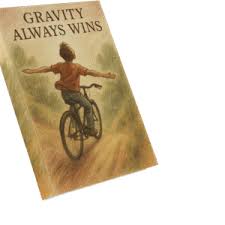
The Weight of Life Beneath the Surface
In every story that feels truly alive, there’s a quiet force pulling everything back to earth — the kind of force you can’t escape, no matter how hard you try. Gravity Always Wins captures this inevitability of being human. Set against the humid Southern air and the heavy pull of memory, this novel isn’t just a tale of people — it’s a study of what happens when the soul wrestles with its own gravity. Every decision, every failure, every moment of beauty is grounded in something real and unshakable. That’s what makes this story resonate long after the last page.
The Story That Pulls You In
At its core, Gravity Always Wins is about the human struggle to rise above the past while being anchored to it. Doug Dirickson’s storytelling blends raw emotion with a poetic stillness that feels deeply personal yet universal. The novel unfolds slowly, like the fading light of an evening — exposing its characters one layer at a time. Each person in the story carries a private burden, a reminder that gravity isn’t just a physical law but an emotional one too. The tension between escape and return drives the novel forward, making it impossible to look away.
Characters Shaped by the Pull of Time
The people in Gravity Always Wins are not perfect heroes; they are weathered souls, shaped by the choices they made and the ones they couldn’t. The protagonist’s journey — torn between guilt, loss, and the faint hope of redemption — becomes a mirror for anyone who’s ever felt weighed down by the past. Supporting characters breathe life into this emotional landscape, each representing a fragment of memory, regret, or love. It’s this depth that transforms the story from fiction into something that feels lived-in, as if these characters truly exist somewhere between the lines.
A Setting That Feels Like Memory
The setting of Gravity Always Wins is not just a backdrop — it’s a living part of the story. The dusty roads, the Southern nights thick with heat, the echo of distant storms — all of it carries the pulse of nostalgia and inevitability. The environment acts as an extension of the characters’ inner lives, reflecting the beauty and decay of their world. There’s a haunting familiarity in the way the land itself seems to remember every story that has ever unfolded upon it. The sense of place gives the novel its heartbeat, grounding the emotional weight of every scene.
Themes That Resonate Beyond the Page
What makes Gravity Always Wins a modern classic isn’t just its plot — it’s the way it explores the quiet truths that define us. It reminds readers that no one truly escapes gravity — the pull of love, of consequence, of time. Whether it’s the weight of unspoken words or the gravity of loss, the novel captures how invisible forces shape our lives. It’s a reflection on the beauty of imperfection, the persistence of memory, and the inevitability of falling — and finding meaning in that fall.
The Language That Carries Emotion
Doug Dirickson writes with precision and tenderness, crafting sentences that feel like confessions. His language lingers, heavy with emotion but never excessive. Every word in Gravity Always Wins seems chosen for its weight — for how it lands, how it echoes. The dialogue feels unfiltered, the kind that happens late at night when honesty replaces pretense. The rhythm of his prose mirrors the slow, steady pull of gravity itself, drawing the reader deeper into the story’s emotional center.
Why Gravity Always Wins Endures
In an age of fleeting digital distractions, Gravity Always Wins stands apart as a story that demands reflection. It’s a book that asks you to slow down, to sit with its characters and feel their gravity. Readers come back to it not for answers, but for recognition — for that moment when fiction touches something undeniably true. Its timelessness comes from its honesty, its refusal to let go of what makes life both beautiful and unbearable. The novel doesn’t shout; it hums quietly, persistently, in the reader’s mind long after the final page.
The Pull You Can’t Escape
In the end, Gravity Always Wins isn’t about defeat — it’s about acceptance. The title reminds us that everything eventually returns to the ground, to truth, to self. It’s a meditation on falling, yes, but also on what we find when we stop resisting. That is the quiet brilliance of this modern classic. It doesn’t promise escape; it offers understanding. And in that understanding, it gives readers something rare — the comfort of knowing that to fall is simply to be human.


