
Your home’s foundation is its backbone, quietly bearing the weight of your life above it. Yet, nothing tests its strength like water. A small leak today can turn into mold, cracks, and costly structural damage tomorrow. That’s why understanding and investing in proper basement waterproofing isn’t just maintenance — it’s home protection at its finest.
In this guide, we’ll explore the different waterproofing methods, their pros and cons, and how to choose the one that fits your home’s unique needs and environment.
Why Basement Waterproofing Is Crucial for Every Homeowner
Water intrusion may start small — a damp smell, slight discoloration, or a trickle during heavy rains. But behind that minor inconvenience lies a potential cascade of damage.
Here’s what can happen if you ignore moisture in your basement:
- Structural damage: Continuous exposure to water weakens concrete, leading to cracks and bowing walls.
- Health risks: Damp basements breed mold and mildew, which can cause respiratory problems.
- Property devaluation: Buyers shy away from homes with moisture issues.
- Electrical hazards: Water and electricity are a dangerous mix, especially around wiring or appliances.
A dry basement isn’t just about comfort — it’s about protecting your investment and ensuring long-term stability.
Common Causes of Basement Water Problems
Before you pick a waterproofing method, it’s vital to understand where the water is coming from. The right solution depends on the cause.
1. Poor Drainage Around the Home
If your yard slopes toward the house or gutters overflow, water collects near the foundation, eventually seeping inside.
2. Foundation Cracks
Tiny cracks may not seem alarming, but under hydrostatic pressure, they become major leaks.
3. Faulty Plumbing or Sump Pump Failures
Leaks from interior plumbing or an overloaded sump pump can flood a basement in hours.
4. High Groundwater Levels
In low-lying or water-prone areas, groundwater exerts pressure on basement walls, forcing moisture through even well-sealed concrete.
Understanding these sources will help you choose the method that tackles the root cause — not just the symptoms.
Different Types of Basement Waterproofing Methods
There isn’t a one-size-fits-all solution when it comes to keeping basements dry. Each method has its own strengths, costs, and suitability depending on your home’s construction and moisture level.
Let’s break down the most effective ones:
1. Interior Basement Waterproofing Systems
When you’re dealing with moisture that’s already entered the basement, interior solutions are your first line of defense.
Interior Sealants and Coatings
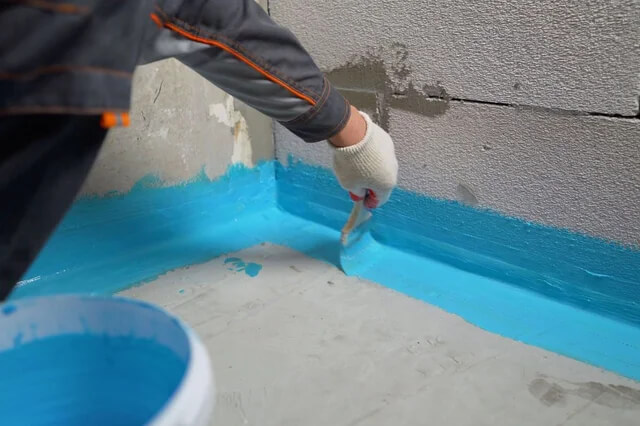
These are waterproof paints or epoxy-based sealants applied to interior walls and floors. They block small leaks and vapor seepage.
Pros:
- Budget-friendly and easy to apply.
- Great for mild dampness or condensation issues.
Cons:
- Temporary fix.
- Doesn’t stop water at its source.
Best for: Homes with light moisture or condensation but no flooding.
Interior Drainage Systems
Also called “French drains” or “perimeter drains,” these systems collect water entering through walls or floors and redirect it to a sump pump.
Pros:
- Highly effective for consistent leakage.
- Works even in homes with high groundwater levels.
Cons:
- Requires breaking the basement floor for installation.
- Professional installation needed.
Best for: Homes with frequent leaks or water pooling inside.
2. Exterior Basement Waterproofing Solutions
Exterior waterproofing is the most comprehensive — and often the most permanent — way to keep your basement dry. It targets the root cause by keeping water from reaching your walls in the first place.
Foundation Excavation and Waterproof Membranes
This method involves digging around the foundation, cleaning the walls, repairing cracks, and applying a waterproof membrane or coating.
Pros:
- Long-lasting protection.
- Stops water before it enters the structure.
Cons:
- Costly and labor-intensive.
- May require landscaping restoration afterward.
Best for: New constructions or severe, recurring water problems.
Exterior Drain Tile Systems
Installed along the foundation’s perimeter, these systems collect groundwater and divert it away from the structure.
Pros:
- Prevents hydrostatic pressure buildup.
- Protects both the foundation and basement.
Cons:
- Requires heavy excavation.
- Higher upfront investment.
Best for: Homes with persistent water issues or poor soil drainage.
3. Sump Pump Installation
A sump pump is your basement’s unsung hero — a small but powerful device that collects and pumps out water before it floods the floor.
Pros:
- Prevents flooding during heavy rainfall.
- Can be combined with drainage systems for full protection.
Cons:
- Needs regular maintenance.
- Dependent on electricity (backup battery recommended).
Best for: Homes in flood-prone or low-lying areas.
4. Crack Injection Waterproofing
Ideal for concrete foundations with visible cracks, this technique uses polyurethane or epoxy resins injected directly into cracks to seal them from within.
Pros:
- Fast and non-invasive.
- Long-lasting for small leaks.
Cons:
- Not suitable for major structural damage.
- Must be done by professionals for precision.
Best for: Targeted repairs and early-stage water infiltration.
5. Drainage and Grading Improvements
Sometimes, the most effective solutions are outside — quite literally. Proper yard grading and drainage management can prevent most basement issues.
Techniques include:
- Regrading soil to slope away from the foundation.
- Extending downspouts at least 6 feet from the home.
- Installing gutter guards to prevent clogging.
Pros:
- Low-cost preventive approach.
- Reduces long-term risk.
Cons:
- Doesn’t help existing leaks.
- Requires ongoing maintenance.
Best for: Preventing new water problems and complementing other waterproofing methods.
How to Choose the Right Basement Waterproofing Method for Your Home
Not all basements — or their problems — are created equal. Here’s a step-by-step approach to choosing the most effective method.
1. Identify the Source of Moisture
Is the water coming through cracks, the floor, or condensation? The source determines whether you need interior or exterior solutions.
2. Evaluate the Severity
- Mild dampness: Sealants or dehumidifiers might be enough.
- Frequent leaks or puddles: Drainage systems and sump pumps are better choices.
- Chronic flooding or wall seepage: Opt for exterior waterproofing.
3. Consider Your Budget and Timeline
Interior methods are generally cheaper and quicker to install, while exterior methods are costlier but longer-lasting.
4. Think Long-Term
A quick fix might save money now, but investing in a permanent solution can save thousands later.
5. Consult Professionals
A waterproofing expert can inspect your foundation, soil type, and water table to recommend a tailored solution.
Cost Breakdown of Basement Waterproofing Options
Here’s a general idea of what different waterproofing methods might cost in India:
| Method | Estimated Cost (₹) | Lifespan |
| Interior Sealants | 5,000 – 15,000 | 1–3 years |
| Crack Injection | 10,000 – 30,000 | 5–10 years |
| Interior Drainage System | 40,000 – 1,00,000 | 10–20 years |
| Sump Pump System | 30,000 – 80,000 | 10+ years |
| Exterior Waterproofing | 1,00,000 – 3,00,000 | 20–25 years |
Note: Prices vary by city, foundation type, and severity of damage.
Maintenance Tips After Waterproofing
Waterproofing isn’t a one-and-done job. Ongoing care keeps your system working efficiently.
- Inspect sump pumps before every monsoon.
- Clean gutters and downspouts regularly.
- Reapply sealants every few years if you used interior coatings.
- Monitor walls and floors for new cracks or damp spots.
- Keep basement humidity below 50%.
Regular maintenance ensures your waterproofing investment continues to protect your home for decades.
Eco-Friendly Basement Waterproofing Alternatives
Environmentally conscious homeowners have several sustainable options today:
- Water-based, low-VOC coatings instead of solvent-based sealants.
- Recycled rubber membranes for exterior waterproofing.
- Permeable pavers and rain gardens to reduce runoff pressure near foundations.
These methods safeguard your home while keeping your environmental footprint low.
Frequently Asked Questions (FAQs)
1. How long do waterproofing systems last?
Depending on materials and installation quality, they can last anywhere from 10 to 25 years, sometimes longer with proper upkeep.
2. Should I waterproof from the inside or outside?
For long-term protection, exterior waterproofing is best. But if excavation isn’t feasible, interior solutions can effectively manage moisture.
3. Can I waterproof my basement myself?
Minor cracks and sealant applications are DIY-friendly. For serious leaks or structural damage, always hire professionals.
4. Is basement waterproofing worth the cost?
Yes — it not only protects your property but also enhances air quality, prevents health risks, and increases resale value.
5. When is the best time to waterproof?
Dry months (before monsoon) are ideal since conditions are easier for surface preparation and curing.
Emerging Innovations in Basement Waterproofing
The waterproofing industry is evolving fast. New technologies like smart moisture sensors and AI-driven leak detection systems are changing how homeowners monitor basements. These tools can alert you to humidity changes or leaks in real-time — long before damage occurs.
Nanotechnology-based coatings and self-healing concrete are also being developed to make foundations more resilient than ever.
Conclusion: Protecting Your Home Starts Below Ground
Water may be life-giving, but when it seeps into your foundation, it becomes a silent destroyer. The right basement waterproofing method depends on your home’s design, soil type, and water exposure — but the goal remains the same: long-lasting protection and peace of mind.
A dry, healthy basement means a strong foundation — for your home and your future. Don’t wait for leaks to dictate your next move; take charge today and safeguard your space from the ground up.


