
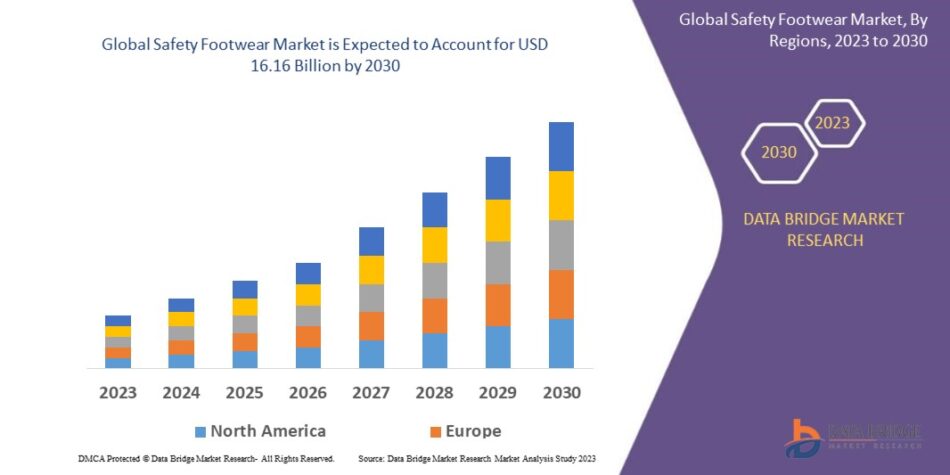
The Safety Footwear Market is growing fast as industries place greater focus on worker protection, comfort, and long-term durability. Safety shoes are no longer basic protective gear. Today, they combine advanced technology, ergonomic comfort, and modern design. Industries such as construction, manufacturing, mining, oil and gas, logistics, and chemicals use safety footwear to reduce workplace injuries and follow strict safety regulations. As businesses expand and safety rules become stronger, the demand for high-performance safety footwear keeps increasing. This article explores the growth drivers, market structure, major trends, challenges, and the future outlook of the Safety Footwear Market.
Introduction
Safety footwear plays a key role in protecting workers from slips, falls, electrical hazards, heavy objects, and chemical exposure. It supports workplace safety programs and prevents common accidents. For many industries, protective footwear is mandatory under regulatory standards. Because of this, the global market is experiencing steady growth.
Today’s workers expect footwear that offers safety without sacrificing comfort. This shift is driving innovation in materials, design, and technology. Companies now offer lightweight, breathable, and stylish safety shoes that combine performance with a better wearing experience. As the workforce becomes more diverse, manufacturers also focus on gender-specific designs and size variations.
Market Overview
The Safety Footwear Market includes a wide range of products that protect the feet from mechanical, electrical, thermal, and chemical hazards. Manufacturers produce different safety shoes for different use cases. The market serves heavy industries, commercial sectors, and even consumer outdoor activities.
Production includes several safety categories such as steel-toe shoes, composite-toe shoes, metatarsal boots, puncture-resistant footwear, slip-resistant shoes, and electrical hazard footwear. While traditional steel-toe shoes remain popular, composite materials are becoming more preferred due to their lighter weight and non-metallic composition.
Key Market Segments
The market divides into different product categories:
-
Steel Toe Footwear
This is the most common category. It protects against falling objects and compression and is widely used in construction and manufacturing. -
Composite Toe Footwear
These shoes use materials such as Kevlar, fiberglass, or carbon fiber. They are lighter, non-conductive, and suitable for electrical and security-sensitive environments. -
Metatarsal Footwear
These protect the upper foot area and are used in heavy-duty applications like mining and foundries. -
Electrical Hazard Footwear
These shoes protect workers from electric shocks. They are essential in electrical, electronics, and utility sectors. -
Slip-Resistant Footwear
Used widely in food processing, hospitality, healthcare, and logistics environments. -
Waterproof and Chemical-Resistant Footwear
Suitable for chemical plants, oil and gas sites, and agriculture.
Key Market Drivers
Several strong factors support the growth of the Safety Footwear Market.
Stricter Workplace Safety Regulations
Governments and industry bodies are introducing stronger safety rules to protect workers. Companies must follow these regulations, which increases demand for certified footwear. Industries face penalties for unsafe working environments, so employers invest more in protective gear.
Industrial Expansion
Construction projects, new manufacturing facilities, and infrastructure development are rising worldwide. More industries mean more workers, and more workers require safety footwear. This is a major long-term growth driver.
Rising Awareness About Worker Safety
Employees and employers both value safer workplaces today. Companies promote safety culture to reduce accidents and maintain productivity. This shift increases the use of protective equipment.
Growth of Construction and Infrastructure
Large construction activities in developing economies are creating huge demand for safety shoes. Workers need durable protection from heavy equipment, sharp objects, and unstable surfaces.
Product Innovation
Manufacturers are introducing lightweight, breathable, and fashionable safety shoes. This encourages more workers to wear them consistently. Comfort and style have become as important as safety.
Expansion of E-Commerce
Online platforms provide more choices, better pricing, and easy availability. E-commerce growth helps small and mid-sized brands reach global customers.
Market Challenges
Although the market is expanding, several challenges affect its pace.
High Competition
Many brands offer similar products, which leads to price pressure. Small manufacturers compete with global leaders, creating intense competition.
Counterfeit Products
Low-quality and fake safety shoes enter the market at cheaper prices. They fail safety tests and create risks for workers. These products also damage consumer trust.
Fluctuating Raw Material Prices
Materials like leather, rubber, and composites experience price fluctuations. This affects production costs and profit margins.
Comfort vs. Protection Balance
Some shoes offer strong protection but may be heavy or uncomfortable. Balancing comfort with high-level safety remains a challenge for manufacturers.
Regional Insights
The Safety Footwear Market shows different patterns across regions.
North America
North America has strict industrial safety regulations. Companies invest heavily in certified protective footwear. The region prefers high-quality, durable, and ergonomic designs.
Europe
Europe has a strong culture of workplace safety compliance. The demand for eco-friendly and sustainable materials is also rising. Lightweight and stylish designs are popular.
Asia-Pacific
Asia-Pacific is the fastest-growing region. Large-scale manufacturing, construction expansion, and a growing workforce fuel the market. Countries like China, India, and Vietnam drive most of the demand.
Middle East and Africa
Oil and gas industries dominate in this region. Workers require high-performance boots with advanced protection. Construction projects also support the market.
South America
Industrial expansion and infrastructure development create steady demand. Safety rules are improving, and businesses are gradually adopting certified footwear.
Trends Shaping the Future
The Safety Footwear Market continues to evolve with new advancements.
Lightweight Composite Materials
Composite-toe footwear is replacing traditional steel-toe designs. They are lighter, more comfortable, and suitable for electrical environments. Workers prefer them for long shifts.
Smart and Connected Footwear
Companies are exploring sensors, pressure monitoring, and fatigue tracking in safety shoes. These smart features may improve worker safety through real-time alerts.
Sustainable and Eco-Friendly Materials
Brands now use recycled rubber, plant-based leather, and environmentally safe materials. This trend is growing among industries that prioritize sustainability.
More Stylish Designs
Workers want safety shoes that look modern. This trend encourages manufacturers to blend athletic designs with protective technology.
Increased Demand for Women’s Safety Footwear
As more women join industrial sectors, demand for gender-specific safety shoes is rising. Comfort, fit, and style are key factors in this segment.
Rise in Boot Technology
Heat-resistant soles, anti-fatigue cushioning, puncture-resistant midsoles, and advanced traction systems are now common. These innovations improve worker comfort and safety.
Competitive Landscape
The Safety Footwear Market includes global leaders, regional companies, and specialized manufacturers. Companies invest in new materials, better safety standards, and ergonomic designs. Brand reputation plays a major role because buyers prioritize safety certifications.
Manufacturers also expand through partnerships, mergers, and distribution networks. Marketing efforts highlight durability, comfort, and safety features to attract buyers from multiple industries.
Future Outlook
The Safety Footwear Market has strong long-term potential. Industrial workplaces will continue to prioritize safety. New technologies, better materials, and growing workforce numbers will support market expansion. The rise of occupational safety awareness, stricter government rules, and rapid industrial development ensure sustained growth.
Future safety shoes will be smarter, lighter, and more comfortable. Electric shock protection, chemical resistance, and heat barrier improvements will continue to evolve. E-commerce is expected to play a major role in product accessibility around the world.
Overall, the market will grow steadily as industries align with modern safety standards and adopt innovative footwear solutions.
Source: https://www.databridgemarketresearch.com/reports/global-safety-footwear-market
Conclusion
The Safety Footwear Market continues to expand because companies want safer and more productive workplaces. Strict safety rules, industrial growth, and rising awareness push the demand for high-quality protective footwear. Innovations such as composite materials, smart features, and eco-friendly designs are shaping the future. Although challenges like competition and counterfeit products exist, the market remains strong and promising. Safety footwear will continue to be a critical part of workplace safety across all major industries.


